Photo: Vadim Indeikin, CC BY-SA 3.0
Beregovoe Sanatorium Park
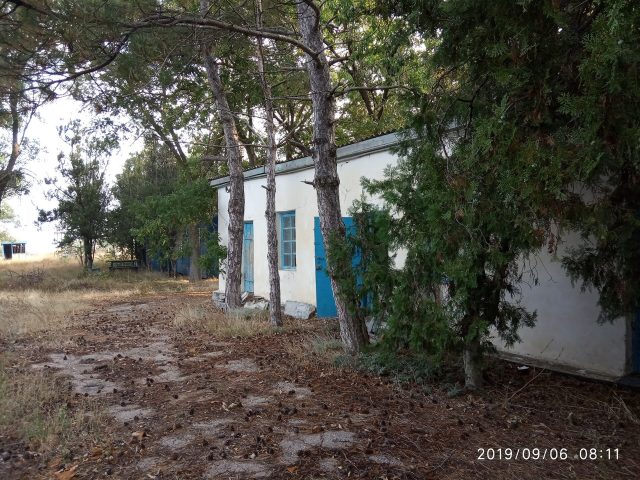
out of 5 0 ratingsNestled along the Black Sea coast, the park surrounding the Beregovoe sanatorium is a place where time moves differently. Decades-old trees stretch their branches wide, casting shade over winding paths even on the hottest afternoons. The air carries the scent of saltwater and pine, mingling with something unspoken—perhaps the weight of years beneath these leaves.
The sanatorium was built during the Soviet era, when Crimea was the country’s premier holiday destination. These resorts were designed as spaces where architecture and nature worked together to heal. The park was part of that vision—its quiet walkways, benches beneath the trees, and glimpses of the sea were meant to soothe. Though the sanatorium has changed, the park still serves its original purpose. It remains peaceful, slightly removed from modern life.
The main avenue leads from the entrance down to the shore. Along the way, small details stand out. Old-fashioned streetlamps with wrought-iron grilles still line the path, their design hinting at a time when people strolled here in long dresses. Stone benches, worn smooth by years of use, remain sturdy. Occasionally, fragments of mosaic murals peek through the foliage—remnants of an era when art was part of everyday life. These touches give the park its character.
The trees here tell their own story. Native species grow alongside exotic plants introduced long ago. Palms stand beside firs, magnolias bloom near ancient oaks. The result is a landscape that feels timeless. In summer, the dense canopy keeps the air cool. In autumn, the leaves turn gold and russet, and for a moment, the past feels close.
The sea is never far away. Follow the main avenue to its end, and you’ll reach the sanatorium’s narrow pebble beach, framed by breakwaters. The water is clear but chilly, even in summer. The shore is perfect for watching the sunset, when the sky turns pink and violet, and the park seems to pause.
The sanatorium still operates, though quieter than in its heyday. It attracts those seeking a retreat from city life. The park has become a public space, frequented by locals who walk, take photographs, or sit with a book. Occasionally, small concerts or exhibitions are held here. Most of the time, the park is hushed—the murmur of waves, the whisper of leaves, the occasional voice.
What’s striking is how little has changed. New paths have been added, a few benches replaced, but the atmosphere remains the same. That’s rare for a seaside destination, where development often erases the past. Here, the spirit of the Soviet-era resort endures—a slow, unhurried kind of leisure, where the focus is on being present, surrounded by nature.
Visit in the early morning, when the air is cool and the park is empty. Dew glistens on the grass, sunlight filters through the branches, and the scent of pine and saltwater fills the air. It’s in these moments that the park’s magic becomes clear. People return not for the beaches or attractions, but for this stillness, for the chance to pause.
The park at Beregovoe doesn’t demand attention. It doesn’t need crowds or spectacle. Instead, it offers its history, its beauty, and its tranquility to those willing to slow down. Just trees, the sea, and time moving at its own pace. That’s why it lingers in the memory.
Day around this place
Where else to go on the same day
Building the day…
Where it is
44.40833, 33.89028