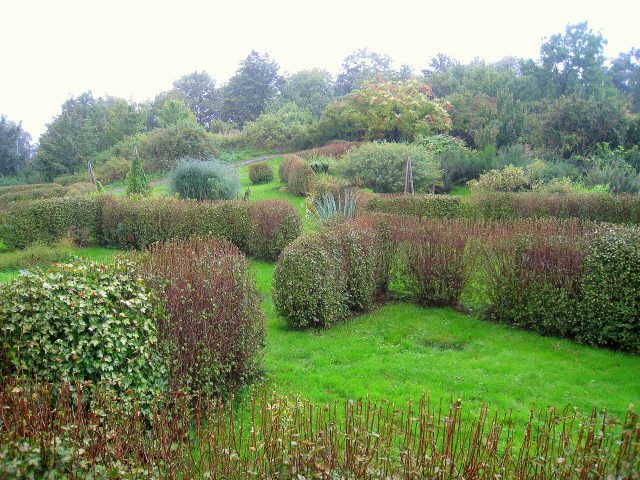
Marie Park in Trondheim is one of those quiet corners where the city’s usual hum fades into the background, leaving room for stillness. Tucked away in the heart of the old town, not far from the Nidelva River, it feels like a small green refuge amid the surrounding buildings. There are no crowds here, no flashy attractions—just wide lawns, shaded paths, and old trees that have stood since the days when Trondheim was still called Nidaros.
The park’s history is tied to the Elizabeth Convent, founded in the 13th century. Back then, this area was on the outskirts of the city, where the convent grew medicinal herbs and vegetables. Over time, the monastery lost its prominence, but the land remained a place for locals. In the 19th century, it was turned into a park and named after Mary—perhaps in honor of the convent’s legacy or simply as a nod to one of Norway’s most common female names. Today, only fragments of the old monastery’s foundation remain, but the sense of history lingers in the air.
The park’s design is understated yet thoughtful. A central path leads to a small pond, ringed by granite benches where students and retirees often sit on warm days. The lampposts along the walkways date back to the early 20th century, and a few old stone planters still hold flowers. Spring is especially lovely here, when apple and cherry trees bloom, filling the air with a light fragrance. In summer, the park becomes a cool, leafy escape from the sun, with centuries-old linden trees offering shade.
For Trondheim’s residents, Marie Park is woven into daily life. People meet here for picnics, read books, walk their dogs, or just stroll. In winter, when snow blankets the ground, the paths are cleared for cross-country skiing. In autumn, photographers and artists come to capture the golden and crimson leaves. Unlike many Norwegian parks, there are no strict rules—visitors can walk on the grass, sit anywhere, or even hold small impromptu concerts.
Though modest, the park plays a quiet role in the city’s cultural life. Every summer, it hosts open lectures, poetry readings, and small theater performances. Sometimes a temporary stage is set up, filling the air with music—classical, jazz, or something in between. Locals often call it their garden, emphasizing its unpretentious, welcoming feel. It lacks the grandeur of capital city parks but makes up for it with authenticity.
Marie Park also bridges Trondheim’s past and present. On one side, it holds traces of the medieval convent; on the other, it reflects the city’s modern rhythm. You might see young parents pushing strollers while an elderly man reads a newspaper on a nearby bench. This mix of generations and traditions gives the park a living, evolving quality, even as it remains a constant in the city’s life.
For visitors, the park isn’t so much a tourist attraction as a place to experience the real Trondheim. There are no souvenir shops or overpriced cafés—just a chance to see how locals live. A small kiosk near the entrance sells coffee and pastries, perfect for enjoying on a bench by the river. Or you can wander the paths, listening to the rustle of leaves and the distant sounds of the city.
In recent years, a few subtle additions have blended into the park’s historic character. Modern sculptures by local artists now stand near the pond, adding a touch of contemporary art without overpowering the space. Bike paths connect the park to the Nidelva waterfront, making it easy to reach by bicycle in warmer months.
Marie Park isn’t just a green space in the city center—it’s a place where history and modernity coexist naturally. It doesn’t try to impress, and that’s part of its charm. Whether you spend an hour or a whole day here, there’s always something new to notice—a vintage lamppost, a surprising view of Nidaros Cathedral, or simply the quiet pleasure of a book read under a tree. In a world that moves too fast, places like this remind us that beauty often lies in the simplest things.