Nestled on the outskirts of Trondheim, Ringve Museum feels less like a traditional museum and more like a quiet conversation with music’s past. The estate itself, once home to one of Norway’s most prominent families, has stood here since the 18th century, its sturdy oak beams and high ceilings bearing the weight of time. The building’s classical lines and large windows frame views of the Trondheim Fjord, where the light shifts with the seasons, softening the edges of the old walls. It’s a place where the air seems to hum with the echoes of melodies long played, as if the very structure remembers the music that once filled its rooms.
The collection here is one of the largest of its kind in Northern Europe, with over two thousand instruments spanning centuries and continents. You’ll find medieval lutes resting beside Baroque harpsichords, their polished wood worn smooth by generations of hands. Norwegian folk instruments like the hardingfele—a violin with extra sympathetic strings—share space with Italian master-crafted violins and early electric guitars, each with its own story. Some were played by famous musicians, others carried across oceans by immigrants, and a few still bear the marks of their last owners. The museum doesn’t just display these objects; it lets them speak, offering fragments of lives lived in rhythm and sound.
What sets Ringve apart is its insistence on making music tangible. The museum isn’t a silent archive but a living space where instruments are brought back to life. Throughout the year, concerts and workshops invite visitors to hear rare pieces performed as they were meant to be heard. In summer, the estate’s garden becomes an open-air stage, where classical and folk music drifts through the trees. Winter transforms the main hall into an intimate setting for chamber performances, the crackling fireplace adding warmth to the sound of Grieg or Mozart. These events aren’t just performances—they’re a way of bridging the gap between then and now, letting the past resonate in the present.
Norwegian musical heritage takes center stage in parts of the museum. Exhibits trace the evolution of folk traditions, from the simple kanteles played in rural homes to the langleiks that once accompanied village dances. A dedicated section honors Edvard Grieg, whose compositions are inseparable from Norway’s cultural identity. Here, you can see the composer’s own piano, its keys worn by his touch, and original scores marked with his handwritten notes. These aren’t just relics; they’re windows into the creative process, showing how Grieg wove Norwegian landscapes and melodies into his work.
The estate itself is a piece of history. The main house, built in the neoclassical style, is surrounded by a park where ancient trees cast long shadows over manicured paths. Inside, the 19th-century interiors remain largely intact, with carved furniture, faded tapestries, and portraits of the Ringve family lining the walls. Walking through these rooms, it’s easy to imagine the gatherings that once took place here—guests in formal attire, the clink of glasses, the murmur of conversation blending with the music. The museum has preserved this atmosphere, allowing visitors to step into a world where music was both art and social glue.
Beyond instruments and composers, Ringve offers a glimpse into how music shaped everyday life in Norway. One exhibit focuses on the role of music in communities—church choirs, weddings, and local festivals—showing how it adapted to different regions and eras. Another traces the country’s musical industry, from early printed sheet music to the rise of recording technology. These displays reveal music as more than just sound; it’s a thread woven through history, reflecting changes in society, technology, and identity.
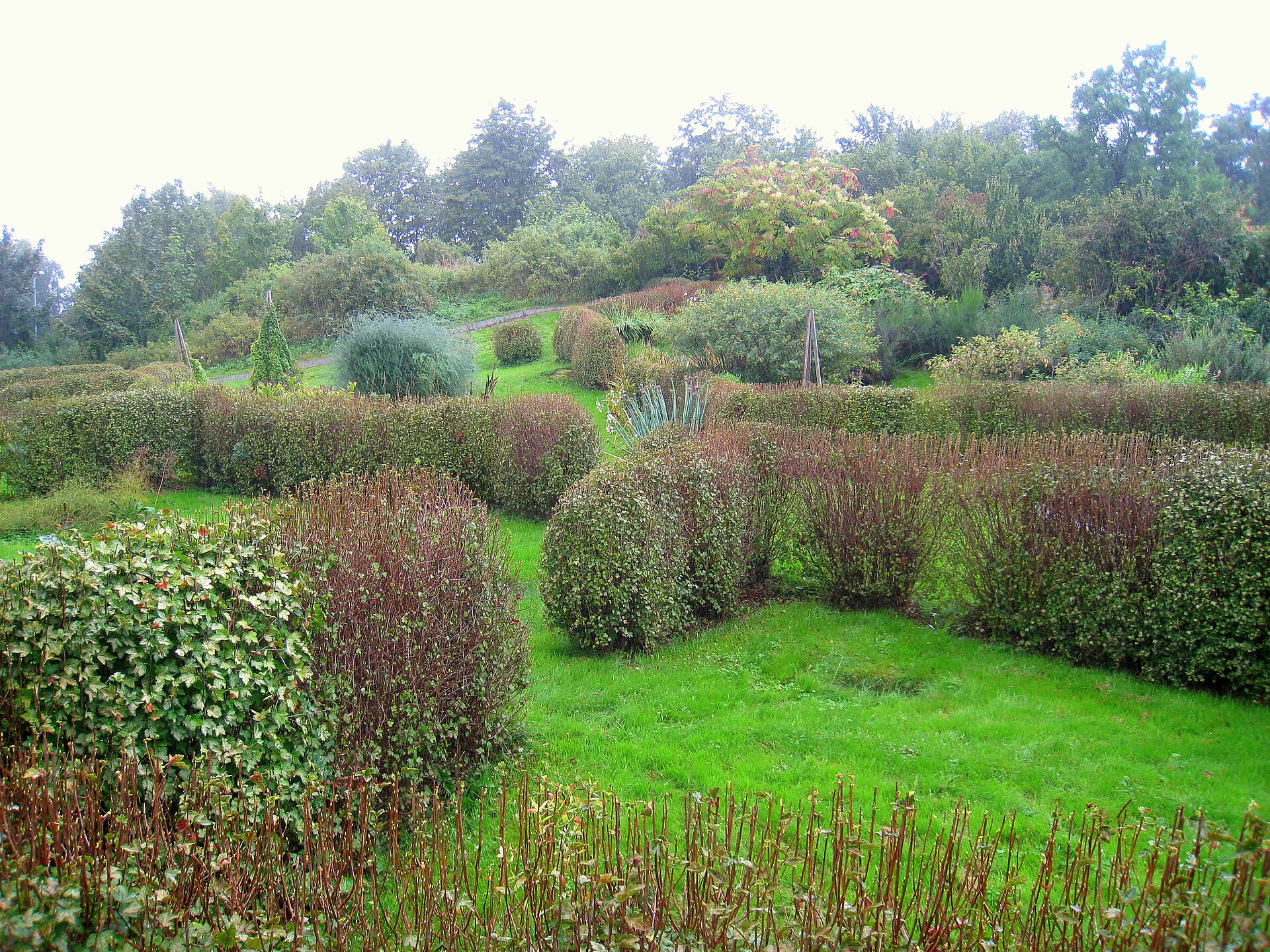
The setting alone makes a visit worthwhile. The estate sits on a hill, offering sweeping views of the fjord and the forests beyond. After exploring the exhibits, you can wander the park’s winding paths, where the scent of pine mixes with the salt air from the water. A small café on the grounds serves coffee and local pastries, a quiet spot to sit and listen to the wind in the trees. In summer, the gardens burst with roses, and the sound of birdsong competes with the distant hum of the city. It’s a place where you can pause, away from the rush of modern life, and let the surroundings sink in.
Ringve Museum isn’t just about preserving the past—it’s about keeping it alive. The instruments here aren’t just artifacts; they’re vessels of memory, each with a voice waiting to be heard. Whether it’s the delicate pluck of a harpsichord string or the deep resonance of a church organ, the museum ensures that these sounds aren’t lost to time. Visiting feels less like a history lesson and more like an invitation to listen—to the music, to the stories, and to the quiet spaces in between. It’s a reminder of how deeply sound can connect us, across centuries and cultures.