Shevchenko Park in Zalesnoye is one of those quiet corners where the city’s usual rush fades into the background, replaced by a slower, more deliberate rhythm. It stretches along the bank of a small river, in a part of town where patches of old architecture still stand and the trees seem taller, the sky wider. There are no flashy attractions or crowds here—just broad walkways, shady nooks, and an atmosphere that makes the park feel less like a public space and more like a piece of the city’s collective memory.
The park’s history is tied to the poet it’s named after, though Taras Shevchenko never set foot in Zalesnoye. His legacy, however, resonated far beyond Ukraine, inspiring communities across Russia—whether through the Ukrainian diaspora or simply those who admired his work. The park was established in the mid-20th century, a time when cities were expanding and green spaces were becoming a deliberate part of urban planning. That’s when the bronze bust of Shevchenko was installed on its granite pedestal, a focal point that still anchors the park today.
The design is unassuming but thoughtful. The walkways are paved with tiles that have softened with age, and the lampposts could have been there since Soviet times. Lining the paths are lindens, maples, and birches—trees typical of central Russia. In summer, their canopies form a dense green ceiling, while autumn turns the park into a blaze of yellow and red. Winter brings an unusual stillness, the snow muffling sounds so that even the occasional passerby moves quietly, as if reluctant to disturb the peace.
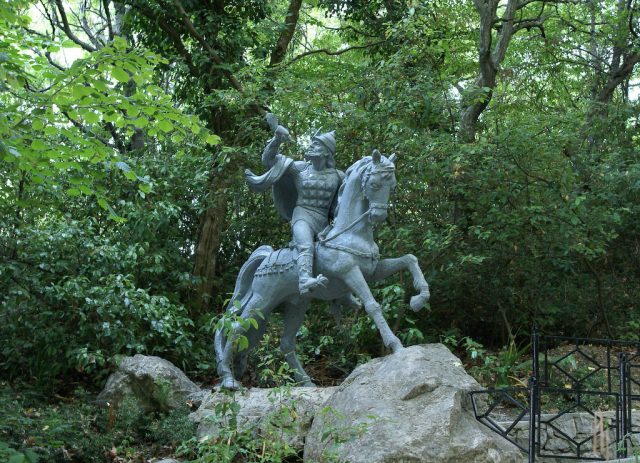
Though small, the park has a few notable spots. The most obvious is the monument to Shevchenko, but the little pond with its ducks and swans draws just as much attention. The water is still, dotted with duckweed, giving it the kind of charm you’d find in an old estate park where nature follows its own rules. Benches line the shore, and locals often come here to read or simply sit alone. Another feature is the open-air stage, where concerts and poetry readings take place in warmer months. Sometimes a local orchestra plays, filling the air with waltzes or Soviet-era songs.
For Zalesnoye, the park is more than just a place to relax—it’s a cultural hub where different generations and eras overlap. Older residents associate it with memories of youth, first dates, or picnics with friends. For younger people, it’s a space for walks, jogs, or meetups. Families bring their children here, and in winter, the slopes become makeshift sledding hills. On weekends, the park comes alive—some come with thermoses of tea, others just to stroll and breathe in the air.
The park is especially lovely in the off-seasons, when the city hasn’t yet slipped into summer’s hustle or has already cooled down after it. Spring arrives gradually: first with patches of thawed ground, then swelling buds, and finally the scent of blooming lindens filling the air. Autumn, though, is when the park truly shines—trees blaze in shades of gold and crimson, and the air turns crisp and clear. On days like these, the park feels particularly inviting, a place to wander without keeping track of time.
Despite bearing Shevchenko’s name, the park isn’t a pilgrimage site for his admirers. There’s no museum or plaque with quotes from his poems. The monument feels more like a nod to tradition than an attempt to create a shrine. That might be why the park has retained its natural, unforced character—it doesn’t try to be anything more than it is. It’s simply a good place to walk, to rest, to let your mind wander.
Over the years, the park has seen small changes—new benches, repaired paths, the occasional young tree planted. But overall, it remains much as it was decades ago: quiet, green, and a little old-fashioned. That’s perhaps its greatest charm. It doesn’t chase trends or try to be cutting-edge. It just exists, a steady presence in the city, a place to pause and think your own thoughts.