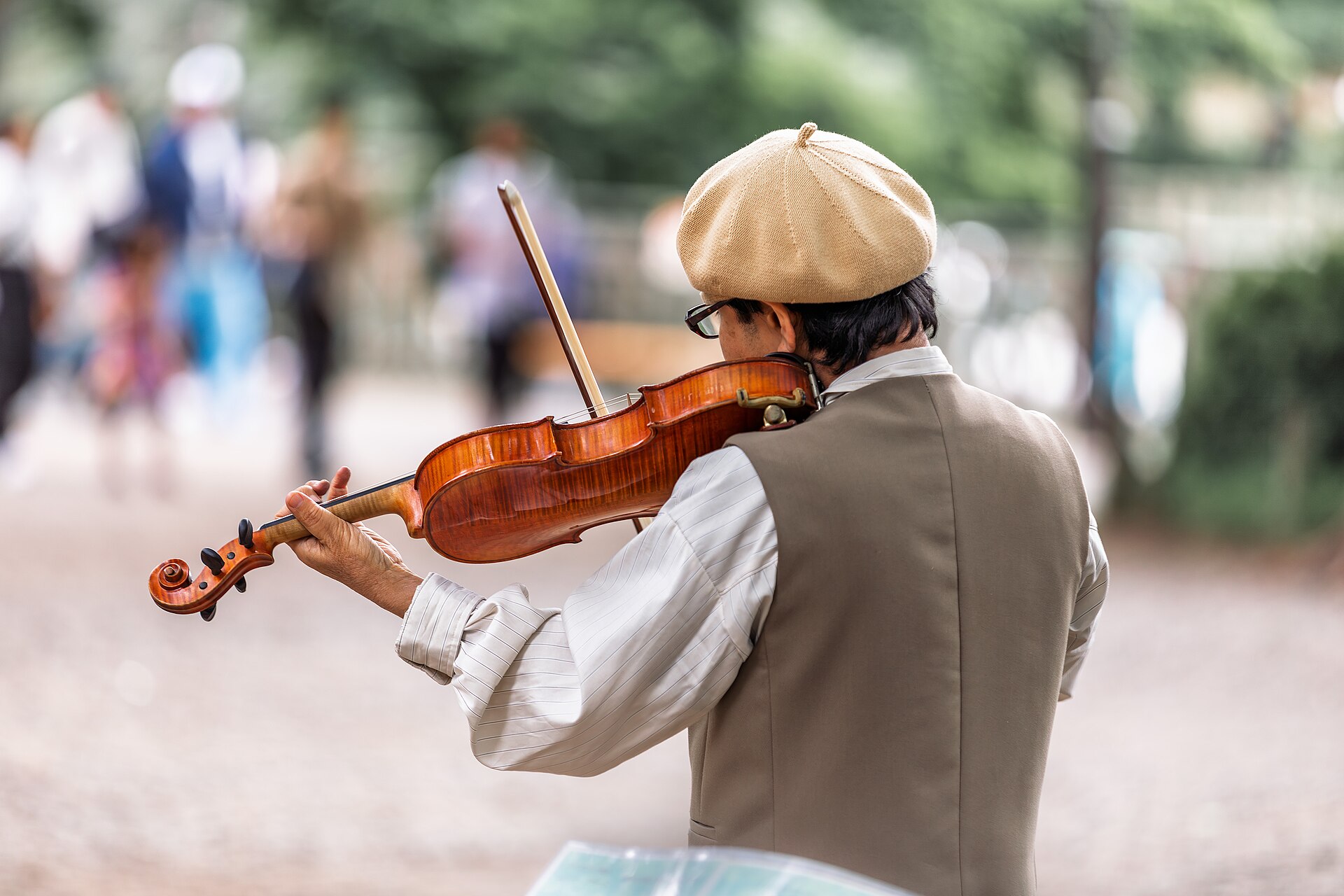
Inokashira Park is one of Tokyo’s few places where people come not for landmarks but to exist in a space that feels apart from the city. Unlike Shinjuku or Shibuya, it offers quiet corners where leaves rustle and water laps against the shore. The park spans Mitaka and Kichijoji, open to the public since 1917 when the land was bought and turned into a breathing space for the city. At its center lies Inokashira Pond, a shallow, reed-lined body of water.
The pond’s surface is often dotted with duckweed, softening the water’s green hue. In warmer months, you can rent a boat—wooden rowboats or bright pedal-powered ones—and drift beneath willows that droop over the banks. Paths follow the water’s edge, offering walks through cherry blossoms in spring, fiery maples in autumn, or winter’s stark stillness. Ducks and herons appear often, and if you’re patient, a kingfisher might dart between the reeds.
Beyond its natural appeal, Inokashira Park holds cultural weight. The Ghibli Museum, tucked among the trees, feels like a scene from a Miyazaki film. Its low-slung, whimsical design includes a spiral staircase and stained-glass windows that catch the light. Inside, sketches, models, and interactive exhibits reveal how Studio Ghibli’s films are made. A small theater screens exclusive shorts, and the café serves dishes inspired by the studio’s movies, like *Spirited Away*’s pumpkin soup.
A Shinto shrine dedicated to Benzaiten, goddess of music and fortune, sits near the pond. Its torii gate and stone lanterns hide among the trees, drawing those who seek quiet. The path to it crosses a narrow stream, and the air cools as if the city’s noise stays at the park’s edge. People write wishes on ema plaques or sit on benches, watching light filter through leaves.
On weekends, the park fills with movement. Yoga groups spread out on the grass, joggers loop the paths, and cyclists weave between them. The northern end has sports fields, while near Kichijoji Station, food stalls sell takoyaki—octopus-filled dough balls cooked fresh. Summer brings open-air concerts; winter lights string the trees into a glittering canopy. The park feels like a shared space, a place to slow down.
Mornings here are cool and damp, mist rising from the pond. By afternoon, children feed ducks, students read on benches, and elderly men play shogi under pavilions. Evening thins the crowds, leaving only distant café chatter and the occasional splash of a fish. Lanterns cast long reflections, and for a moment, the city’s pace feels distant.
Inokashira Park doesn’t impose order. No grand boulevards like Ueno or manicured hills like Yoyogi—just paths that meander with the land. It feels wild in places, as if it grew this way naturally. That’s why locals love it: a place to sit under a ginkgo and forget the metropolis around you. For visitors, it’s a chance to see Tokyo differently—where time slows and the city’s frenzy fades.