Ibirapuera Park is one of those rare places in São Paulo where the city’s relentless energy suddenly softens. Here, sprawling across more than a square mile of green, the park offers a quiet escape from the towering buildings and ceaseless motion of South America’s largest metropolis. Locals call it simply "Ibi," a nickname that carries the warmth of something familiar, almost like a second home. It’s not just an urban decoration—it’s a breathing space, a place where the city’s pulse slows just enough to let you catch your own.
The park’s origins trace back to the mid-20th century, when city planners envisioned transforming a marshy, neglected area into a grand public space. The project was ambitious, designed not just as a park but as a cultural and recreational hub. By the time it opened in 1954, timed to celebrate São Paulo’s 400th anniversary, Ibirapuera had already become more than just landscaped gardens. It was a statement—a modern, forward-looking space where art, sport, and nature could coexist. Over the decades, it has grown into a living part of the city, hosting everything from open-air concerts to political rallies, its paths worn smooth by generations of visitors.
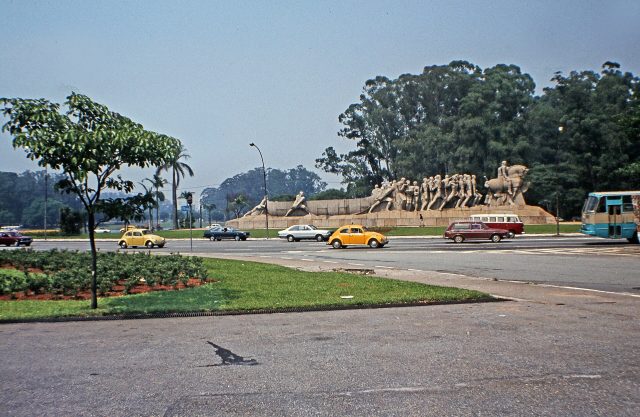
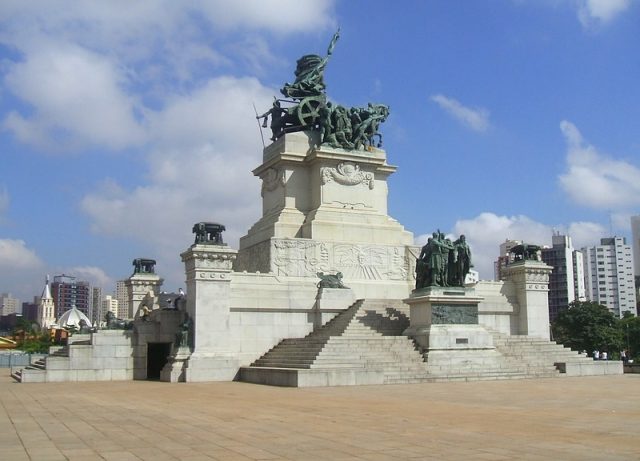
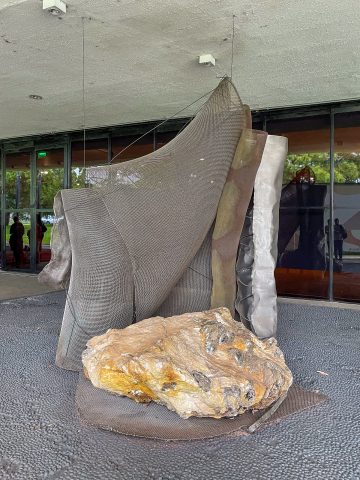
The architecture of Ibirapuera is a blend of styles, each telling a different story. The main gates, designed by Oscar Niemeyer, set the tone with their sweeping curves and minimalist elegance. Inside, the park unfolds in layers: modernist pavilions stand beside arched bridges, while fountains and ponds reflect the sky. One of the most striking features is the Obelisk of São Paulo, a towering monument commemorating the 1932 Constitutionalist Revolution. It’s a reminder that the park isn’t just a green space—it’s a place where history and daily life intersect.
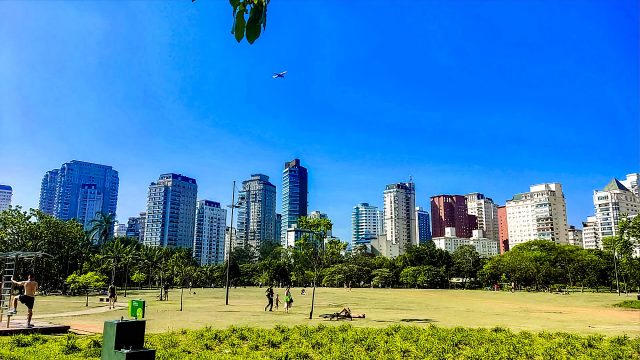
But Ibirapuera is as much about nature as it is about design. Hundreds of tree species, many planted during the park’s early years, create a dense canopy that shelters birds and small animals. Along the lakes, ducks glide across the water, and if you’re lucky, you might spot a turtle basking on the banks. On weekends, the park comes alive with families, cyclists, joggers, and groups sprawled on the grass with picnics. In the summer, the shade of the trees offers relief from the heat, while the water’s edge becomes a gathering spot for those seeking a moment of cool stillness.
The park has a rhythm of its own, shifting with the hours. Early mornings belong to those practicing yoga or tai chi, their movements slow and deliberate against the backdrop of waking trees. By midday, the paths fill with runners and skaters, while the afternoon brings a mix of students, office workers on lunch breaks, and musicians tuning their guitars. As evening falls, the park transforms again—lights flicker on, music drifts from open-air stages, and groups of friends gather under the stars. Even in winter, when the trees stand bare and the air turns crisp, Ibirapuera retains its quiet charm, the open spaces feeling even more expansive.
It’s also a place where cultures collide and coexist. You might stumble upon a samba group rehearsing for Carnival, their drums echoing through the trees, or a guitarist playing bossa nova under the shade of a fig tree. The Japanese garden, with its carefully raked gravel and serene ponds, often hosts tea ceremonies, while the pavilions showcase everything from contemporary art to local crafts. In many ways, the park mirrors São Paulo itself—a city where tradition and innovation, noise and silence, all find their place.
For many Paulistanos, Ibirapuera is more than just a park; it’s a chapter in their personal stories. Some remember childhood visits with parents, others recall first dates under the trees or moments of solitude when the city felt overwhelming. There are no extravagant fountains or exotic plants here, just the simple, enduring comfort of open space. It’s one of the few places in the city where you can feel a sense of freedom, where the weight of urban life lifts, if only for a little while.
Of course, Ibirapuera isn’t perfect. On busy days, you might find litter along the paths, and after heavy rain, some areas turn muddy. But these small flaws don’t diminish its appeal. The park is alive, imperfect, and ever-changing—just like the city around it. Whether you’re a visitor or a local, it offers something for everyone: a quiet bench for reflection, a lively spot for a gathering, or just a patch of green in the middle of concrete. No matter how many times you return, it always feels like coming back to a place that’s somehow both familiar and new.