Heritage Quay isn’t just a waterfront stretch in St. John’s—it’s where the city’s past and present meet in the most unassuming way. Tucked along the harbor, this promenade and park area feels like a quiet pause in the middle of Antigua’s bustling capital. The name itself hints at its purpose: a place meant to preserve and celebrate the island’s layered history, though it does so without grand monuments or overt fanfare. Instead, Heritage Quay unfolds as a series of open spaces, shaded benches, and pathways that invite you to wander rather than rush.
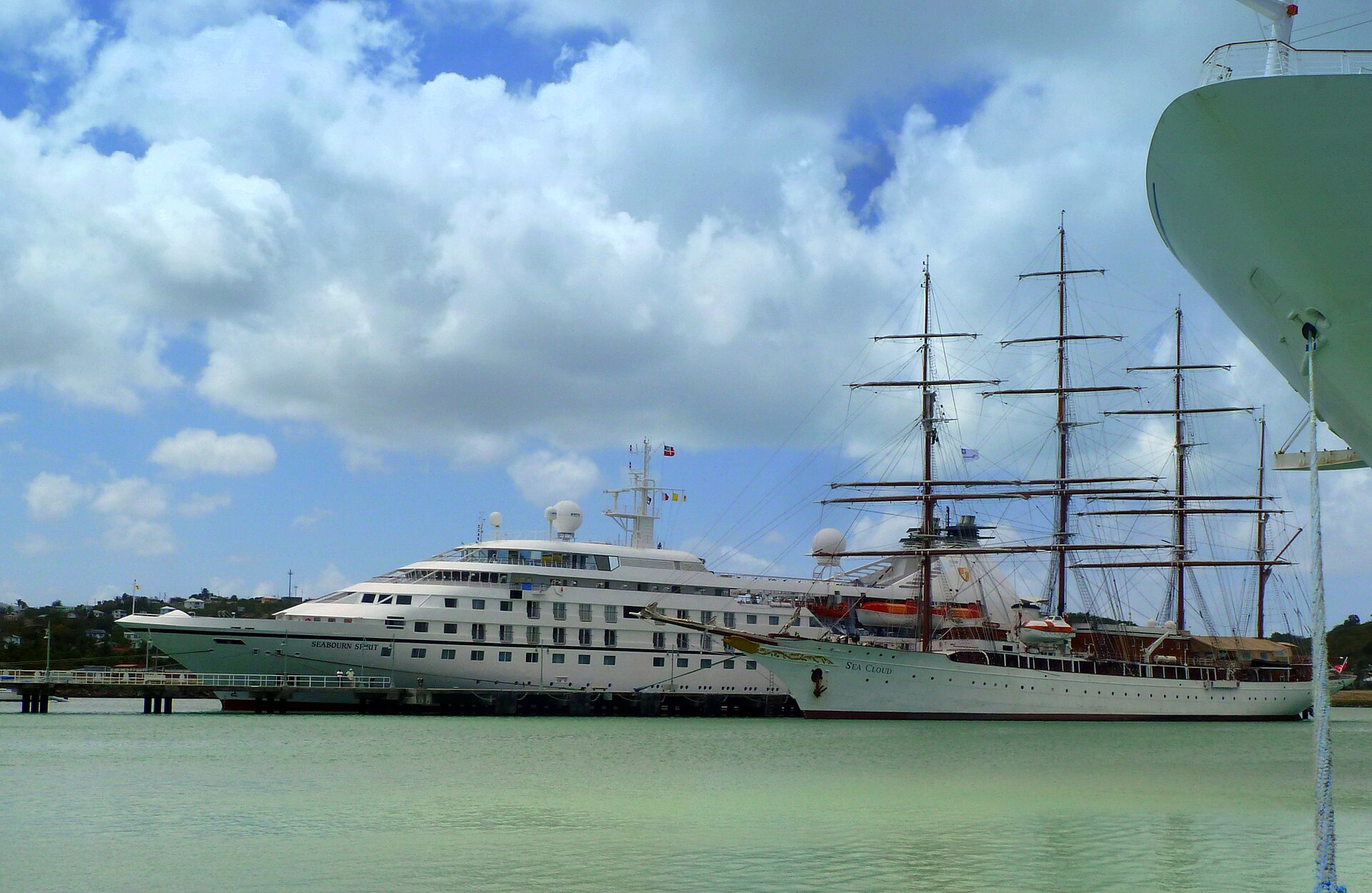
The harbor has always been the heart of St. John’s, and Heritage Quay sits at its most accessible point. For centuries, this stretch of coastline was a working port, where schooners and fishing boats unloaded their catches and merchants traded goods from across the Caribbean and beyond. The warehouses that once lined the waterfront have long since been repurposed or replaced, but the area still carries the echoes of that maritime past. Today, the harbor is calmer, dotted with sleek yachts and the occasional cruise ship, but the rhythm of the tides and the salt in the air remain unchanged.
What makes Heritage Quay distinct is its role as a gathering place. Locals come here to escape the heat under the shade of almond trees, while visitors often find themselves drawn to the small craft stalls that line the promenade. These aren’t the polished tourist shops you’ll find elsewhere in the city—they’re modest setups where artisans sell handmade jewelry, straw hats, and locally woven baskets. The atmosphere is relaxed, almost like a neighborhood market rather than a commercial hub. On weekends, the area hums with activity as families stroll along the water, stopping to watch the boats or grab a bite from one of the food vendors.
The architecture around Heritage Quay is a mix of old and new, though not in the way you might expect. There are no grand colonial buildings or historic landmarks here—instead, the area is defined by its utilitarian charm. The low-slung warehouses and modern cruise terminal blend seamlessly with the open-air pavilions and landscaped gardens. The most striking feature is the way the space opens up to the water, offering unobstructed views of the harbor and the distant hills. At sunset, the light softens the concrete and steel, turning the whole scene into something almost picturesque.
Heritage Quay also serves as a gateway to other parts of St. John’s. From here, you can easily walk to the bustling streets of the city center, where the markets and shops offer a more chaotic but equally authentic experience. The nearby Redcliffe Quay, with its cobblestone paths and restored 18th-century buildings, provides a stark contrast to Heritage Quay’s modern simplicity. Together, the two areas paint a fuller picture of the city—one that balances history with the everyday life of its people.
For all its understated appeal, Heritage Quay isn’t without its contradictions. It’s a place where the island’s colonial past and its present as a tourist destination overlap, sometimes uneasily. The cruise ships that dock nearby bring thousands of visitors each year, and while they inject life into the local economy, they also change the character of the place. Yet, even on the busiest days, Heritage Quay retains a sense of calm. The locals who come here to fish, chat, or simply watch the water go by remind you that this is still, first and foremost, a part of their city.
There’s no grand narrative here, no single story that defines Heritage Quay. Instead, it’s a place of small moments—a fisherman mending his nets, a group of children playing near the water, the sound of steel drums drifting from a nearby bar. It’s the kind of spot where history isn’t preserved in plaques or museums but in the way people use the space. If you’re looking for Antigua’s soul, you might not find it in the glossy resorts or the postcard-perfect beaches. But if you take the time to sit on one of the benches at Heritage Quay and watch the world go by, you’ll catch glimpses of it in the details.