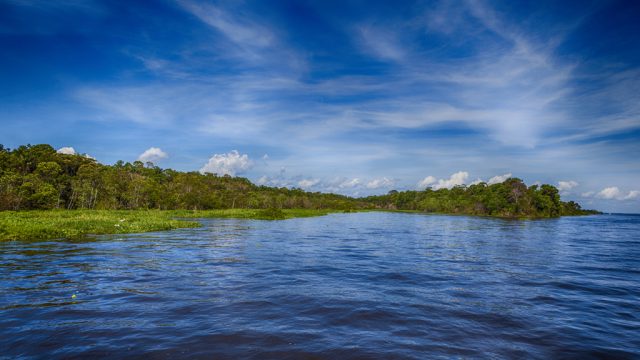
Tapajós Ecological Park is one of those rare places in Brazil where the natural world doesn’t just exist—it speaks. Tucked away near the town of Itaituba, deep in the Amazon, the park stretches along the Tapajós River, one of the Amazon’s largest tributaries. There are no crowded tourist trails here, no overbearing services, just endless forests, quiet backwaters, and the slow, deliberate rhythm of the rainforest itself. Established in the late 20th century to protect the region’s fragile ecosystems, the park remains one of the most untouched corners of the Brazilian Amazon, a place where the wild still sets the pace.
The heart of the park is its water. The Tapajós River here is wide and calm, its sandy banks transforming into vast beaches during the dry season. The water is clear, with a faint greenish tint, and while it’s safe for swimming, locals will tell you not to venture too far—the current can be deceptive. Along the shores, flooded forests called *igapó* stretch out, where trees have adapted to grow with their roots submerged. When the rains come, these areas vanish beneath the water, creating a maze of trunks and vines that seem to float on the surface.
The biodiversity here is staggering. Hundreds of plant species thrive in the park, many of them unique to the Amazon. Towering kapok trees, rubber trees, and açaí palms form a dense, layered ecosystem where every plant has its role. The animal life is just as rich: jaguars, tapirs, and giant anteaters roam the forests, while pink river dolphins and massive arapaima fish glide through the waters. Birds fill the air with constant song—scarlet macaws, toucans, and tiny hummingbirds darting between flowers. The sheer variety can feel overwhelming, as if the forest itself is alive with movement and sound.
For those who want to explore, the park offers a few ways in. The most common is a boat trip along the river, stopping at sandy beaches where guides point out jaguar tracks in the mud or bird nests high in the trees. Hiking trails wind through the forest, but straying from the path is risky—the Amazon doesn’t forgive mistakes. Some areas have lookout points with sweeping views of the river and jungle, where the scale of the landscape becomes impossible to ignore. The best experiences here aren’t about ticking off sights but about slowing down and letting the forest reveal itself.
Beyond its natural beauty, the park is also home to the Munduruku people, one of Brazil’s largest Indigenous groups. Their communities still live traditionally, fishing, hunting, and gathering in the forest, while crafting intricate handmade goods. In recent years, some have begun welcoming visitors, offering a glimpse into their way of life—sharing meals of river fish and cassava, telling stories, or even inviting outsiders to observe rituals. But these encounters aren’t tourist attractions; they’re deeply personal, requiring respect and often prior arrangement.
The park changes dramatically with the seasons. During the rainy months, from December to May, the river swells, flooding vast areas and turning the forest into a watery labyrinth where boats are the only way to move. This is when wildlife is most active, with birds and animals crowding onto higher ground to escape the rising waters. The dry season, from June to November, exposes sandy beaches and makes the forest easier to navigate, though the risk of wildfires increases with the heat. Each season offers a different face of the Amazon, equally beautiful but in entirely different ways.
Visiting the park isn’t like a typical trip. There are no hotels or restaurants, so travelers usually stay in Itaituba or small riverside villages, where locals rent out rooms or set up basic campsites. Meals are simple—freshly caught fish, cassava, bananas—prepared with whatever’s available. Electricity and phone service are unreliable, so you’re left to your own devices, quite literally. It’s a place where you learn to adapt, where the lack of modern comforts forces you to engage with your surroundings in a way that’s increasingly rare.
This isn’t a destination for a quick visit. There’s no checklist of sights to see, no rush to move on to the next attraction. The Tapajós Ecological Park is for those who want to step outside of time, to listen to the forest’s sounds and understand that the Amazon isn’t just an exotic backdrop—it’s a living, breathing ecosystem that demands respect. It’s a place where you realize how small you are in the grand scheme of things, and how much there is to lose if we don’t take care of it.