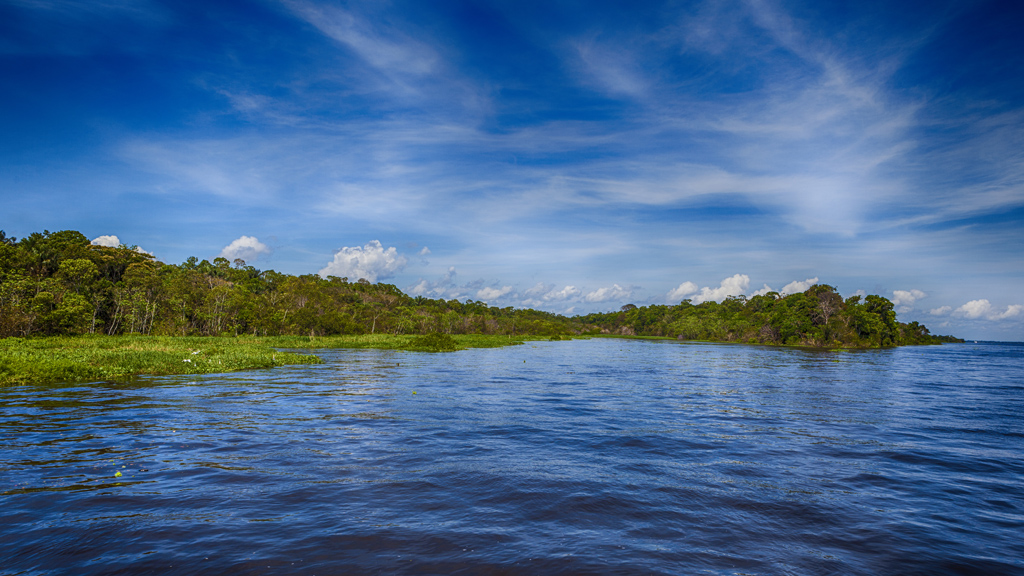
The Amazon isn’t just a place on a map. It’s a world with its own rules, a vast and untamed expanse where the air hums with life and the rhythms of nature dictate everything. Stretching across much of northern Brazil, this is the largest tropical rainforest on Earth, a living, breathing entity that shapes the climate, the people, and the very idea of what wilderness can be.
Itaituba, a small riverside town on the banks of the Tapajós, is one of the gateways into this green ocean. There are no highways here, no sprawling networks of asphalt cutting through the trees. Instead, the rivers serve as roads, winding through the forest like veins, carrying boats laden with goods, people, and stories. The town itself is modest—low-slung buildings, dusty streets, a market where the scent of fresh fish and tropical fruit mingles with the damp earth. It’s a place where life moves at the pace of the river, where the day begins when the first light touches the water and ends when the last canoe ties up for the night.
The forest is overwhelming in its scale. Trees rise like cathedral columns, their canopies so dense that sunlight barely filters through. Vines twist around trunks, and the air is thick with the chorus of unseen creatures—birds calling, monkeys chattering, the occasional splash of something breaking the surface of a distant stream. During the rainy season, the rivers swell, flooding vast areas and turning the forest into a maze of waterways. In the dry months, the water recedes, leaving behind sandy banks where caimans bask in the sun. The heat is relentless, the humidity clinging to skin, a constant reminder that this is one of the most extreme environments on the planet.
But the Amazon is more than just trees and water. It’s home to people who have lived here for millennia, their lives woven into the fabric of the forest. The Munduruku and Kayapó, among other Indigenous groups, have hunted, fished, and farmed these lands for generations. Their villages line the rivers, houses built on stilts to escape the floods, gardens carved from the jungle where cassava and other crops grow. Their knowledge of the forest is deep, passed down through stories and traditions, a way of life that has endured despite the encroachment of the modern world.
Some communities welcome visitors, offering a rare chance to see the forest through their eyes. It’s not a performance or a spectacle, though. This is their home, and respect matters more than curiosity. A visit might mean sharing a meal of freshly caught fish, learning how to navigate the river in a dugout canoe, or listening to the elders speak of the spirits that inhabit the trees and waters. There’s no script here, no guarantee of what you’ll see or experience—just the quiet understanding that you’re a guest in a place that doesn’t belong to you.
Itaituba is a hub of sorts, a place where the outside world brushes up against the forest. Boats arrive from upriver, carrying everything from fuel to medicine to the occasional tourist. The market is a riot of color and sound, where vendors sell strange fruits with names like cupuaçu and açaí, where the catch of the day might be a pirarucu, a fish so large it’s almost mythical. The town has no grand hotels or nightclubs, no polished veneer of tourism. It’s rough around the edges, a place where the river is the lifeline and the forest is always just beyond the last street.
Traveling here isn’t easy. The heat, the insects, the sheer unpredictability of life in the jungle can be daunting. There’s no escaping the fact that this is a place where nature sets the terms. But for those who come, the rewards are unlike anything else. You might spot a pink river dolphin breaking the surface of the Tapajós, its sleek body gliding through the murky water. You might wake before dawn to the sound of howler monkeys, their calls echoing through the trees like a primal alarm clock. Or you might simply sit on the riverbank at dusk, watching the sky turn from gold to violet as the forest settles into night.
The Amazon is often called the lungs of the planet, and it’s not hard to see why. Standing beneath the canopy, breathing in the thick, oxygen-rich air, it’s easy to feel as though you’re inhaling something purer than anywhere else. But the forest is also under threat. Deforestation, mining, and agriculture are eating away at its edges, erasing ecosystems and cultures that have existed for centuries. Every year, thousands of hectares vanish, taking with them species that may never be seen again.
Efforts to protect the Amazon are ongoing, led by Indigenous groups, activists, and organizations working to establish reserves and promote sustainable tourism. Visitors can play a part, too—by choosing guides who respect the land and its people, by supporting local communities, and by leaving no trace of their presence. It’s a small thing, but in a place this vast, every action matters.
There’s no real division between day and night here. The forest operates on its own time, governed by the rise and fall of the sun, the ebb and flow of the rivers. Mornings begin with the dawn chorus of birds, the air alive with their songs. By midday, the heat drives everything into stillness, the forest holding its breath until the worst of the sun passes. Evenings bring a second wave of activity, as creatures that have spent the day in hiding emerge to hunt, to feed, to call out into the dark.
Night in the Amazon is unlike anything most people have experienced. Without the glow of city lights, the darkness is absolute, the stars so bright they seem close enough to touch. On still nights, the river reflects the sky like a mirror, doubling the spectacle. Sometimes, the silence is broken by the distant roar of a jaguar, a sound that sends a shiver down the spine. Other times, it’s the flicker of fireflies dancing over the water, their tiny lights blinking like stars fallen to earth.
This is a place that doesn’t care much for human schedules or expectations. It has its own pace, its own logic, and those who come here must adapt or leave. There’s no guarantee of comfort, no promise of easy answers. But for those willing to meet the forest on its own terms, there’s a sense of connection to something ancient and enduring. It’s the feeling of being small in the best possible way, of standing in the presence of something so vast and alive that it puts everything else into perspective.
For many, the Amazon remains a distant dream, a place glimpsed in documentaries or read about in books. But those who make the journey often return with the quiet certainty that they’ve seen something rare—a world that exists almost entirely on its own terms. It’s not a place for everyone. The challenges are real, the discomforts undeniable. But for those who come, it’s a reminder of what the world can be when left to its own devices: wild, beautiful, and utterly unforgettable.