On the edge of Malawi’s capital, the city’s noise gives way to rustling leaves and bird calls. Lilongwe Wildlife Centre isn’t a zoo. There are no towering enclosures or crowds at the glass. It’s a patch of wilderness preserved as the city grew around it. Since 2007, it has been a sanctuary for animals rescued from illegal wildlife trade, habitat destruction, or injuries that left them unable to survive in the wild. Here, you can see native species up close and learn about Malawi’s fragile ecosystems.
The park spans 180 hectares of woodland and grassland, much like Malawi’s natural terrain. Vervet monkeys swing through the trees. Bushbucks step cautiously between the undergrowth. The animals move freely in large, naturalistic enclosures. Baboons and warthogs are often visible. Leopards and civets? You’ll need patience. The centre also rehabilitates birds, reptiles, and smaller mammals, releasing many back into the wild.
Education and conservation go hand in hand here. Guided tours, led by local staff, share the animals’ stories. They explain the threats—deforestation, poaching, the illegal pet trade—and how small changes in human behavior help. The centre works with communities, teaching sustainable farming, wildlife protection, and how to coexist with predators like hyenas. For many Malawians, this is their first real encounter with wildlife.
The architecture blends into the landscape. Wooden structures serve as viewing platforms or shelters. Paths wind naturally through the terrain. There’s no grand entrance, just a low gate and the sense of stepping into another world. Visits feel personal, almost like an invitation. Staff from nearby villages move quietly, checking on animals or tending gardens that feed some residents.
Malawi has lost much of its original wildlife to hunting and habitat loss. The centre is a quiet act of resistance. Founders—a mix of local conservationists and international volunteers—created a safe haven for recovery and reintroduction. It’s now a hub for research, studying primate behavior and the impact of climate change. Data collected here shapes conservation policies across the region.
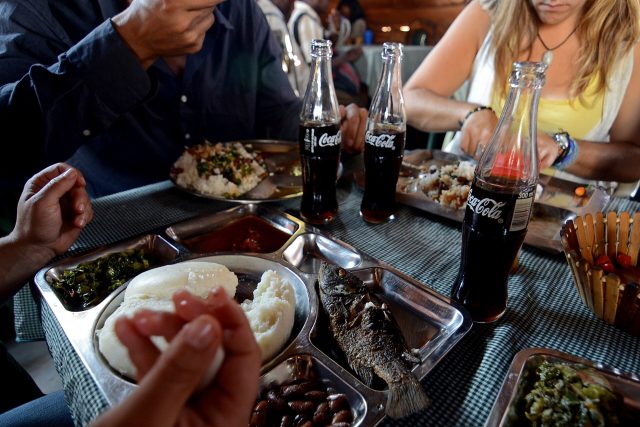
The air smells of dry grass and earth. Early mornings are best, when the light is soft and animals are active. You might see monkeys grooming by the waterhole or a monitor lizard on a rock. The café serves simple meals—tea from nearby gardens, fresh fruit, nsima with vegetables. There’s no rush.
This isn’t a place for quick photos. It’s a reminder of what Malawi’s wilderness once was and what it could be again. Some animals, like orphaned elephants or injured serval cats, will never return to the wild. Their presence helps others understand why these species matter. The centre supports anti-poaching patrols and lobbies for stronger environmental laws.
If you’re in Lilongwe, visit. Not because it’s famous, but because it offers something rare: a chance to see Malawi’s natural world without filters. Conservation feels tangible here. The line between human and wild blurs just enough to make you pause. In a country where so much has changed, that pause matters.