Bushmills Park is one of those quiet places where the past and present seem to flow together as naturally as the river that runs through it. Tucked away in the small town of the same name on Northern Ireland’s north coast, the park feels like a world apart from the usual tourist trails. There are no crowds here, just the gentle rustle of leaves, the occasional call of a bird, and the steady rhythm of the Bush River as it winds its way through the landscape. Time moves differently in places like this—slower, softer, as if the land itself is breathing.
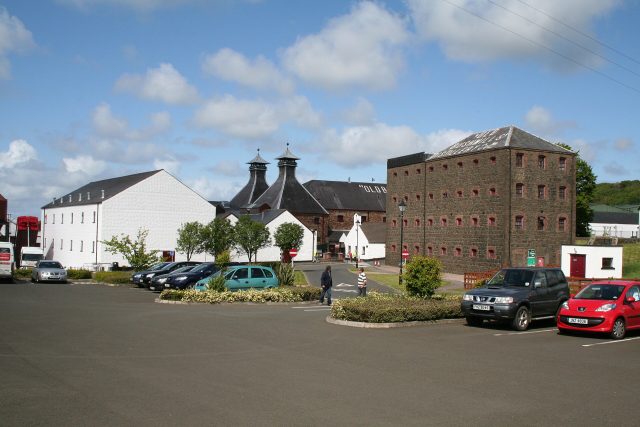
The town of Bushmills is best known for its whiskey distillery, one of the oldest licensed in the world, but the park offers a different kind of experience. Where the distillery is all about fire and craft, the park is about stillness and connection. The river here is narrow but full, its rocky bed and gentle rapids giving it a character that changes with the seasons. Paths meander along the banks, weaving between trees and opening up to views of rolling green hills and the occasional stone bridge. It’s the kind of place where you might stop without meaning to, just to watch the water or listen to the wind in the branches.
The history of the park is woven into the history of Bushmills itself. The town grew up around a mill on the Bush River, and its name—Bushmills—comes from those early days when the river powered the wheels that ground grain. The first records of the mill date back to the 17th century, though people likely settled here long before that. Over time, the river became more than just a source of energy; it was a lifeline, carrying goods, including barrels of whiskey, to and from the coast. Today, the mill is gone, but the river remains the heart of the park, a quiet witness to centuries of change.
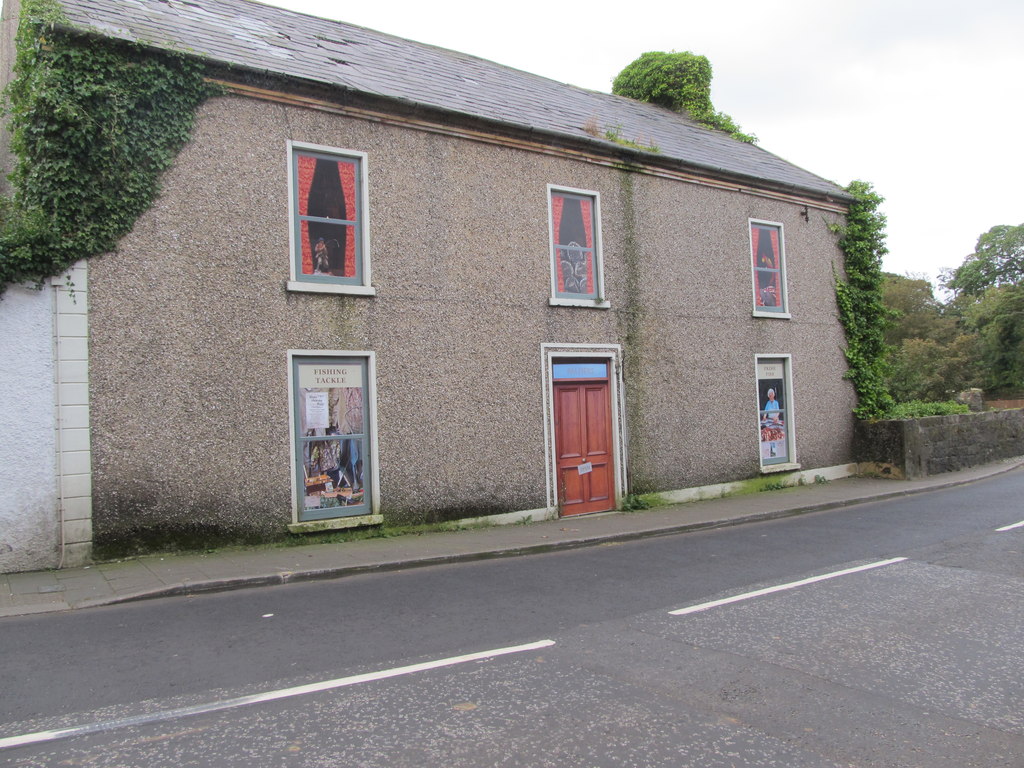
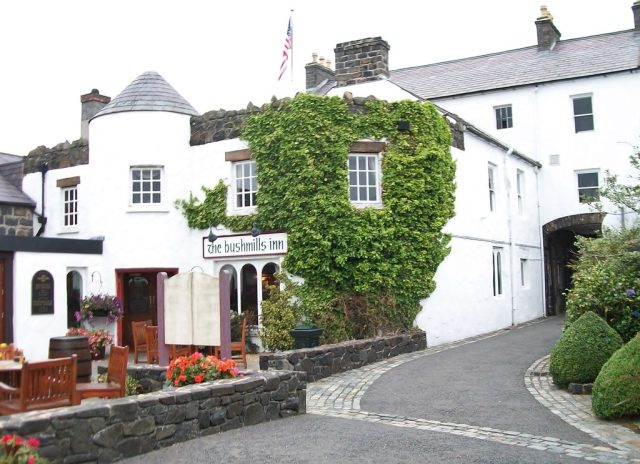
The architecture here is unassuming but fitting. The old stone bridges that cross the river look as though they’ve been standing for generations, their low arches and sturdy piers built to last. They’re not grand or ornate, just practical, the kind of structures that might once have carried carts laden with grain or whiskey casks. A few small buildings in the park are styled to match the past, but they don’t feel out of place—more like they’ve always been there. Even the modern touches, like benches or signs, are understated, blending into the landscape rather than standing out.
This isn’t a park of manicured lawns or exotic plants. Everything that grows here is native to the area—oak, ash, and alder along the riverbanks, ferns in the damp corners, wildflowers that burst into color in spring and summer. In autumn, the leaves turn gold and russet, and in winter, the river sometimes wears a veil of mist, softening the edges of the world. It’s a place that changes with the seasons but never loses its sense of calm.
For locals, the park is part of everyday life. You’ll see families walking with children, dog walkers, groups of friends picnicking on the grass, or someone sitting alone with a book by the water. On weekends, fishermen might be standing knee-deep in the river, patiently waiting for a bite, while cyclists pass by on their way to the hills beyond. There’s no rush here, no sense of performance—just people going about their day in a place that feels like home.
Despite its quiet nature, Bushmills Park holds a deeper significance. It’s a reminder of how closely human life and the natural world have always been intertwined in this part of the world. The same river that once powered mills now offers a place to pause, to step away from the noise of modern life. The old bridges and paths connect the past to the present, while the open green spaces remind you that there are still places where time doesn’t demand anything of you.
If you ever find yourself in Bushmills, don’t head straight for the distillery—though it’s well worth a visit. Take a walk through the park first. Sit by the river, watch the water move over the stones, and listen to the stories it carries. This is where you’ll get a sense of what makes Northern Ireland feel the way it does—something that’s hard to put into words but stays with you long after you’ve left.