Boyana Park is one of those rare places in Sofia where the city’s usual hum fades into something quieter. Tucked at the foot of Vitosha Mountain, it feels like a world apart, where the rhythm of life slows to match the steady breath of the forest. There are no crowds here, no bustling cafes or flashy attractions—just winding paths disappearing into the trees and air thick with the scent of pine and damp earth.
The park’s history is woven into the story of Boyana itself, a district that was once a separate village before becoming part of the capital. Centuries ago, these lands belonged to noble Bulgarian families, later serving as royal hunting grounds. Over time, the area opened to the public, yet it never lost its sense of seclusion. Today, it’s a favorite spot for locals who come to walk, picnic, or simply escape the city’s pace.
The park unfolds across several levels, each with its own character. The lower part, closer to the residential areas, is more polished—paved paths, benches, and lamplight in the evenings. But as you climb higher, the landscape grows wilder. The trails narrow, the trees close in overhead, and the sounds of the city drift away. In the upper reaches, small clearings appear, where people sometimes gather for impromptu meetings or sit with a book, undisturbed.
What makes Boyana Park special is its connection to Vitosha Mountain, which looms over it like a natural backdrop. Many of the park’s trails seamlessly transition into mountain routes, offering hikers a chance to continue their journey into the national park beyond. On clear days, a few vantage points offer glimpses of Sofia below, but more often, the view is swallowed by dense thickets or rocky slopes—a reminder that nature still holds sway here.
The park changes with the seasons. In winter, frost clings to the branches, snow muffles the paths, and the air turns crisp and still. Few people venture out, and the silence feels almost sacred. Summer brings a different energy—families spread out on the grass, runners trace their favorite routes, and the occasional sound of laughter or music drifts from a picnic. Yet Boyana never feels crowded; there’s always a quiet corner to claim as your own.
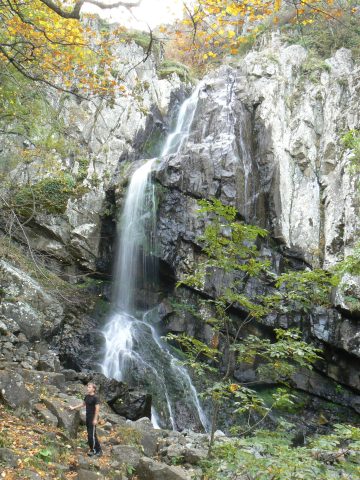
One of the park’s highlights is Boyana Waterfall, a modest but striking cascade that’s especially dramatic in spring when melting snow from Vitosha sends water tumbling down. The area around the falls stays cool, and the path leading to it winds between rocks and roots, making the short walk feel like a proper adventure. Locals often bring visitors here, proud to show off one of the most beautiful spots near the city.
Beyond its natural appeal, Boyana Park is also part of the district’s cultural fabric. Just a short walk away stands the famous Boyana Church, a UNESCO World Heritage site known for its 13th-century frescoes. Many who come to the park also stop by the church, making it a natural pairing of history and nature. The park itself acts as a bridge between the ancient and the modern, preserving a sense of the past while offering a retreat into the wild.
There are no rigid rules here, no set itineraries. People come for different reasons—some with dogs, others for photos against the autumn leaves, or simply to sit on a bench and watch the light play through the branches. Nothing feels forced or staged; the park exists as nature intended, unpolished and unhurried. That’s why it draws those who aren’t looking for entertainment, but for something real—a moment of stillness in a world that rarely slows down.