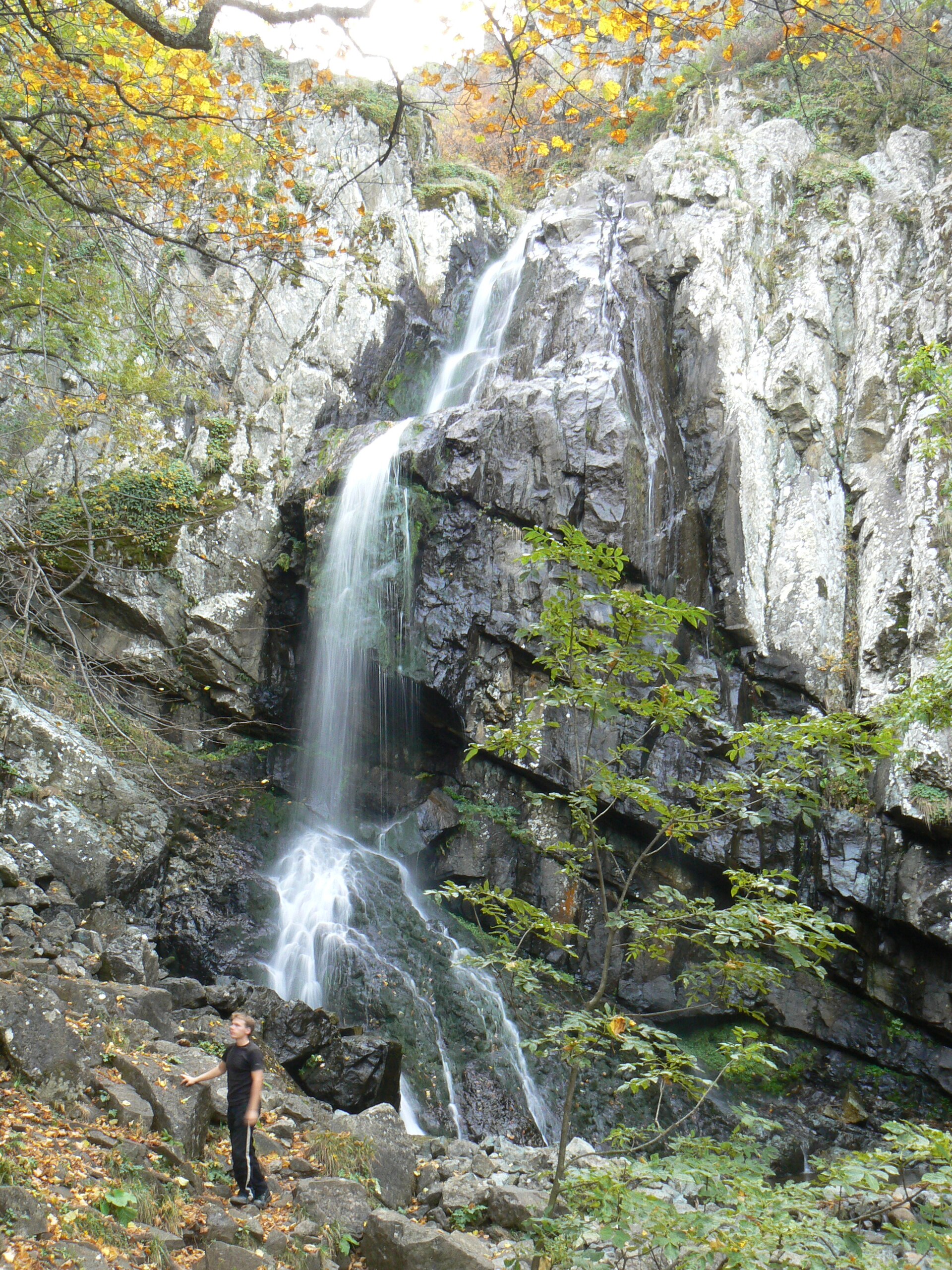
Boyana Waterfall is one of those quiet places near Sofia that doesn’t demand attention with grand views or loud attractions. It’s modest in height—just about twenty meters—but that’s part of its charm. Instead of a dramatic, thundering cascade, the water here flows gently down a rocky slope in a series of small steps, creating a scene that feels more intimate than imposing. In spring, when the snow melts in the Vitosha Mountains, the stream swells, turning the waterfall into a lively, shimmering curtain. By summer, the flow thins but never fully disappears, and in winter, the cold can transform it into a frozen sculpture, delicate and fleeting.
The waterfall has long been a retreat for locals and anyone looking to escape the city’s pace. It sits at the foot of Vitosha Mountain, in the Boyana district, and the easiest way to reach it is on foot. The trail begins near the Boyana Church, winding upward through the forest for about thirty minutes. The climb isn’t steep, but the path can be uneven, especially after rain when the rocks grow slippery. Still, the effort is worth it—along the way, the city sprawls below, a patchwork of rooftops and streets framed by the mountain’s greenery. The contrast between the urban landscape and the wild slopes above makes the walk feel like stepping into another world.
Vitosha has always been more than just a backdrop to Sofia. For centuries, it provided water, timber, and shelter, shaping the lives of those who lived at its base. The waterfall, though not as storied as other landmarks, carries its own quiet history. Long ago, shepherds descending from the high pastures would stop here with their flocks. By the 19th century, the trail had become a favorite escape for early tourists seeking relief from the summer heat. Today, the area retains much of its untamed character. There are no cafes, no souvenir stands, no signs dictating where to go or what to do. Just the sound of water over stone and the rustle of leaves in the wind.
There’s no grand architecture here, no ornate bridges or manicured gardens. The waterfall exists almost exactly as it always has, untouched by attempts to tame it. Near the start of the trail, you might notice the remnants of old structures—perhaps the bones of a failed effort to turn the place into something more polished. But nature quickly reclaimed what was hers, leaving only the faintest traces of human ambition. That’s part of what makes Boyana Waterfall special: it’s a rare pocket of wilderness so close to the city, a place where the modern world feels distant.
The best times to visit are spring and early autumn, when the air is cool and the forest vibrant. Summer brings crowds, especially on weekends, as Sofia’s residents flock here for picnics and fresh air. Even then, solitude isn’t hard to find—just step off the main path and follow one of the smaller streams that feed into the waterfall. Winter is quieter, with only the occasional visitor braving the cold. Those who do are rewarded with a different kind of beauty: the waterfall frozen in time, silent and still, its ice formations glinting in the pale sunlight.
Boyana Waterfall isn’t the kind of place that makes it onto must-see lists. There are no tickets, no guided tours, no scripted experiences. It’s just a trail, a stream, and the sound of water falling over rock. Maybe that’s why people keep coming back—not for the photos or the bragging rights, but for the simple act of being there, in a place that asks for nothing in return.
If you find yourself in Sofia and need a break from the city, this is a good place to go. It’s not exotic, and it won’t leave you breathless with adrenaline. But if you’re looking for something unhurried—a moment of quiet, a lungful of mountain air, a reminder of how little the world has changed in some corners—then Boyana Waterfall is worth the short walk. Sometimes the best journeys are the ones that don’t require a long drive or a packed itinerary. Sometimes, all you need is a path leading upward, and the promise of water falling just as it has for centuries.