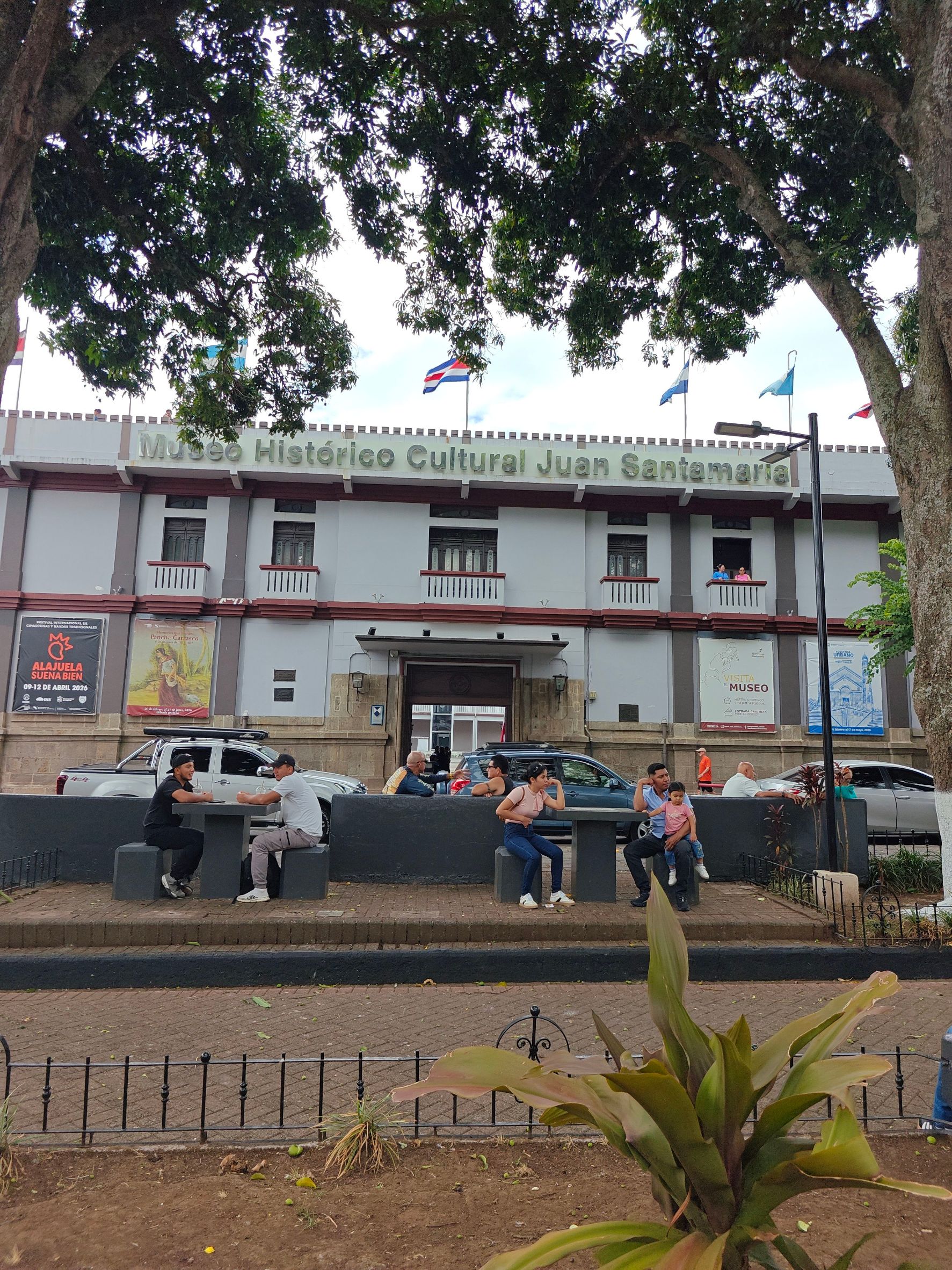
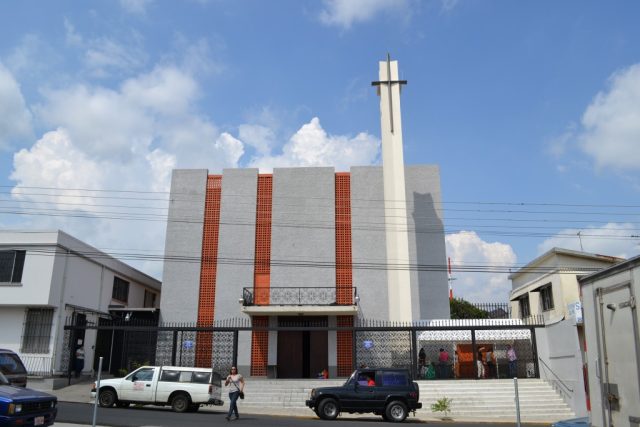
The Cathedral of Our Lady of the Pillar in Alajuela is the kind of place that doesn’t demand attention but quietly lingers in your memory long after you’ve left. Tucked into the heart of the city, it stands on the main square, surrounded by low-slung colonial buildings and the everyday bustle of Costa Rican life. Unlike the grand cathedrals of Europe with their soaring spires and ornate facades, this one is unassuming—modest in scale but deeply meaningful to those who call Alajuela home.
Its story begins in the mid-19th century, when Alajuela had grown from a small settlement into a thriving hub between San José and the Pacific coast. The city needed more than just a place of worship; it needed a symbol of faith and unity. Construction started in 1854, but progress was slow. Political upheavals and financial struggles stretched the project over nearly three decades, and the cathedral wasn’t consecrated until 1880. Since then, it has become a fixture of the city, a quiet witness to its growth and change.
The architecture reflects the practical spirit of Costa Rica, where nature often takes precedence over human ambition. Built in a neoclassical style, the cathedral’s facade is simple, marked by pilasters and a triangular pediment. Inside, the space feels airy and bright—high ceilings, whitewashed walls, and wooden pews. The main altar is dedicated to Our Lady of the Pillar, the cathedral’s patroness, and houses a revered statue brought from Spain during colonial times. For locals, she is more than a religious figure; she is a protector, a presence woven into the fabric of the city.
Beyond its religious role, the cathedral is a place where past and present intersect. The square outside hums with life: vendors sell fresh fruit and flowers in the mornings, schoolchildren pass by in the afternoons, and families gather on benches in the evenings to talk and unwind. During festivals, especially the October celebrations for Our Lady of the Pillar, the cathedral becomes the city’s beating heart. Masses, processions, and street performances fill the square with music, dance, and the scent of traditional food.
The cathedral has also endured its share of hardship. Costa Rica’s earthquakes have tested its structure more than once, and after each tremor, the community has come together to restore it. This resilience is part of what makes the building so cherished—it’s not just stone and mortar but a testament to the perseverance of the people who care for it.
Inside, a few details stand out. The stained-glass windows, depicting scenes from the lives of Christ and the Virgin Mary, glow in soft pastel hues, casting a serene light over the space. The organ, though not grand, fills the cathedral with a clear, resonant sound. Old photographs and documents on the walls offer glimpses into the cathedral’s history, a quiet record of the years it has stood here.
For visitors, the cathedral isn’t so much a tourist attraction as a window into the Costa Rica that locals know. There are no crowds, no souvenir stalls, no guides vying for attention. Just a quiet corner where you can sit in stillness, listen to the birds outside, or watch as people come and go—some to pray, others to light a candle, or simply to escape the midday heat. That’s the beauty of places like this: they don’t try to impress, and yet they leave a lasting impression all the same.
Alajuela is often overlooked by travelers drawn to Costa Rica’s beaches and jungles. But it’s here, away from the well-trodden paths, that you can sense the true rhythm of the country. The Cathedral of Our Lady of the Pillar isn’t just a historic building; it’s a living part of the city, a thread in its story. If you ever find yourself in Alajuela, it’s worth stepping inside—not just for the sake of a photograph, but to stand quietly and understand that sometimes the most meaningful places are the ones that don’t shout for attention. They simply exist, steady and unassuming, waiting to be noticed.