- Home
- Philippines
- Ermita
- Manila Hotel
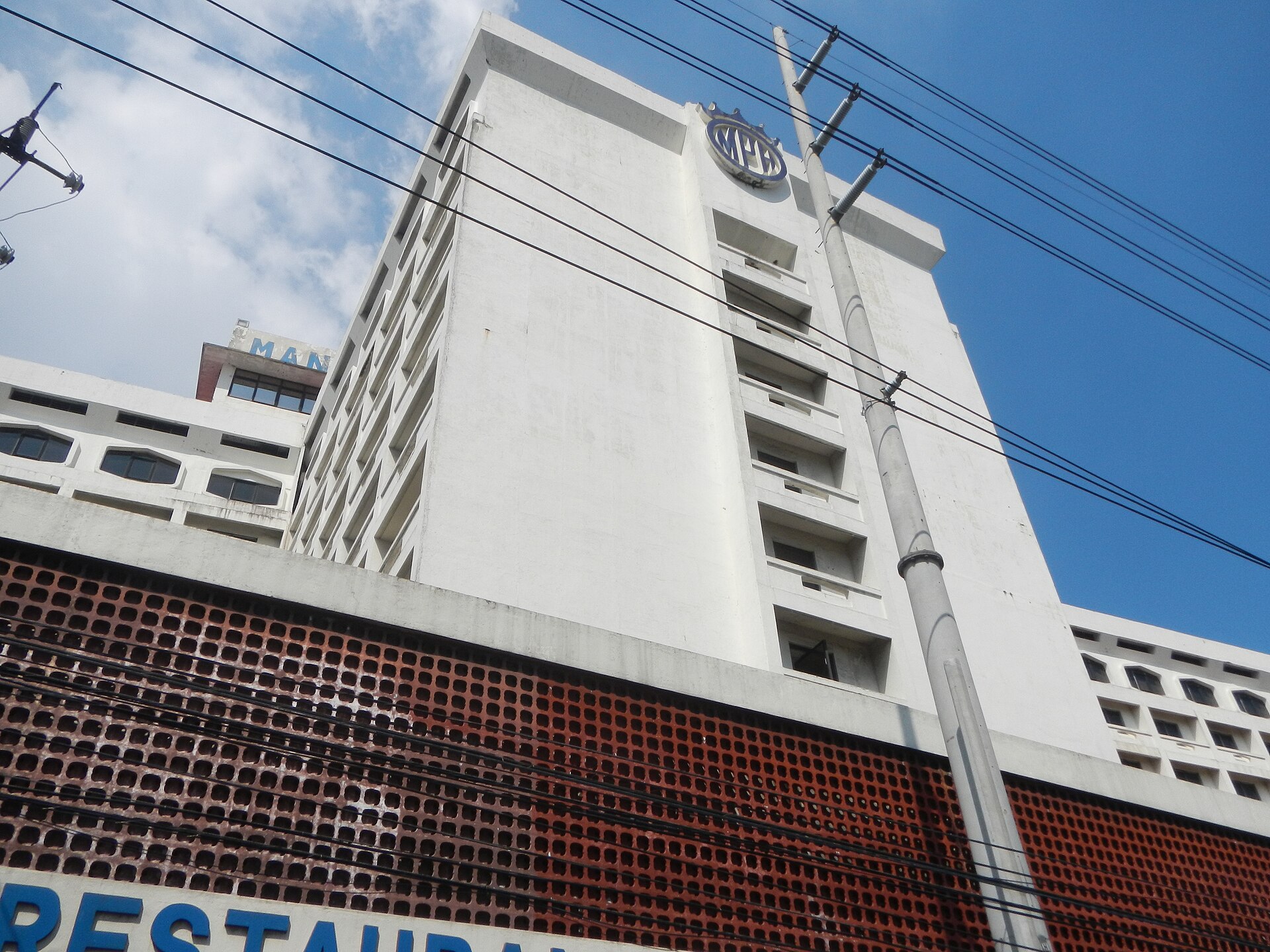
Photo: Judgefloro, Public domain
Manila Hotel
out of 5 0 ratingsManila Hotel isn’t just a building—it’s a quiet witness to the Philippines’ layered past, standing long before the first tourists arrived. Built in 1909 during the American colonial period, it was one of the country’s earliest luxury hotels, a symbol of the era when Manila was still finding its place as a modern city. Ermita, the district where it stands, was once a peaceful waterfront neighborhood of low houses and swaying palms. Little remains of that time now, but the hotel has held onto something intangible—a sense of the early 20th century not so much in its architecture, but in the role it has played across decades.
The building has endured wars and reconstructions, yet its essential character remains. Designed by American architect William Parsons, known for his colonial-style work, the hotel was meant to embody progress and stability. Its original structure featured wide verandas, high ceilings, and large windows that let in the sea breeze—a design that reflected both practicality and ambition. In the 1930s, the hotel expanded, adding new wings and solidifying its reputation as the gathering place for Manila’s political and business elite. World War II left it badly damaged, but by 1946, it had been restored, preserving fragments of its original elegance.
After the war, Manila Hotel became an unofficial center of Philippine politics. Presidents, diplomats, and foreign dignitaries stayed here, and its halls hosted negotiations that sometimes shaped the country’s future. One of its most famous guests was General Douglas MacArthur, who lived in the hotel during his return to the Philippines in 1944. His suite on the eighth floor has been kept largely as he left it, a small but carefully maintained museum piece. Yet the hotel’s atmosphere wasn’t defined by politics alone—writers, actors, and musicians also passed through its doors, drawn by the mix of comfort and exoticism.
Today, the hotel feels like a place where different eras coexist. The lobby displays old photographs of guests in mid-century attire, while modern travelers with backpacks wander past, here for the experience. The interiors blend classic luxury with local touches—carved wooden panels sit beside stained glass, and the restaurants serve both traditional Filipino dishes and European cuisine. It doesn’t try to be a museum; it’s a living space, welcoming guests from around the world while still carrying the weight of its past.
The surrounding neighborhood of Ermita has its own story. Once one of Manila’s most prestigious districts, it has lost some of its former luster but retains a certain charm. The streets are a mix of bustling markets and quiet lanes lined with colonial-era mansions, many in need of restoration. A short walk away, Manila Bay offers evening gatherings where locals and visitors watch the sunset. From here, it’s easy to reach Intramuros, the historic Spanish quarter with its forts and churches, a reminder of the centuries when the Philippines was under Spanish rule.
Though Manila Hotel is no longer the city’s only luxury hotel, it remains one of its most recognizable landmarks. For many Filipinos, it evokes childhood memories—family celebrations or school trips when they first saw its grand facade. For foreigners, it’s a chance to step into history without following the usual tourist path. There’s no forced hospitality or artificial atmosphere here, just a place that has endured as long as Manila itself.
In recent years, the hotel has appeared more often in films and books about the Philippines, mentioned as a setting for pivotal events or as a backdrop for stories of love and betrayal. Maybe that’s what makes it special—its ability to absorb the lives and moments that pass through it. It doesn’t try to be trendy or cutting-edge; it simply exists, much like the history that continues to unfold within its walls. If you ever find yourself in Manila, stopping by for a coffee might be the closest you’ll get to feeling how the past and present intertwine in this unusual place.
Day around this place
Where else to go on the same day
Building the day…
Where it is
14.58337, 120.97376