- Home
- Philippines
- Ermita

Ermita
Philippines · 8 places
Photo: Patrick Roque, CC BY-SA 3.0
ErMita isn’t the Manila you’ll find on postcards. There are no towering skyscrapers or crowds of tourists snapping photos in front of landmarks. Instead, it’s a place where the city’s pulse feels raw and unfiltered—a neighborhood where history and the present collide in the most ordinary, unscripted ways. Walk down its streets, and you’ll see colonial-era buildings standing shoulder to shoulder with tiny, unassuming shops. The hum of motorbikes drowns out the distant chime of church bells, and the air carries the scent of sizzling street food mixed with the saltiness of Manila Bay. This isn’t a place for those who want a polished, picture-perfect version of the capital. It’s for those who want to feel the city as it really is.
The best way to explore Ermita is to let yourself get lost in its maze of narrow alleys. Every turn reveals something unexpected—a family-run eatery where the adobo is cooked the way grandmothers have made it for generations, or a cluttered antique shop where dusty trinkets hide real treasures. The markets here are legendary, especially the night ones, where vendors sell everything from fresh seafood to handmade crafts. If you’re lucky, you might stumble upon a group of musicians strumming guitars on a street corner, turning an ordinary evening into an impromptu concert. The energy is chaotic but never overwhelming, the kind that makes you want to linger just a little longer.
History runs deep in Ermita, and it’s impossible to ignore. The Spanish colonial era left its mark in the form of centuries-old churches, their weathered facades standing as quiet witnesses to the passage of time. The Ermita Church, which gave the district its name, is one of the most recognizable, though it’s far from pristine. Nearby, a plaza that once hosted colonial officials now serves as a gathering spot for locals—families picnicking on weekends, office workers unwinding after a long day. Around the square, art deco buildings hint at the American influence that shaped Manila in the early 20th century, when the city was expanding rapidly. The layers of history here aren’t preserved in museums; they’re woven into the fabric of everyday life.
What makes Ermita fascinating is its contrasts. Luxury hotels and sleek business centers stand just blocks away from modest residential buildings, while modern malls cast shadows over old cinemas still screening classic Filipino films. There’s no clear divide between tourist zones and local hangouts—everything blends together, and that’s what gives the neighborhood its charm. You might start your day with coffee at a waterfront café, watching boats drift across the bay, and end it in a dimly lit bar where artists and musicians debate their latest projects over jazz. The transitions feel natural, as if the city itself can’t decide whether it’s polished or rough around the edges.
At night, Ermita transforms. The streets glow under the flicker of neon signs and the warm light of street lamps, while the scent of grilled skewers and steaming bowls of noodles fills the air. This is when the neighborhood shows its livelier side—sometimes a little rowdy, but always authentic. Bars spill music onto the sidewalks, and dance floors fill with a mix of locals and visitors, all there to lose themselves in the moment. Yet even in its most energetic hours, Ermita never feels like a performance for tourists. It’s just life happening, messy and vibrant, whether anyone’s watching or not.
Stay
1 place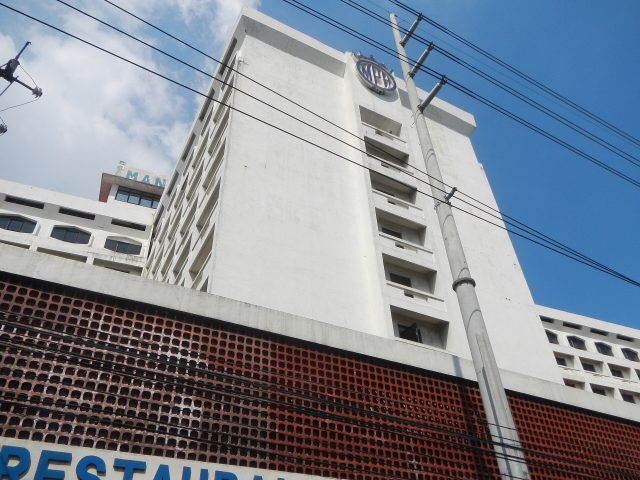
Places on the map
Marker colour follows the categoryClimate and weather
Detailed weather: Ermita- Average temperature
- 29 °C
- Precipitation per year
- 2062 mm
- Sunshine hours per day
- 0 h
Average air temperature
°C
27
27
29
30
31
30
29
29
29
29
29
28
Jan
Feb
Mar
Apr
May
Jun
Jul
Aug
Sep
Oct
Nov
Dec