- Home
- New Zealand
- Emperor Franz Joseph Land
- Franz Josef Glacier Hot Pools
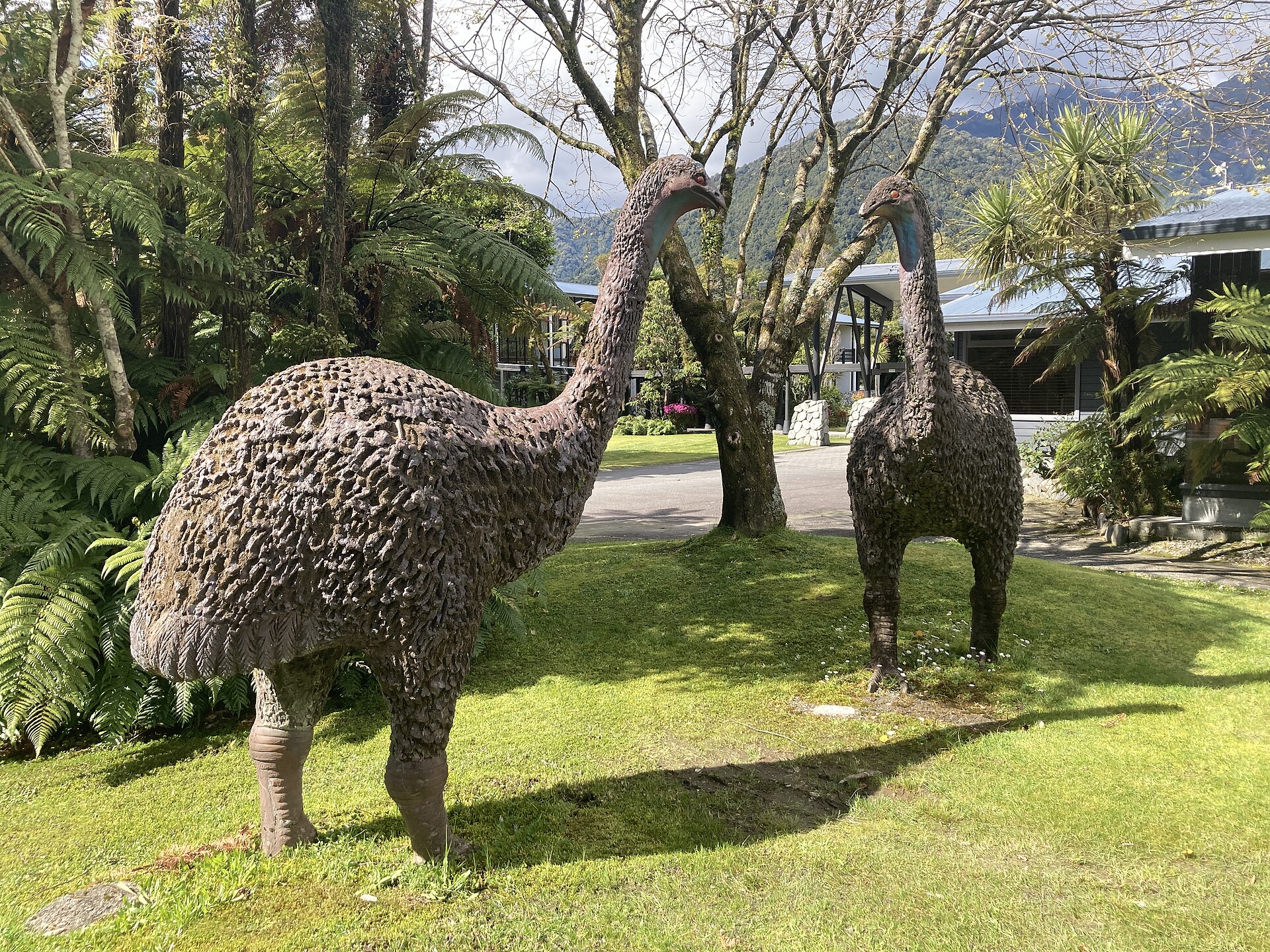
Photo: Mike Dickison, CC BY 4.0
Franz Josef Glacier Hot Pools
out of 5 0 ratingsNestled on the wild west coast of New Zealand’s South Island, the small settlement of Franz Josef feels like a place where the raw power of nature is always close at hand. The air is thick with moisture, the sky often draped in clouds that spill rain onto the dense rainforest and jagged peaks beyond. This is a landscape of contrasts—harsh yet breathtaking, where the icy tongue of the Franz Josef Glacier meets the lush greenery of the surrounding valleys. In a place where the weather can shift from sun to downpour in minutes, the hot pools here aren’t just a luxury; they’re a quiet necessity, a way to thaw out after a day spent hiking through the damp chill or exploring the glacier’s crevasses.
The Franz Josef Glacier Hot Pools sit at the heart of the village, a natural extension of the region’s geothermal activity. New Zealand’s volcanic underbelly has long shaped its landscapes, and here, that energy rises to the surface in the form of warm, mineral-rich waters. The Māori, who have inhabited these islands for centuries, once used these springs for healing and rest, a tradition that later settlers adapted into something more structured. The modern pools may lack the untouched simplicity of those early soaks, but they retain the same connection to the land—a place where the warmth of the water feels like a direct link to the earth’s hidden fires.
The design of the pools is unassuming yet thoughtful. Low-slung wooden buildings with large windows frame views of the surrounding mountains and forest, blurring the line between the man-made and the natural. The pools themselves are open to the elements, and even on a drizzly day, the steam rising from the water creates a cocoon of warmth. The temperature varies from one pool to the next, but none are scalding—just hot enough to ease tired muscles without overwhelming the senses. There’s no grand architecture or ostentatious decor here, just a quiet appreciation for the setting.
What makes these pools special isn’t the frills or the fanfare, but the way they invite you to slow down. There’s no rush, no agenda—just the steady rhythm of the rain on the roof, the occasional rustle of leaves in the wind, and the soft murmur of other visitors lost in their own thoughts. The pools are nestled among dense greenery, and in the fading light of evening, when the last traces of daylight give way to stars, the place takes on a hushed, almost magical quality. Even the rain, which might feel like an inconvenience elsewhere, here becomes part of the experience, a steady backdrop to the quiet unfolding of the moment.
For many, the hot pools are the perfect counterpoint to a day spent outdoors. After hours of trekking across rocky trails or descending into the glacier’s icy depths, slipping into the warm water feels like a reward. Local guides often suggest stopping by after an excursion, not just for the physical relief, but to let the day’s experiences settle. The Franz Josef Glacier isn’t just a tourist attraction; it’s a place that demands respect, a reminder of nature’s relentless force and its delicate balance. The pools offer a chance to reflect on that, to let the warmth seep into your bones while the cold, damp air lingers just beyond.
Franz Josef itself is a small, unassuming village, and the hot pools are one of its few real draws. There are no bustling shopping streets or late-night bars here, just a handful of cafes where you can sip coffee or try fresh local salmon. The pools fit seamlessly into this understated setting, offering exactly what they promise—no more, no less. It’s a place for those who find joy in simplicity: the quiet hum of the forest, the steady warmth of the water, the absence of hurry. There’s no need for extravagance when the surroundings do the work for you.
New Zealand is dotted with geothermal wonders, from the steaming landscapes of Rotorua to the vast, otherworldly expanses of Taupō. But there’s something different about the pools in Franz Josef. Here, the water feels purer, the air crisper, the wilderness more immediate. Perhaps it’s the proximity of the glacier and the ocean, two forces that shape the region’s unique microclimate. Or maybe it’s the fact that this corner of the South Island remains relatively untouched, a place where the crowds thin out and the land speaks for itself.
Visiting the hot pools isn’t about ticking off a tourist checklist. It’s more like a ritual—arriving, slipping off your shoes, sinking into the water, and watching the steam curl into the cool air. Time stretches out here, minutes dissolving into a haze of warmth and quiet. The forest hums around you, the rain taps a steady rhythm, and for a little while, the rest of the world fades away. That’s why people come back, not for the spectacle, but for the chance to pause, to breathe, to feel, if only for an hour, like they’re part of something far bigger than themselves.
Day around this place
Where else to go on the same day
Building the day…
Where it is
-43.38422, 170.18408