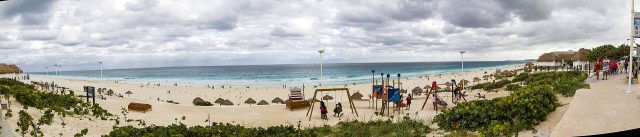
Just a short ferry ride from the bustling shores of Cancún, Isla Mujeres feels like stepping into another world. The island sits in the Caribbean Sea, barely thirteen kilometers from the mainland, yet it moves to a slower rhythm—one of swaying palm trees, empty stretches of white sand, and water so clear it mirrors the sky. The name translates to "Island of Women," a nod to local legends that tie the place to the ancient Maya, who may have used it as a sanctuary for Ixchel, the goddess of fertility and love. Today, it remains a quiet escape, far removed from the high-rises and crowded resorts of its famous neighbor.
Stretching just eight kilometers long, Isla Mujeres is small enough to explore in a few hours by bicycle or rented golf cart. The heart of the island is Avenida Hidalgo, a narrow street running along the western coast where life unfolds at its own pace. Small seafood shacks serve up fresh catches—grilled snapper, ceviche, whole fried fish—while souvenir stalls display handwoven hammocks and colorful ceramics. In the evenings, the street comes alive with music, the scent of charred corn and garlic shrimp drifting through the air. Unlike Cancún, where everything caters to tourists, here the vibe is unmistakably local, a slice of authentic Mexican coastal life.
The northern tip of the island is home to Playa Norte, one of the most beautiful beaches in the region. The sand is powdery and white, the water shallow and calm, making it perfect for swimming, especially with children. The sea shifts from pale turquoise near the shore to deep blue farther out, its transparency revealing shells and seaweed beneath the surface. Even in peak season, the beach rarely feels crowded. Families gather under palm-thatch umbrellas, kids build sandcastles, and visitors lounge in hammocks strung between trees. A few beachside bars serve coconut water and mojitos, but the place retains its natural charm, untouched by commercial development.
The southern end of the island offers a stark contrast. Here, there are no beaches—only rocky shores, tangled mangroves, and secluded coves where few tourists venture. This is the wild side of Isla Mujeres, where trails wind along the coast, offering glimpses of iguanas sunning themselves on the rocks and birds darting through the trees. The most famous spot is Punta Sur, the island’s southernmost point, where a statue of Ixchel overlooks the sea. Though little remains of the ancient Maya structures that once stood here, the site still carries a sense of reverence. From the cliffs, the view stretches across the water to Isla Contoy, and on clear days, the distant outline of Cuba’s coast is visible.
The island’s history is deeply tied to the sea. For centuries, it served as a hideout for pirates who preyed on Spanish galleons laden with gold and silver. Its hidden coves provided perfect shelter for ships waiting out storms. Later, in the 19th century, fishermen settled here, and their trade remains a cornerstone of local life. Every morning at the small dock in town, boats unload their catches—red snapper, lobster, conch—while vendors set up stalls to sell the day’s haul. Many of the island’s restaurants serve dishes made from the freshest seafood, offering a taste of Mexican coastal cuisine without the tourist markup.
The architecture of Isla Mujeres is simple but striking. Most buildings are one or two stories tall, painted in bright hues—sky blue, sunflower yellow, coral pink—with red-tiled roofs and wooden shutters. The style is a mix of colonial and Caribbean, especially in the older neighborhoods near the center. One of the few landmarks worth visiting is the Church of the Virgin of Carmen, a small whitewashed building with a bell tower, surrounded by palm trees. Inside, the walls are adorned with traditional religious imagery, and the quiet atmosphere offers a glimpse into the island’s spiritual life.
Beyond the beaches, Isla Mujeres offers a chance to connect with Mexican culture. Small museums scattered across the island tell stories of its past and natural wonders. The Maya Museum delves into the history of the civilization that once thrived here, while the Marine Life Museum showcases the vibrant ecosystems of the Caribbean. These spots are perfect for rainy afternoons when the beach loses its appeal. The island also hosts local festivals throughout the year, where visitors can experience traditional dances, mariachi music, and street food. One of the most vivid celebrations is Día de los Muertos, when altars are decorated with marigolds and candles, and the air fills with the scent of pan de muerto and incense.
For those who prefer activity over relaxation, the island has plenty to offer. Kayaks and paddleboards are available for rent, allowing visitors to explore the coastline at their own pace. Snorkeling and diving reveal colorful coral reefs teeming with fish, and the nearby Manchones Reef is a hotspot for encounters with sea turtles and nurse sharks. Fishing enthusiasts can charter boats for deep-sea excursions in search of marlin or tuna, while others might opt for horseback riding along scenic trails. The key is to take it slow—Isla Mujeres isn’t a place for rushing.
Getting to the island is easy. Ferries depart regularly from Puerto Juárez in Cancún, the trip taking about twenty minutes. There’s no airport on Isla Mujeres, so the ferry is the only way to arrive by water. Many visitors come for just a day, but staying overnight—or even a few nights—allows for a deeper experience. Accommodations are modest but comfortable, ranging from small guesthouses to private apartments, all within walking distance of the beach.
What makes Isla Mujeres special isn’t luxury or grandeur, but its authenticity. It’s a place where life unfolds at its own pace, where the sea and sky dictate the rhythm of the day. Whether you come for a few hours or a week, the island leaves an impression—one of quiet beauty, warm hospitality, and the simple joy of being somewhere time seems to stand still.