Photo: V chekhov, CC BY-SA 4.0
Oreanda-Isar
out of 5 0 ratingsPerched on the slopes of Mount Ai-Nikola, hidden among the dense forests and rocky outcrops of Crimea’s southern coast, the ruins of Oreanda-Isar offer a quiet glimpse into the peninsula’s layered past. Unlike the well-trodden paths of nearby palaces and resorts, this medieval fortress remains largely unknown to casual visitors, its crumbling walls and scattered stones holding stories that most travelers never hear. The journey here is as much a part of the experience as the destination itself—a winding trail through juniper thickets and wild grasses, where the scent of pine and salt hangs in the air, and the only sounds are the rustle of leaves and the distant murmur of the sea.
Built between the 6th and 7th centuries, when this stretch of coastline was under Byzantine rule, Oreanda-Isar was one of many small fortifications that dotted the Crimean shoreline. Its purpose was practical: to monitor the sea for approaching threats and provide shelter for local communities during raids. Over the centuries, control of the fortress shifted from Byzantines to Genoese merchants, and later to Ottoman forces, each leaving behind subtle traces of their presence. Today, little remains of its former strength—just fragments of walls and towers, their rough-hewn stones fitting together without mortar, a testament to the builders’ skill in a land where earthquakes were a constant risk.
The architecture of Oreanda-Isar follows the simple, sturdy design common to Crimean fortifications of its era. Walls were constructed using dry-stone masonry, a technique that allowed them to withstand tremors while requiring no binding material. Inside the fortress, the outlines of cisterns, living quarters, and even a small church can still be discerned, though time has blurred their original purpose. Some historians suggest the site may have once housed a monastery or a fortified village, but no records survive to confirm who lived here or how they spent their days. The ruins, half-swallowed by the earth, leave much to the imagination.
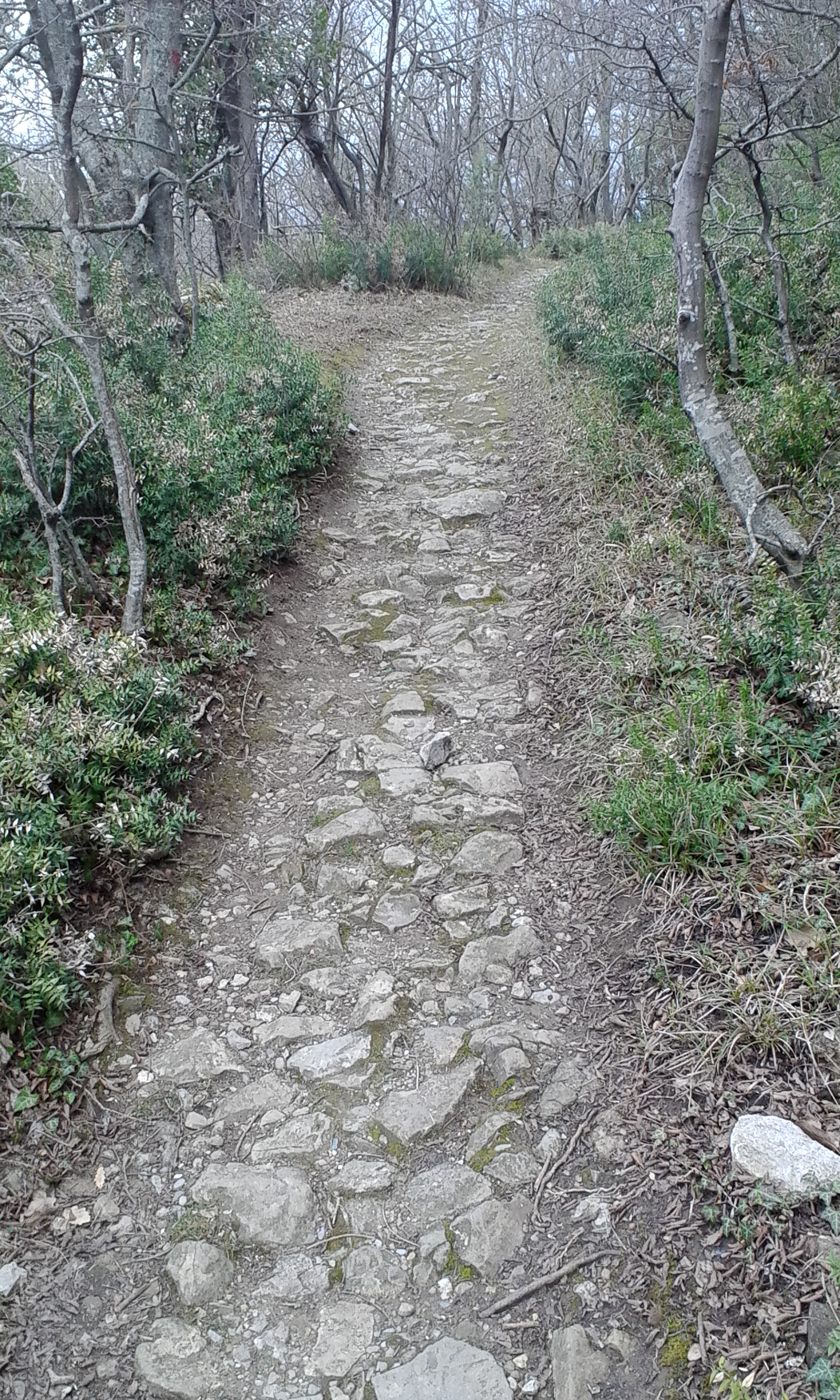
Reaching the fortress requires a hike of about an hour from the village of Oreanda, a climb that rewards visitors with sweeping views of the coastline. From the summit, the Black Sea stretches out below, its surface shimmering under the sun, while the peaks of the Crimean Mountains rise in the distance. The path itself is unmarked and uneven, winding through untamed terrain where wildflowers bloom in spring and the air hums with the chirp of cicadas in summer. Few tourists venture this far, making it one of the few places along the coast where solitude can still be found.
What makes Oreanda-Isar special is not its grandeur, but its rawness. There are no reconstructed walls, no polished plaques, no vendors selling trinkets—just the quiet persistence of stone against time. The fortress has never been restored, and its gradual decay is part of its charm. Some sections of the walls have collapsed entirely, while others stand precariously, their edges softened by centuries of wind and rain. Walking among them, it’s easy to forget the modern world exists; the only reminders are the occasional glint of a distant yacht on the water or the faint hum of a car on the highway below.
The site is not officially protected, and its future is uncertain. Erosion and neglect have taken their toll, and it’s unclear how much longer the ruins will remain intact. Yet even in their current state, they carry a weight that more polished historical sites often lack. Here, history feels tangible—not as something preserved behind glass, but as a living presence in the landscape. The stones beneath your feet have borne witness to centuries of change, from the clatter of Byzantine soldiers to the quiet footsteps of shepherds who once grazed their flocks on these slopes.
For those willing to make the effort, Oreanda-Isar offers more than just a history lesson. It’s a chance to see Crimea from a different angle, far from the crowded beaches and manicured gardens of Yalta. The journey here is an adventure in itself, a quiet pilgrimage through a landscape that has changed little since the fortress was abandoned. The view from the top—a vast expanse of sea and sky, framed by jagged cliffs—is one that lingers long after the descent. In a region where so much has been commercialized, this forgotten corner feels like a secret, a place where the past and present coexist without fanfare. For travelers seeking something beyond the usual postcard sights, it’s a reminder that sometimes the most memorable experiences are the ones that require a little extra effort to uncover.
Day around this place
Where else to go on the same day
Building the day…
Where it is
44.45411, 34.13550