The Nikita Botanical Garden is one of those rare places where science and nature have coexisted in harmony for over two centuries. Established in 1812 by decree of Emperor Alexander I, it was Russia’s first botanical garden created with a purely scientific purpose. What began as an experimental station for studying and acclimatizing plants soon grew into a major research hub, attracting some of the brightest minds in botany. Today, the garden remains a living laboratory, where visitors can explore not only its vast plant collections but also a small museum that tells the story of this remarkable institution and its role in shaping botanical science.
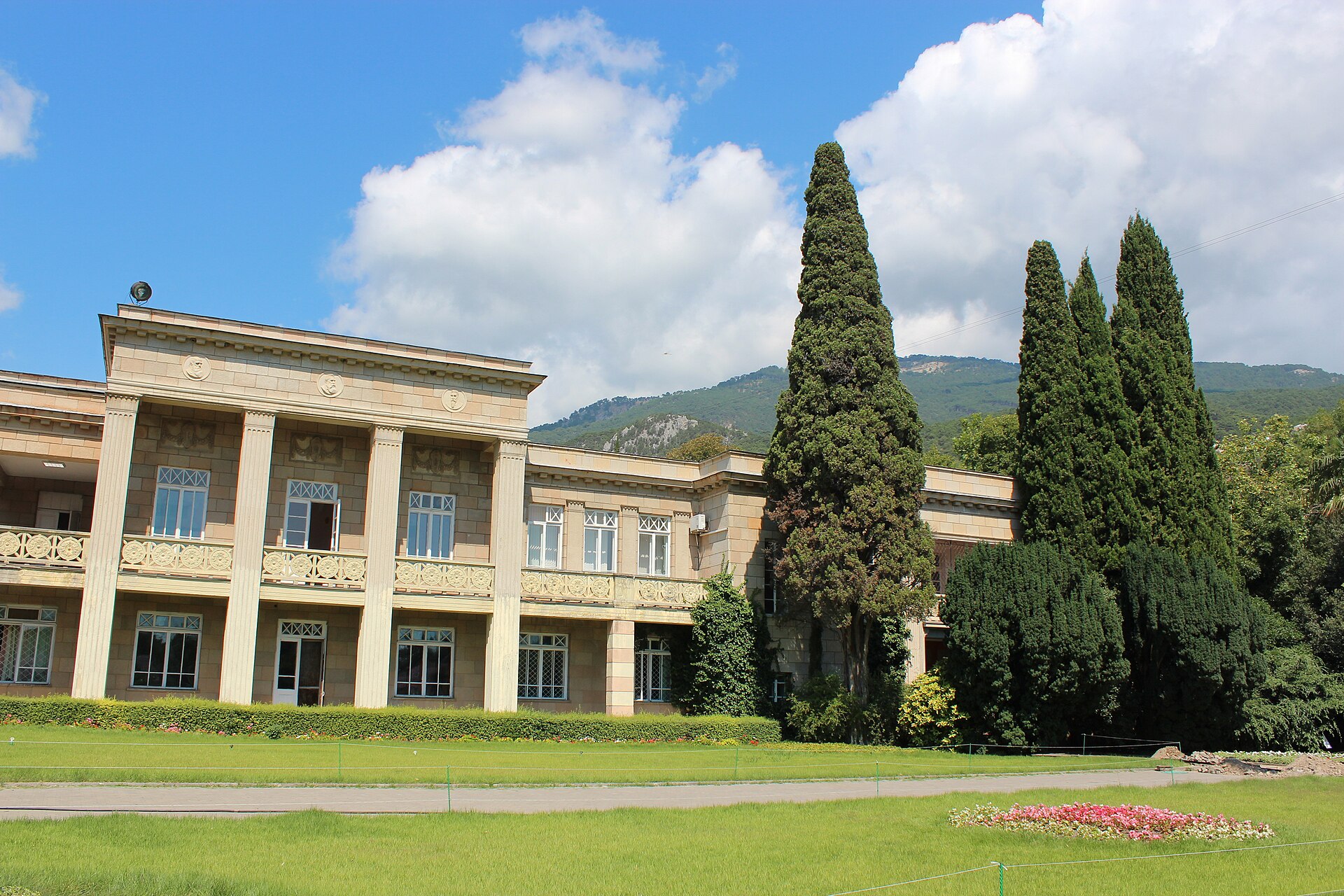
The museum itself is housed in one of the garden’s oldest buildings, constructed in the early 19th century. The architecture reflects a blend of classical elegance and southern charm, with high ceilings, large windows, and understated decorative details that evoke the atmosphere of a bygone era. Though the exhibition space is modest, it offers a fascinating glimpse into the history of botany in Russia—how plants from across the globe were brought here, studied, and adapted to the Crimean climate. The displays include antique herbariums, botanical instruments, photographs, and documents that trace the garden’s evolution through different periods.
Among the most compelling exhibits are those tied to the scientists who shaped the garden’s legacy. A standout is the archive of Christian Steven, the garden’s first director, whose work on Crimean flora became foundational in the field. His meticulous research set the stage for future generations of botanists. The museum also features materials related to Nikolai Vavilov, the renowned geneticist who visited the garden in the early 20th century and recognized its significance for global plant science. These artifacts serve as a reminder of the garden’s enduring influence, bridging past and present.
Beyond the museum, the botanical garden sprawls across more than a thousand hectares, a vast living collection of plants from every continent. Rare trees, shrubs, and grasses—some dating back to the 19th century—thrive here, their diversity a testament to the garden’s role as a global plant sanctuary. The conifer collection is particularly striking, with towering specimens that have stood for generations. Greenhouses shelter tropical and subtropical species, their controlled environments a stark contrast to the open-air gardens. Walking the paths, it’s easy to forget you’re in a scientific institution; the beauty of the landscape feels effortless, yet every plant is part of a carefully curated research project.
The garden has always been more than a research center—it’s a place of learning and discovery. Over the years, students have trained here, scientists from around the world have collaborated, and visitors have marveled at the wonders of the plant kingdom. Even during the Soviet era, when resources were scarce, the garden expanded its collections, built new laboratories, and continued its work in plant genetics and conservation. Today, it remains a vital hub for research, its scientists studying everything from breeding techniques to the preservation of endangered species.
A visit to the Nikita Botanical Garden is a journey through time. The museum offers a quiet, intimate look at the people and ideas that shaped this place, while the gardens themselves provide a sensory experience that changes with the seasons. In spring, magnolias and almond trees burst into bloom; summer brings the scent of roses and lavender; autumn paints the landscape in gold and crimson; and winter reveals the stark beauty of frost-kissed conifers. Each season reveals something new, making every visit unique.
For those with a curiosity about science, history, or simply the natural world, the garden and its museum are a revelation. There’s no rush here, no crowds—just the quiet rustle of leaves and the sense that you’re standing in a place where knowledge has been cultivated for generations. It’s a reminder of how much effort goes into understanding and preserving the plant life that sustains us all. Whether you spend an hour or a full day, the garden leaves you with a deeper appreciation for the delicate balance between human curiosity and the living world.