Cape Martyan is one of those rare places in Crimea where nature seems to have gathered its most striking elements in one spot—rugged cliffs, the endless sea, ancient forests, and a silence broken only by the rhythm of waves. Tucked between Yalta and Gurzuf, just a short distance from the village of Nikita, it feels worlds away from the usual beach resorts. There are no promenades lined with cafes or souvenir stalls here, no crowds jostling for space under umbrellas. Instead, the coastline remains wild, a quiet refuge where the day unfolds at its own unhurried pace.
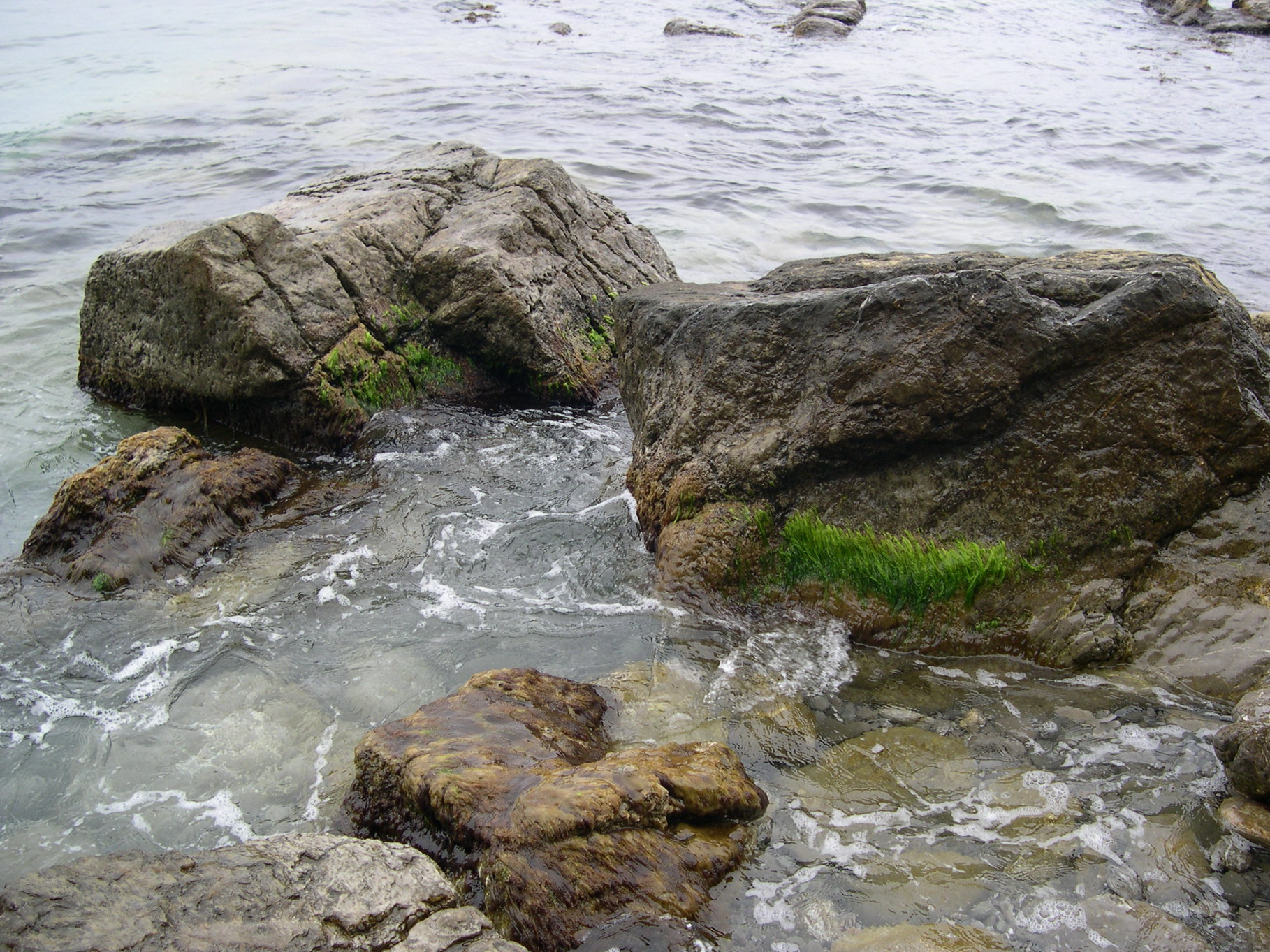
The cape itself is a narrow, rocky finger jutting into the Black Sea, its shores shaped by centuries of wind and water. On one side lies the sheltered Gurzuf Bay, while the other faces the open sea, where waves crash against the stones with a force that feels almost deliberate. The shoreline is uneven, dotted with small grottos and crevices that require a careful descent. Those who venture along the water’s edge often stumble upon secluded spots—flat rocks warmed by the sun, where the only sound is the sea dragging pebbles back and forth.
What makes Cape Martyan truly unusual is the relict juniper and oak forest that has stood here for thousands of years. It’s one of the few places in Crimea where nature has remained largely untouched, a living relic of a time before mass tourism. The trees are short but sturdy, their trunks twisted by the wind, their branches shaped by salt-laden breezes. The juniper here is particularly rare, forming dense thickets that feel almost prehistoric. Walking through them is like stepping into another era, when the Crimean coast was still a place of untamed beauty.
In 1973, the area was declared a nature reserve to protect its unique ecosystem. The forest is home to rare plants, some of which are listed in the Red Book, while the cliffs provide nesting grounds for birds. In the warmer months, lizards dart between the rocks, and foxes occasionally wander through the undergrowth. If you’re lucky, you might spot dolphins playing in the waves just offshore. The reserve’s rules are simple—no fires, no camping, no picking plants—but they ensure that Cape Martyan stays much as it was a century ago.
The cape’s history is woven into the broader story of Crimea’s southern coast. In ancient times, it lay along trade routes, and later, during the Middle Ages, its secluded coves may have sheltered pirates. By the 19th century, when Crimea became a fashionable retreat for Russian aristocracy, Cape Martyan caught the attention of Count Vorontsov, a wealthy landowner and patron of the arts. He once owned these lands and even considered building a palace here, though in the end, he settled for a modest estate. Today, only fragments of old stone walls and overgrown paths hint at that era.
For visitors, Cape Martyan offers something far removed from the usual beach holiday. There are no sun loungers or beach bars, no crowds or noise—just the raw beauty of the coast. The water is clear, especially in the early morning before the sun warms it, and those who bring a mask and snorkel often find themselves swimming alongside schools of fish or spotting sea urchins nestled among the rocks. The best way to experience the cape is to spend a full day here: start with a walk through the juniper forest, then make your way down to the shore, following the coastline to the very tip of the headland.
From the highest point of the cape, the view stretches across Gurzuf Bay to Ayu-Dag, the iconic Bear Mountain, rising from the sea like a sleeping giant. On clear days, the distant peaks of the Yalta Yayla are visible, their outlines softening in the afternoon light. As evening approaches, the sky and sea take on shades of orange and pink, and the air fills with the scent of pine and salt. It’s a place where time seems to slow down, where the only agenda is to watch the light change over the water.
Cape Martyan isn’t for those who expect convenience or entertainment. There are no restaurants, no public restrooms, no vendors selling ice cream. What it offers instead is something far rarer—a sense of solitude, a chance to step away from the noise of modern life. It’s the kind of place you return to not because it’s easy, but because it feels untouched, as if the rest of the world has faded into the background. For a few hours, at least, it’s just you, the sea, and the ancient rocks that have stood here long before anyone thought to call this place a destination.