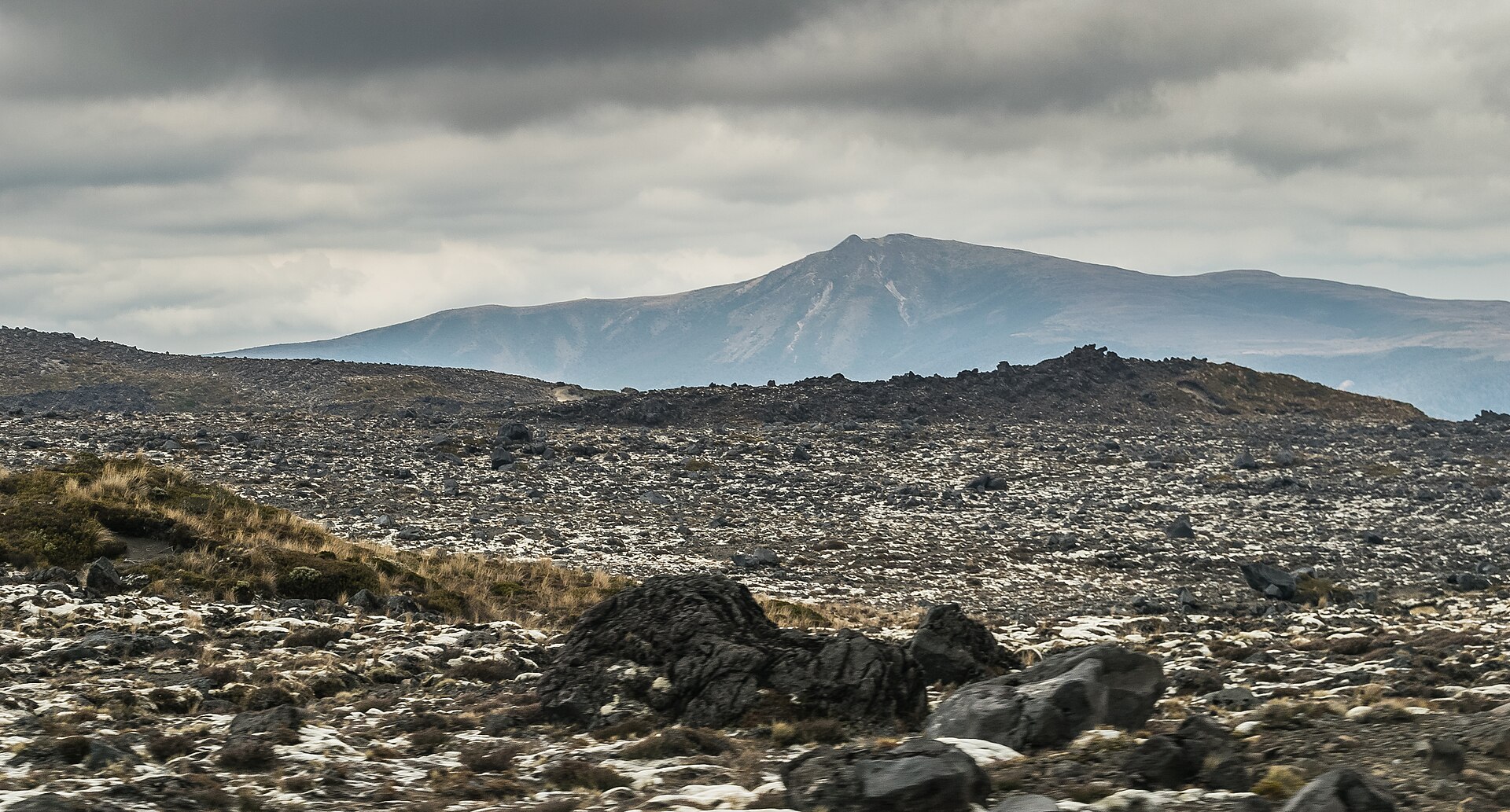
Tongariro National Park is where the raw power of nature feels almost tangible. Nestled in the heart of New Zealand’s North Island, it was the country’s first national park and only the third in the world when it was established in the late 1800s. The landscape here is a dramatic mix of volcanic peaks, glacial valleys, and vivid blue lakes, where the earth seems to breathe beneath your feet. It’s a place that demands attention—not just for its beauty, but for the way it makes you aware of something larger than yourself.
The park takes its name from three active volcanoes—Tongariro, Ngauruhoe, and Ruapehu—which dominate the skyline like ancient sentinels. For the Māori people, these mountains are sacred, believed to embody the spirits of ancestors and hold the stories of their people. The volcanoes aren’t just a backdrop; they shape the land itself, their eruptions rewriting the terrain over centuries. Ruapehu’s last major eruption in the late 1990s is still fresh in memory, and even now, its snow-capped slopes hint at the restless energy beneath.
Beyond the volcanoes, Tongariro is a patchwork of ecosystems packed into a relatively small area. Alpine meadows burst with wildflowers in summer, while dense beech forests shelter rare birds like the kōkako. There are stretches of barren, almost otherworldly terrain, where the ground feels alien underfoot. The park is home to endemic species, including the flightless kiwi, and its crystal-clear streams teem with trout, drawing anglers from all over. The environment here is rugged but delicate, a reminder that every step through the park is a privilege.
The Tongariro Alpine Crossing is the park’s most famous trail, often called one of the best day hikes in the world. Stretching about nineteen kilometers, it winds through a constantly shifting landscape—from lush valleys to steaming sulfur vents and emerald crater lakes. The climb to the saddle between the volcanoes offers a view that stops you in your tracks: endless skies merging with the horizon, the peaks looming closer than they really are. The hike isn’t easy, but those who take it on are rewarded with something far more lasting than a photograph.
In winter, the park transforms into a playground for skiers and snowboarders. The slopes of Ruapehu, blanketed in snow, attract enthusiasts of all levels, from beginners to those chasing off-piste thrills. Come summer, the same trails become a haven for hikers, mountain bikers, and climbers. Even a casual walk can lead to unexpected discoveries—a hidden hot spring, a Māori rock carving half-buried in the earth, or a sudden clearing where the wind carries the scent of sulfur. The park doesn’t give up its secrets easily, but that’s part of its charm.
Tongariro is a place where history and nature intertwine. For the Māori, these lands were not just a source of food but a sacred space where rituals were performed and legends passed down. European settlers arrived later, but they too were drawn to its wild beauty. In the 20th century, the park was designated a UNESCO World Heritage site for both its natural and cultural significance—a rare dual status that underscores its importance. It’s not just the landscape that matters here, but the way people have lived with and revered it for generations.
The mood of Tongariro shifts with the seasons and the weather. Summer brings bright, clear days, though the wind at higher elevations can turn fierce without warning. Winter wraps the park in silence, broken only by the crunch of snow underfoot. Mist often rolls through the valleys, lending the scenery an eerie beauty, while sudden sunlight makes the snow-capped peaks gleam. Time here doesn’t follow the usual rules; it moves at the pace of the land itself.
For first-time visitors, the park demands respect. There’s no room for haste—only slow walks, careful observation, and a willingness to adapt. The weather can change in minutes, and trails that seem straightforward can quickly become challenging. But that unpredictability is what makes Tongariro special. It’s not a place to tick off a list; it’s a place to pause, to listen, and to feel the pulse of the earth beneath you.
Nearby Turangi serves as the gateway to the park. This small town moves at its own unhurried pace, offering cozy cafés where you can try fresh trout from the local rivers or swap stories with locals. There’s no rush here, no city noise—just the quiet rhythm of life attuned to the mountains. Residents are quick to share tips about the best trails or warn of potential hazards, their knowledge passed down like the legends of the land itself.
Tongariro stays with you long after you leave. Maybe it’s because everything here feels real—the heat of the volcanoes, the stillness of the lakes, the people who keep returning. It’s not a park for quick visits or superficial snapshots. It’s a place that asks you to stop, to pay attention, and to recognize that the ground beneath your feet is alive. And if you’re lucky, for a moment, you might understand something deeper—about nature, about time, about what it means to be part of it all.