Deep in the Peruvian jungle, where the Andean foothills dissolve into dense tropical forests, lies Río Abiseo National Park. This is not a place for well-trodden tourist paths or souvenir stalls. Instead, it offers raw wilderness and layers of history buried beneath vines and moss. Covering over 2,700 square kilometers, the park spans the valleys of the Abiseo and Huallaga rivers, stretching across part of the Cordillera Central mountain range. Within its boundaries, cool cloud forests give way to steamy lowlands, where humidity lingers in the air like a second skin.
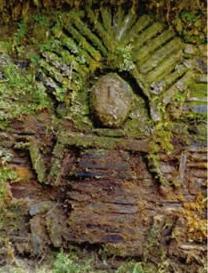
The park is home to the remnants of the Chachapoyas civilization, a people who built their settlements on seemingly impenetrable cliffs. The most famous of these is Gran Pajatén, a cluster of stone structures adorned with geometric patterns. Archaeologists still debate their purpose—whether they were temples, fortresses, or residential complexes. Access to the ruins is tightly controlled, requiring special permits. From a distance, they appear frozen in time, as if the jungle itself has paused to preserve them.
Wildlife thrives here in ways few places on earth can match. Jaguars and pumas roam the undergrowth, while spectacled bears amble through the higher elevations. Above the treetops, harpy eagles—among the largest birds of prey in the world—circle on thermal currents. Rivers teem with fish, and the forest floor is alive with rare frogs and snakes. Orchids flourish in staggering variety, from delicate blooms no larger than a fingernail to flowers the size of a hand. The constant dampness and filtered sunlight create the perfect conditions for their growth.
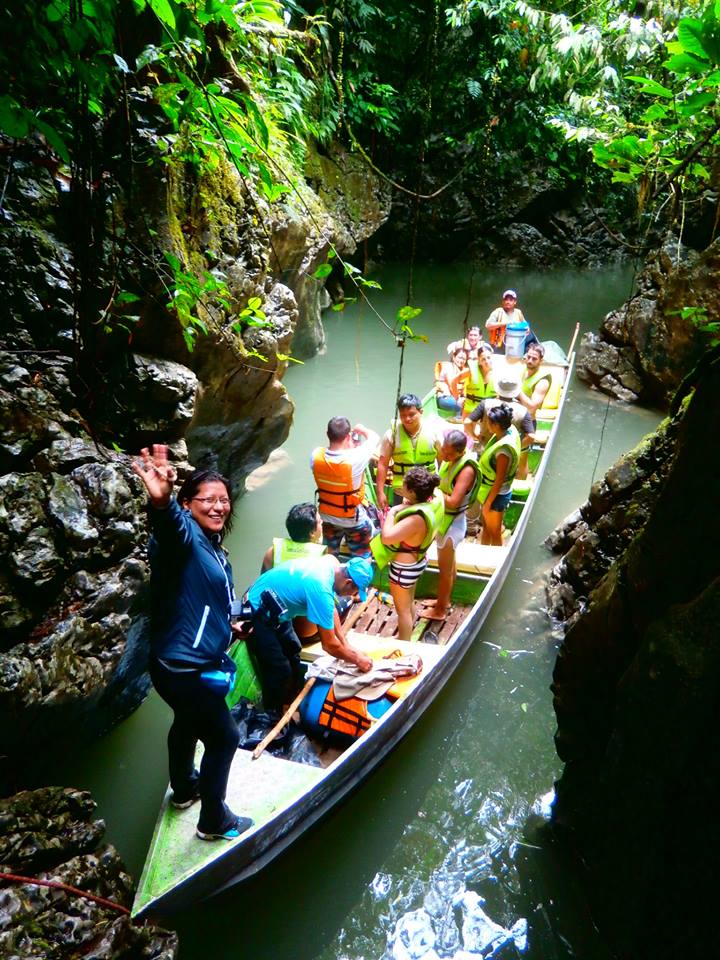
Traveling through Río Abiseo is an adventure in the truest sense. Roads are scarce, and those that exist often become impassable after rain. Local guides know the hidden trails, but journeys can take days. Nights are spent in hammocks under palm-thatched shelters, meals cooked over open fires from whatever the forest provides. The rhythm of life here is dictated by nature—the roar of the river, the dawn chorus of howler monkeys, the scent of wet earth after a storm.
The park was established in 1983, but for local communities, these lands have always been sacred. To them, the forest is both a home for their ancestors and a source of sustenance. Today, Río Abiseo is protected by the Peruvian government, but its management relies on collaboration with indigenous groups. They play a crucial role in preserving the ecosystem, and while ecotourism exists, it remains a niche experience. There are no grand ambitions to turn this place into a mass attraction.
Visitors should come prepared for a journey that is anything but easy. There are no hotels, restaurants, or scheduled tours. What you will find is a side of Peru that has remained largely unchanged since ancient times—wild, untamed, and brimming with life. Every step could bring a new discovery: a rare animal sighting, a forgotten spring, or the quiet realization of how fragile this world truly is.
Río Abiseo is also a living laboratory for scientists. Biologists, archaeologists, and ecologists from around the world work here, uncovering insights that reshape our understanding of South America’s past. Artifacts found within the park have refined the timeline of human settlement in the region, revealing how people once adapted to life in these mountains and jungles. For researchers, this place is a treasure trove, where every stone and plant holds a story.
Yet the true essence of Río Abiseo cannot be captured in words or photographs. It must be experienced—the damp air filling your lungs, the rustle of leaves underfoot, the way sunlight filters through the mist. Time here moves differently, governed by the slow, steady pulse of nature. That may be why the park draws those seeking not entertainment, but silence, and a rare sense of harmony with the world.