Gran Pajatén is one of those places in Peru that few people know about, yet it lingers in the memory long after the visit. Tucked away in the dense forests of the San Martín region, far from the well-trodden paths leading to Machu Picchu or Cusco, this archaeological site offers something rare: solitude. There are no crowds here, no chattering tour groups, no souvenir stalls—just ancient stones softened by moss and the quiet hum of the jungle. The calls of birds and the rustle of leaves are the only sounds that break the stillness. While Gran Pajatén may not have the fame of other Inca monuments, that’s precisely what makes it special. It has retained an authenticity that’s hard to find in overrun tourist sites, a sense of being untouched by time.
The complex was discovered relatively recently, in 1965, when Peruvian archaeologist Víctor Paredes stumbled upon it during an expedition. But its history stretches back much further, long before the Spanish arrived. Gran Pajatén is believed to have been built by the Chachapoyas, a culture often called the "Cloud People." They inhabited these mountains from the 6th to the 15th century, constructing fortified settlements on sheer cliffs and inaccessible ridges. The Chachapoyas were master builders, and Gran Pajatén stands as one of their most impressive achievements. Though the Incas later conquered the region, the site retains the distinct architectural style of the Chachapoyas, making it a unique relic of the pre-Columbian era.
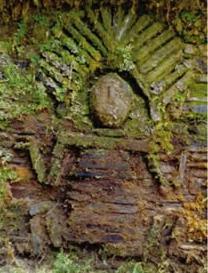
What strikes visitors most about Gran Pajatén is how seamlessly its structures blend with the surrounding landscape. The complex consists of several circular and semi-circular buildings, constructed from precisely fitted stone blocks without mortar. These structures sit on terraces carved into the mountainside, connected by narrow staircases and winding paths. The most imposing feature is the central platform, encircled by smaller buildings that likely served as living quarters or ceremonial spaces. The stones themselves bear the hallmark Chachapoyan designs—geometric patterns and reliefs resembling snake scales or sun rays. These weren’t just decorative; they may have held symbolic meaning, tied to the cosmology and beliefs of the people who once lived here.
Reaching Gran Pajatén is part of the adventure, and not an easy one. The nearest major town is Juanjuí, from which travelers must navigate about 50 kilometers of rough mountain roads before embarking on a multi-hour hike through the jungle. The trail winds through dense vegetation, past waterfalls and small rivers, with local guides leading the way. The journey demands stamina and patience, and even then, it’s not without challenges. During the rainy season, from November to March, the paths become slick and treacherous, so the best time to visit is the dry season, between April and October. But even then, the weather can be unpredictable—morning fog often shrouds the ruins until midday, when the mist finally lifts to reveal the ancient stones.
Gran Pajatén is steeped in the myths and legends of the Chachapoyas. Locals still speak of it as a sacred place, where rituals and ceremonies once took place. Some believe the spirits of ancestors linger here, guarding the secrets of the past. Archaeologists suggest the site may have served as a fortified refuge or lookout, allowing the Chachapoyas to monitor approaching enemies. Yet its exact purpose remains unclear, adding to its mystique. Every stone seems to hold a story, one that has yet to be fully uncovered.
Despite its remoteness, Gran Pajatén is slowly drawing travelers seeking something beyond the usual tourist trail. Unlike more famous sites, there’s no infrastructure here—no cafes, no restrooms, not even clearly marked paths. Visitors arrive with tents, supplies, and a willingness to camp under the open sky. Spending the night here is an experience in itself. In the darkness, the ancient walls feel even more enigmatic, while the stars overhead shine with a brilliance rarely seen in cities. When dawn breaks, the ruins come alive, casting long shadows and revealing details that went unnoticed the day before.
For those who make the journey, Gran Pajatén is more than just another archaeological site—it’s a revelation. It serves as a reminder that Peru’s history isn’t just about the Incas and Machu Picchu. The Chachapoyas, though long gone, left their mark in these stones, in the forests, and in the stories passed down through generations. Gran Pajatén is a place where the past isn’t just observed; it’s felt. The effort it takes to reach it only makes the experience more rewarding. Here, history isn’t something you read about—it’s something you walk through, breathe in, and carry with you long after you’ve left.