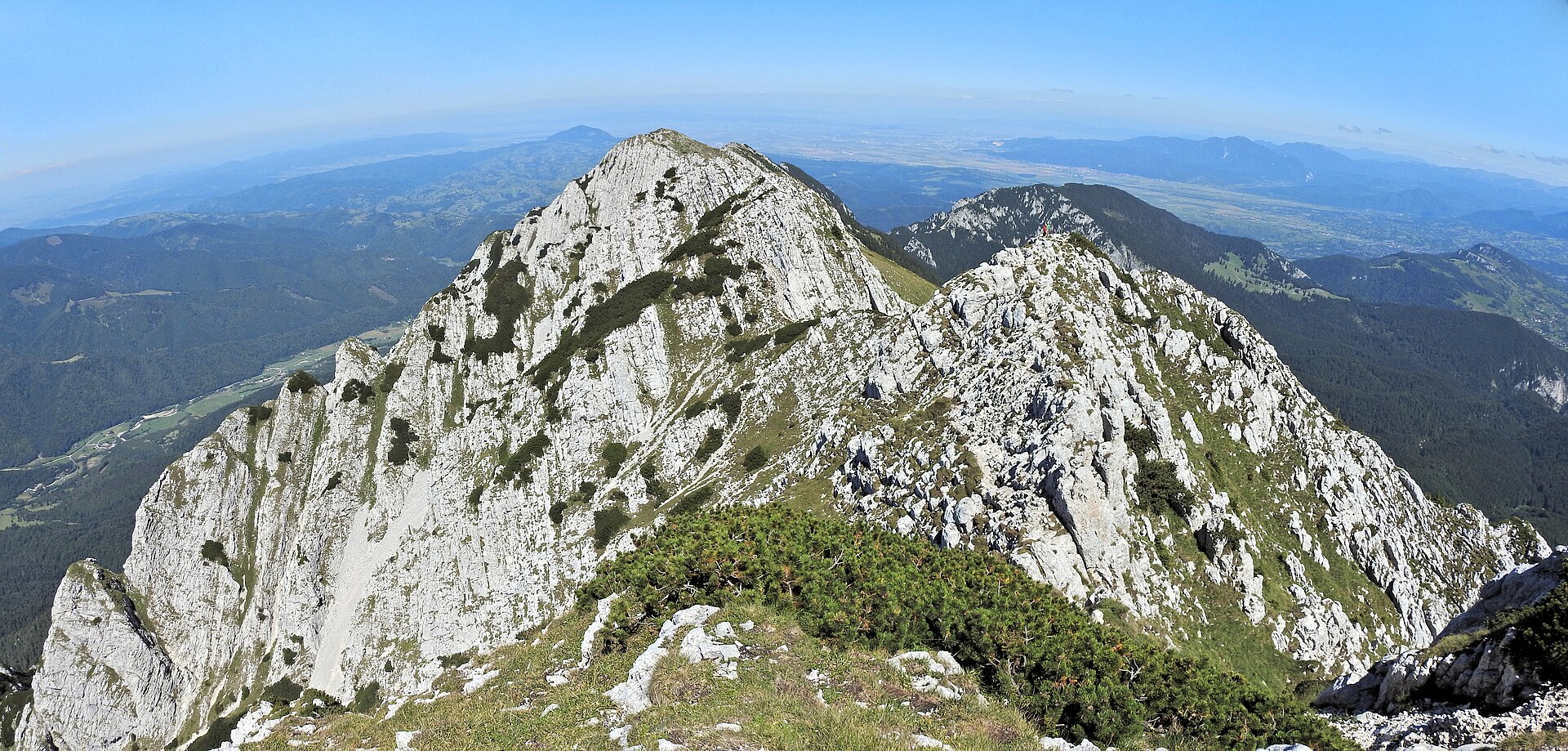
Nestled in the heart of the Southern Carpathians, Piatra Craiului National Park is one of Romania’s most striking natural reserves, a place where jagged limestone ridges rise dramatically above dense forests and rolling meadows. The park’s name translates to "Rock of the King," a fitting title for its imposing central ridge, which stretches nearly 25 kilometers in length and reaches heights of over 2,200 meters. This is a landscape shaped by time, where the forces of wind, water, and ice have carved deep gorges, hidden caves, and sheer cliffs that seem to defy gravity. For those who venture here, the park offers more than just scenery—it’s a chance to step into a world where nature still dictates the rhythm of life.
The history of Piatra Craiului is as layered as the rock formations themselves. The area has been inhabited for centuries, with traces of human presence dating back to the Paleolithic era. Shepherds have long grazed their flocks on the high pastures, following ancient transhumance routes that crisscross the mountains. In the 19th and early 20th centuries, the region became a destination for early mountaineers and naturalists, drawn by its untamed beauty and the challenge of its peaks. The park was officially established in 1990, not just to protect its unique ecosystems but also to preserve the cultural heritage of the villages that dot its edges. Today, it remains one of the few places in Europe where traditional pastoral life still exists alongside modern conservation efforts.
The park’s biodiversity is one of its most remarkable features. The limestone ridges create a mosaic of microclimates, supporting an astonishing variety of plant and animal life. Over 1,100 species of plants have been recorded here, including rare orchids and the endemic Piatra Craiului pink, a delicate flower found nowhere else in the world. The forests are home to brown bears, wolves, and lynxes, while the skies above are patrolled by golden eagles and peregrine falcons. The park’s rivers and streams teem with trout, and its caves shelter bats and other subterranean creatures. For biologists and nature enthusiasts, Piatra Craiului is a living laboratory, a place where every season brings new discoveries.
Hiking is the most popular way to explore the park, and the trails here cater to all levels of experience. The most famous route is the ascent of the main ridge, a challenging but rewarding trek that takes hikers along narrow paths with dizzying drops on either side. The views from the top are unforgettable—on a clear day, the entire Southern Carpathian range unfolds in every direction, a sea of green and gray stretching to the horizon. For those who prefer gentler walks, the park’s lower slopes offer well-marked trails through beech and spruce forests, past waterfalls and alpine meadows. One of the most beloved routes is the Zărnești Gorge, a deep, narrow canyon where the limestone walls rise almost vertically, creating a dramatic corridor that feels like another world.
The villages surrounding Piatra Craiului offer a glimpse into a way of life that has changed little over the centuries. Places like Zărnești, Măgura, and Peștera are home to communities that have long relied on the land for their livelihood. Traditional wooden houses with steeply pitched roofs dot the landscape, and in the warmer months, the sound of sheep bells echoes through the valleys. Many locals still practice transhumance, moving their flocks to high-altitude pastures in the summer and returning to the villages in the autumn. Visitors can experience this heritage firsthand by staying in guesthouses run by local families, where home-cooked meals often feature fresh dairy products, wild mushrooms, and foraged herbs.
The park is also a place of quiet reflection. Unlike some of Europe’s more famous mountain destinations, Piatra Craiului has managed to avoid mass tourism, preserving its sense of solitude and wildness. There are no cable cars or luxury resorts here—just the raw beauty of the landscape and the occasional shepherd’s hut or mountain refuge. For those who take the time to explore its hidden corners, the park reveals a different kind of richness, one that comes from silence, from the play of light on rock, from the scent of pine and wild thyme carried on the mountain breeze.
Winter transforms Piatra Craiului into a different kind of wonderland. The limestone ridges, usually stark and imposing, are softened by snow, and the forests take on a hushed, almost magical quality. While the park is less accessible in the colder months, it becomes a haven for cross-country skiers and snowshoers, who can traverse the lower trails in near-total solitude. The higher peaks remain the domain of experienced mountaineers, who come to test their skills on the icy slopes. Even in winter, the park’s wildlife remains active, with tracks in the snow telling stories of foxes, deer, and the occasional bear venturing out in search of food.
Piatra Craiului is more than just a national park—it’s a symbol of Romania’s natural heritage and a testament to the enduring relationship between people and the land. It’s a place where the past and present coexist, where the call of a golden eagle can still be heard over the distant hum of a village, where the air is so clear it feels like you could reach out and touch the mountains. For those who make the journey here, it offers something rare in today’s world: the chance to step away from the noise and rediscover the quiet, unspoiled beauty of the wild. Whether you come to hike, to observe wildlife, or simply to breathe in the mountain air, Piatra Craiului leaves an impression that lingers long after you’ve left its slopes.