The National Museum of Romanian Literature in Chișinău is one of those quiet places where the past feels alive—not through grand gestures, but through the weight of words and the objects that carried them. Housed in a 19th-century mansion on a street that has seen generations come and go, the building itself is part of the story. Its high ceilings, intricate moldings, and tall windows were designed for another era, when light fell differently on the pages of a book and the act of reading felt like a private ritual. The museum has preserved much of that atmosphere, though the rooms now hold more than just memories. They hold the voices of writers who shaped a culture.
The collection goes beyond manuscripts and first editions. Here, literature is not just something to be read—it’s something to be touched, seen, and felt. Personal belongings of writers, faded photographs, letters written in hurried script, and rare volumes with worn spines all offer a glimpse into the minds behind the words. The museum doesn’t just display literature; it humanizes it. Among the most revered figures are Mihai Eminescu, Ion Creangă, and Vasile Alecsandri, writers whose works became the foundation of Romanian and Moldovan identity. Their words are still quoted in classrooms, recited at gatherings, and debated in cafés, a testament to how deeply literature can root itself in a nation’s consciousness.
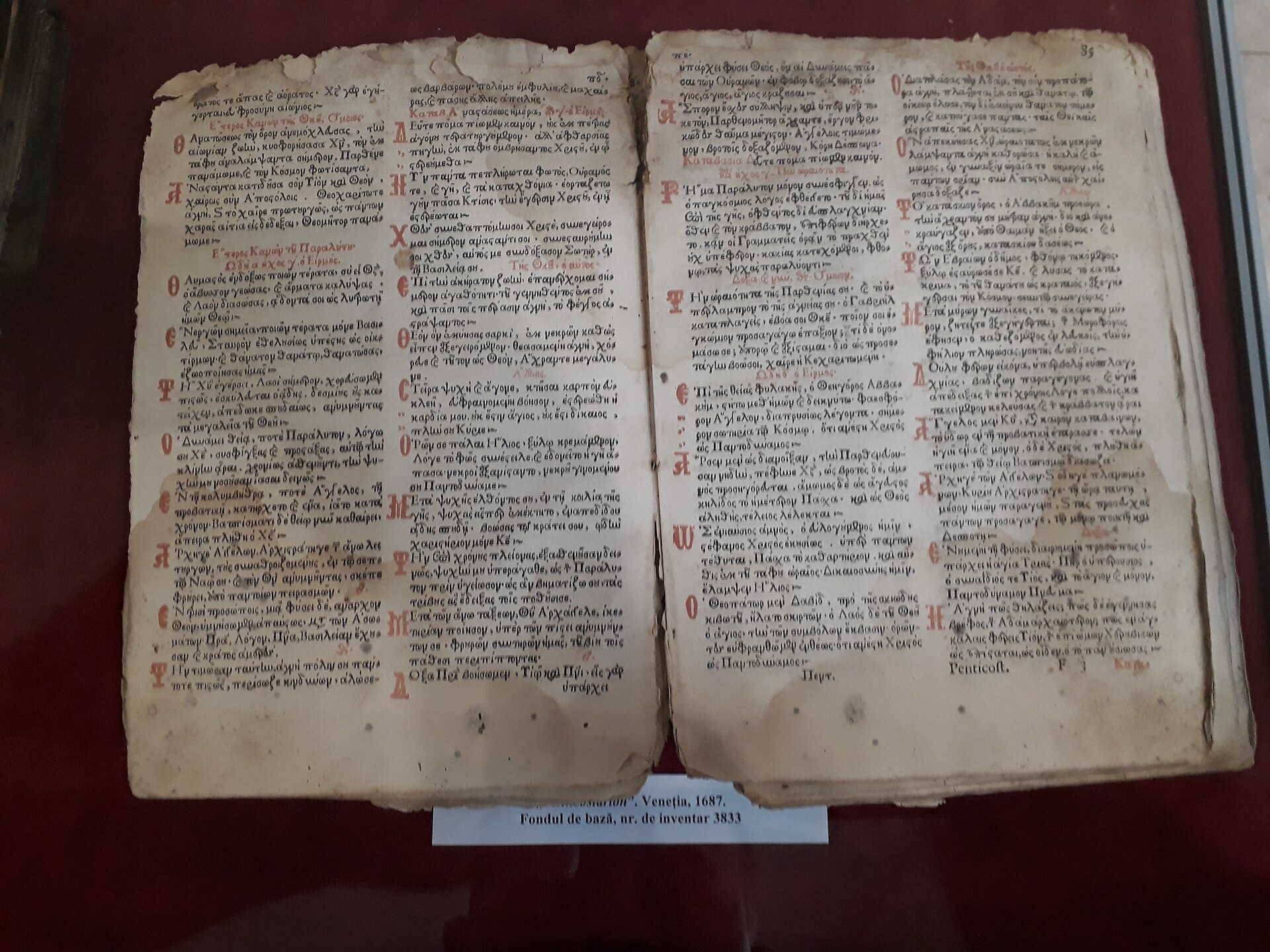
The journey through the museum begins with the earliest traces of Romanian writing, in a hall dedicated to medieval literature. Here, fragile manuscripts and early printed books reveal how the language took shape in monasteries and princely courts. Some of these texts are religious, others historical or poetic, but all of them mark the moment when Romanian culture first found its written voice. The 15th and 16th centuries were a turning point, when chronicles and folk tales began to be recorded, laying the groundwork for what would later become a rich literary tradition. Seeing these pages—some still legible, others barely holding together—makes the past feel tangible in a way that no textbook ever could.
No figure looms larger in the museum than Mihai Eminescu, often called Romania’s national poet. His work, steeped in romanticism and philosophical depth, has been memorized by generations of schoolchildren and remains a touchstone for anyone who cares about Romanian culture. The museum holds his handwritten drafts, notebooks filled with revisions, and even everyday objects from his life—a pair of glasses, a walking stick, a desk where he might have sat late into the night. Eminescu was more than a poet; he was a thinker who grappled with politics, society, and the human condition. His words were sometimes controversial, and his life was marked by struggle, which makes the artifacts here feel all the more personal. Standing in front of his manuscripts, it’s hard not to wonder about the mind that produced them.
Ion Creangă, another cornerstone of Romanian literature, is presented in a different light. Where Eminescu was a poet of lofty ideals, Creangă was a storyteller of the earth, grounding his tales in the rhythms of rural life. His most famous work, *Memories from My Childhood*, is a vivid, often humorous account of growing up in 19th-century Moldova. The museum displays early editions of his books, illustrations that bring his characters to life, and even some of the simple tools he might have used in his other role—as a village schoolteacher. Creangă’s writing feels immediate, as if he’s speaking directly to the reader, and the exhibits capture that same warmth. His stories are still told today, not just in books but in the way people remember their own childhoods.
The 20th century brought new challenges to Romanian literature, and the museum doesn’t shy away from them. One hall is devoted to the turbulent decades when writers had to navigate shifting political landscapes—first the interwar period of cultural flourishing, then the stifling censorship of the Soviet era. Some books were celebrated, others banned, and many authors found themselves walking a fine line between expression and survival. The museum gives space to those who wrote in Moldovan, a language that Soviet authorities once insisted was distinct from Romanian, despite the two being nearly identical. The exhibits here are a reminder of how literature can be both a tool of resistance and a casualty of ideology.
Beyond the permanent collection, the museum keeps the conversation alive with temporary exhibitions, author talks, and book launches. It’s not just a repository of the past; it’s a place where literature is still being made and discussed. Writers come to read their work, scholars give lectures, and visitors can attend workshops on everything from creative writing to the preservation of old books. The museum has become a hub for anyone who cares about words—not just as historical artifacts, but as something that continues to shape the present.
Walking through the halls, it’s easy to forget you’re in a museum at all. There’s no sense of detachment here; the exhibits feel like they’re part of a living tradition. The quiet isn’t oppressive—it’s the kind of silence that invites you to linger, to pick up a book, or to sit for a while and think. Some visitors come to pay homage to a favorite writer, others to discover someone new. For many, the museum is a bridge between the literature they know and the history they’re still learning. It’s a place where you can hold a first edition in your hands and realize that the words inside were once just as fresh and uncertain as the ones being written today.
What makes this museum special is its refusal to treat literature as something frozen in time. The books, letters, and personal effects on display aren’t just relics—they’re evidence of how deeply words can matter. In an age where stories are often consumed in fleeting digital fragments, the museum reminds us that literature has always been more than just text. It’s paper and ink, yes, but it’s also the hands that turned the pages, the minds that wrestled with ideas, and the societies that were shaped by them. Chișinău’s museum isn’t just preserving the past; it’s asking us to consider what we’ll leave behind.