The National Museum of Ethnography and Natural History in Chișinău is one of those rare places where time seems to slow down, allowing visitors to step into a quieter, more deliberate world. Housed in a striking red-brick building from the late 19th century, it stands as a testament to the city’s layered past, when Chișinău was still part of the Russian Empire. The architecture alone is worth lingering over—tall arched windows, intricate brickwork, and a sense of solidity that speaks to the European influences of the era. But beyond its walls, the museum holds something far more enduring: a record of the land, its people, and the natural world that has shaped them for centuries.
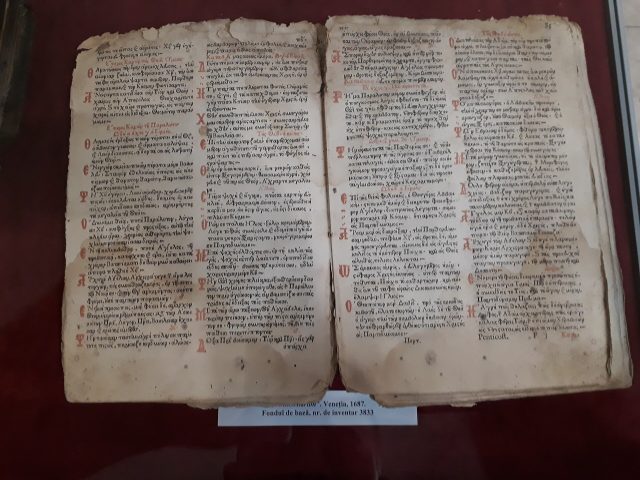
Founded in 1889 by local scholars and enthusiasts, the museum began as an effort to preserve the unique heritage of Bessarabia. Its earliest collections were modest—specimens of local flora and fauna, alongside everyday objects and tools used by the region’s inhabitants. Over time, the exhibits grew more ambitious, expanding to include not just taxidermied animals and pressed plants, but also traditional clothing, pottery, farming implements, and even old musical instruments. Each piece carries its own story, whether it’s an embroidered shirt worn by a villager over a century ago or the skeleton of a mammoth unearthed in what is now Moldova. Together, they weave a narrative of a place where human life and nature have long been intertwined.
The ethnographic section is particularly compelling, offering a glimpse into the daily lives of Moldova’s rural communities. Here, visitors can walk through reconstructed interiors of traditional homes, complete with handwoven textiles, wooden furniture, and tools that once filled every household. The exhibits reveal how people dressed, what they ate, and how they decorated their homes—details that might seem ordinary but were once deeply meaningful. The intricate patterns on towels and tablecloths, for instance, weren’t just decorative; they carried symbolic meanings, passed down through generations. What makes this section especially fascinating is how it reflects the region’s cultural crossroads. Moldovan traditions bear traces of Slavic, Romanian, and even Turkic influences, a reminder of the many peoples who have left their mark on this land.
The natural history wing is equally engaging, showcasing the diversity of Moldova’s landscapes—from the dense forests of Codru to the open steppes of Bugeac. The exhibits feature taxidermied animals, some of which have vanished from the region or are now rarely seen, like wolves, foxes, and deer. There are also birds that once migrated through these lands in great numbers, such as pelicans and bustards, their presence a quiet reminder of how much the environment has changed. The mineral collection is another highlight, with stones and ores gathered from across the country. Some are unremarkable at first glance, while others gleam with unexpected beauty, but all of them tell a story of geological forces that shaped the land over millions of years.
The museum isn’t just a static display of artifacts; it’s a living space where history and science come alive through events and programs. Temporary exhibitions often explore themes like environmental conservation or the evolution of local crafts, while lectures and workshops invite visitors to engage more deeply with the subjects on display. For children, there are interactive tours where they can handle certain objects, try their hand at traditional crafts, or even pretend to be naturalists for a day. These activities transform the museum from a place of passive observation into one of active discovery, where learning happens through experience rather than just reading labels.
The building itself is a piece of history. Constructed in an era when Chișinău was still finding its architectural identity, it has survived wars, political upheavals, and shifting ideologies without losing its original character. Inside, the high ceilings, wooden paneling, and large windows create an atmosphere that feels both grand and intimate. The design encourages visitors to slow down, to take in the details rather than rush from one exhibit to the next. There’s a sense of reverence here, as if the space itself is asking you to pause and reflect on the stories it holds.
For anyone curious about Moldova’s past, the museum offers more than just facts—it provides context. The exhibits don’t just show how people lived; they explain how the country itself came to be, shaped by its geography, its resources, and the challenges its people faced. The traditions that define Moldova today, from its cuisine to its crafts, have roots in this rural, agricultural way of life. Dishes that are now considered national staples, like *mămăligă* (cornmeal porridge) or *plăcintă* (filled pastries), originated in peasant kitchens, while skills like pottery and weaving were once essential for survival. Seeing these objects up close makes it easier to understand why they endure, even in a modern world.
A visit to the museum is a chance to step away from the noise of everyday life. Unlike crowded tourist spots, it offers a quiet, contemplative experience. There’s no pressure to hurry; visitors can wander at their own pace, lingering over exhibits that catch their eye. Benches scattered throughout the halls provide places to sit and absorb what you’ve seen, to let the weight of history settle in. The museum doesn’t aim to entertain—it aims to connect, to bridge the gap between past and present in a way that feels personal and meaningful.
Today, the National Museum of Ethnography and Natural History remains one of Moldova’s most important cultural institutions. It doesn’t just preserve the past; it helps visitors make sense of the present, reminding them of the fragility of nature and the importance of cultural heritage. For locals, it’s a place of memory, a link to the traditions and landscapes that define their identity. For travelers, it’s a window into a world they might otherwise never see. And for anyone who walks through its doors, it’s an opportunity to see how the stories of people, animals, and the land itself are all part of the same unfolding narrative.