Ocean Drive
Miami’s past and present meet along this stretch of road, where pastel colors and neon lights define the waterfront. The strip runs parallel to the beach, lined with low-slung buildings from the 1930s. Nearly eight hundred Art Deco structures stand in the district, with over a hundred concentrated here, side by side.
The architecture is distinct: mint, peach, and cream hues, rounded corners, and thin concrete awnings over the windows. Vertical fins divide many facades, while porthole windows and wave-like details echo the nearby ocean. The buildings went up quickly after the 1926 hurricane, when the city needed fast, affordable reconstruction. By the 1970s, the area had decayed, and demolition loomed until preservationists stepped in.
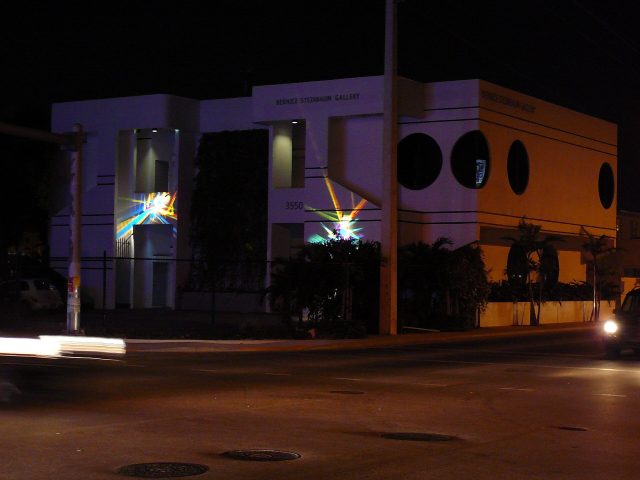
At night, the street changes. Neon signs light up, their glow spilling onto the sidewalks. Many hotel marquees were restored from old blueprints, their retro lettering familiar from Miami-set films. The effect is cinematic, as if the street exists in a perpetual golden hour. Photographers, filmmakers, and visitors come here for that look.
Not every building is Art Deco. The Versace Mansion, a Mediterranean Revival villa, stands out with its ironwork and gardens. Once Gianni Versace’s home, it’s now a boutique hotel and restaurant. His 1997 murder on its steps added a layer of history—one of glamour and tragedy.
Lummus Park separates the road from the sand. On the other side, the beach stretches wide under the sun. Cafes and restaurants along Ocean Drive are popular but often add a service charge. The heat and traffic noise can be intense during the day. The best time to visit is just after sunset, when the air cools and the neon takes over.
Guided walking tours start near the Art Deco Welcome Center. They highlight details like how the buildings’ curves mimic ocean waves and why pastel colors were chosen for the tropical light. It’s a way to see beyond the postcard image.
Driving here can be difficult. Parking is scarce and expensive, and parts of the street close to cars on weekends. A rideshare is often easier. Hotels along the waterfront cost more than those a block inland, though the beach is just as close. The trade-off is waking up to waves and palm trees.
Ocean Drive is more than a street. It’s the sound of a convertible passing, glasses clinking on a rooftop, laughter from open-air cafes. History feels alive here because it’s still part of daily life. The buildings, the people, the ocean—it all comes together.