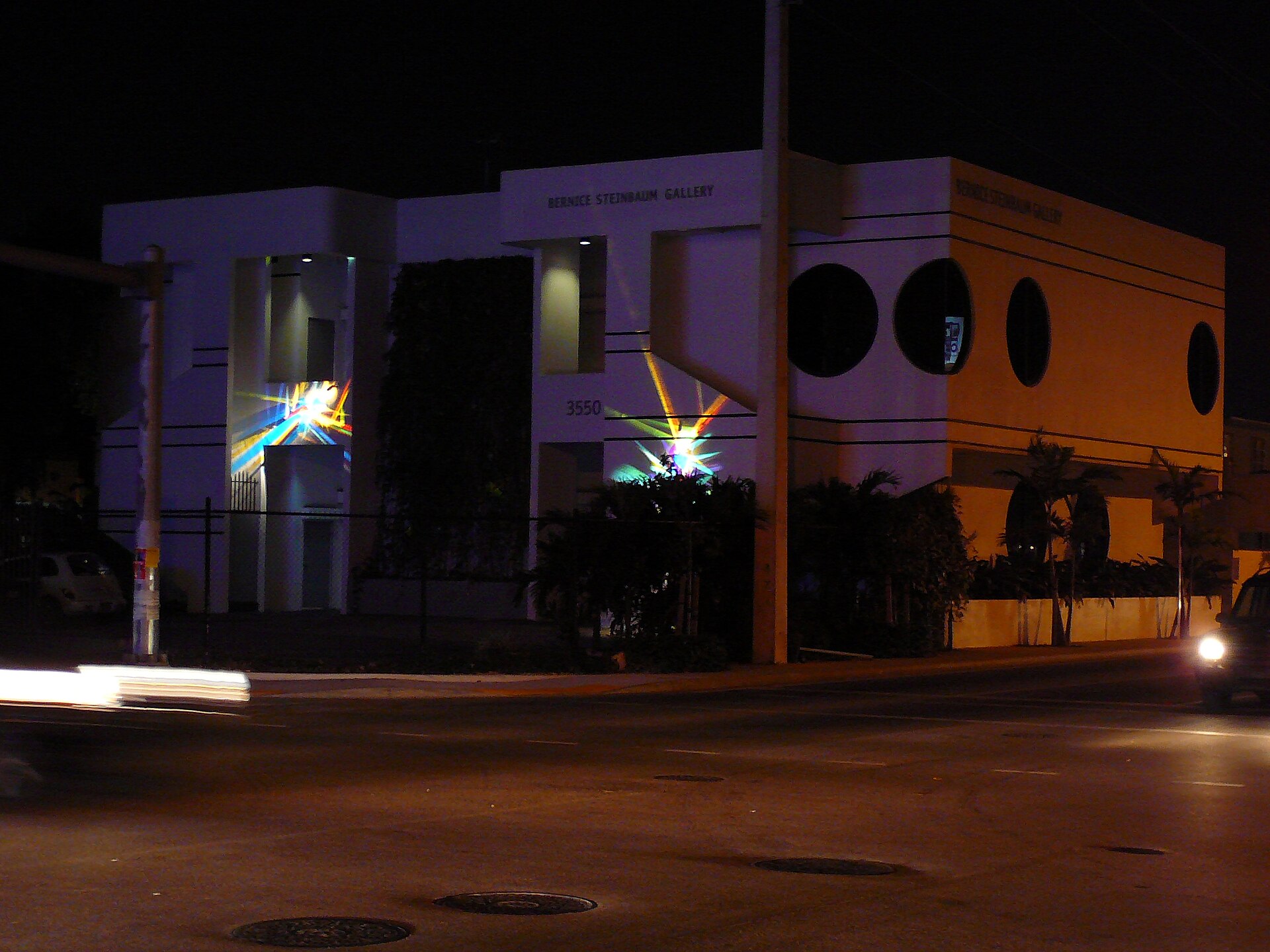
Wynwood was once Miami’s forgotten industrial corner, a grid of warehouses and garment factories just north of downtown. By the late 2000s, the blank concrete walls had become a blank canvas. Artists from around the world were invited to paint them, turning the neighborhood into an open-air gallery that shifted with every new layer of spray paint. The idea was straightforward: let the streets tell the story, and let the story change.
At the heart of Wynwood is a fenced-off lot where a few dozen murals are collected behind a ticketed entrance. But the real magic happens outside those gates. Most of the art is free to see, spread across the neighborhood’s blocks. A walk through the area takes an hour or two, depending on how long you linger. The murals are temporary by design—painted over and replaced regularly—so the district never looks the same from one year to the next. Photos from even a few years ago can feel like a glimpse of another place entirely.
Around the art, the neighborhood has grown into what you’d expect from a creative hub. Galleries, studios, and boutique shops share space with breweries, coffee roasters, and restaurants serving everything from Cuban sandwiches to sushi. The energy peaks on Friday evenings and during art walks, when the streets fill with people drifting between murals, food stalls, and pop-up bars. It’s the kind of place where you might stumble into a live band or an impromptu dance performance without warning.
That transformation hasn’t come without trade-offs. Rents have climbed sharply, pushing out some of the smaller studios and workshops that helped shape Wynwood’s early identity. New condos and luxury apartments have risen along the edges, blending into the landscape in a way that feels inevitable but not always welcome. The neighborhood’s character is still evolving, caught between its industrial past and its glossier present.
Visiting during the day makes the most sense. The streets are lively, the light is good for photos, and the heat, while intense, is manageable. By evening, the outer blocks thin out, and it’s better to stick to the main drags where the bars and restaurants keep things busy. Public transit reaches Wynwood, but most people arrive by rideshare or taxi. Parking is available but often scarce, and the lots charge by the hour. There’s little shade, so bringing water is a good idea.
The galleries and studios tend to open in the afternoon, and many close on Mondays. If you’re looking for a quick meal, the indoor food markets are a reliable option, with stalls serving everything from empanadas to ramen. The murals are meant to be photographed—part of the appeal is seeing how people interact with them, framing shots against the bright walls.
Summer in Wynwood is relentless. The pavement and concrete trap the heat, radiating it back long after the sun sets. Even in cooler months, the lack of shade can make a long walk feel longer. The nearest train station is a hike away, and the sidewalks aren’t always pedestrian-friendly, so walking there isn’t recommended.
Despite the changes, Wynwood still feels like a place where art isn’t just something to observe but something to experience. The murals might fade, the galleries might rotate, and the restaurants might come and go, but the neighborhood’s pulse remains tied to the energy of the people who pass through it. It’s not polished or pristine, and that’s part of its charm. You come for the art, but you stay for the atmosphere—the sense that anything could happen here, even if it’s just another layer of paint.