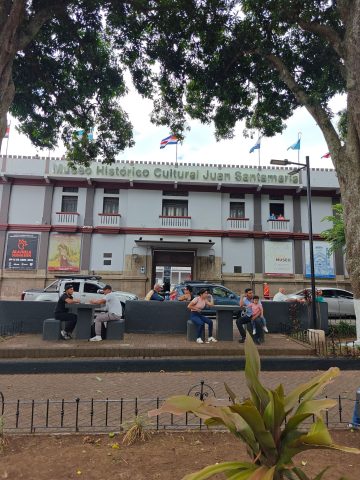
The Juan Santamaría Museum in Alajuela is one of those places where history feels close enough to touch. Housed in a former army barracks that dates back to the mid-19th century, the building itself is a quiet witness to Costa Rica’s past. Its thick adobe walls and red-tiled roof are typical of the colonial architecture that once dominated the region, though the structure has been carefully preserved to serve its new purpose. The museum is named after Juan Santamaría, a young drummer boy whose bravery during the Battle of Rivas in 1856 became a defining moment in the country’s national identity. His story is one of those rare instances where a single act of courage transcends time, turning an ordinary soldier into a symbol of resistance and patriotism.
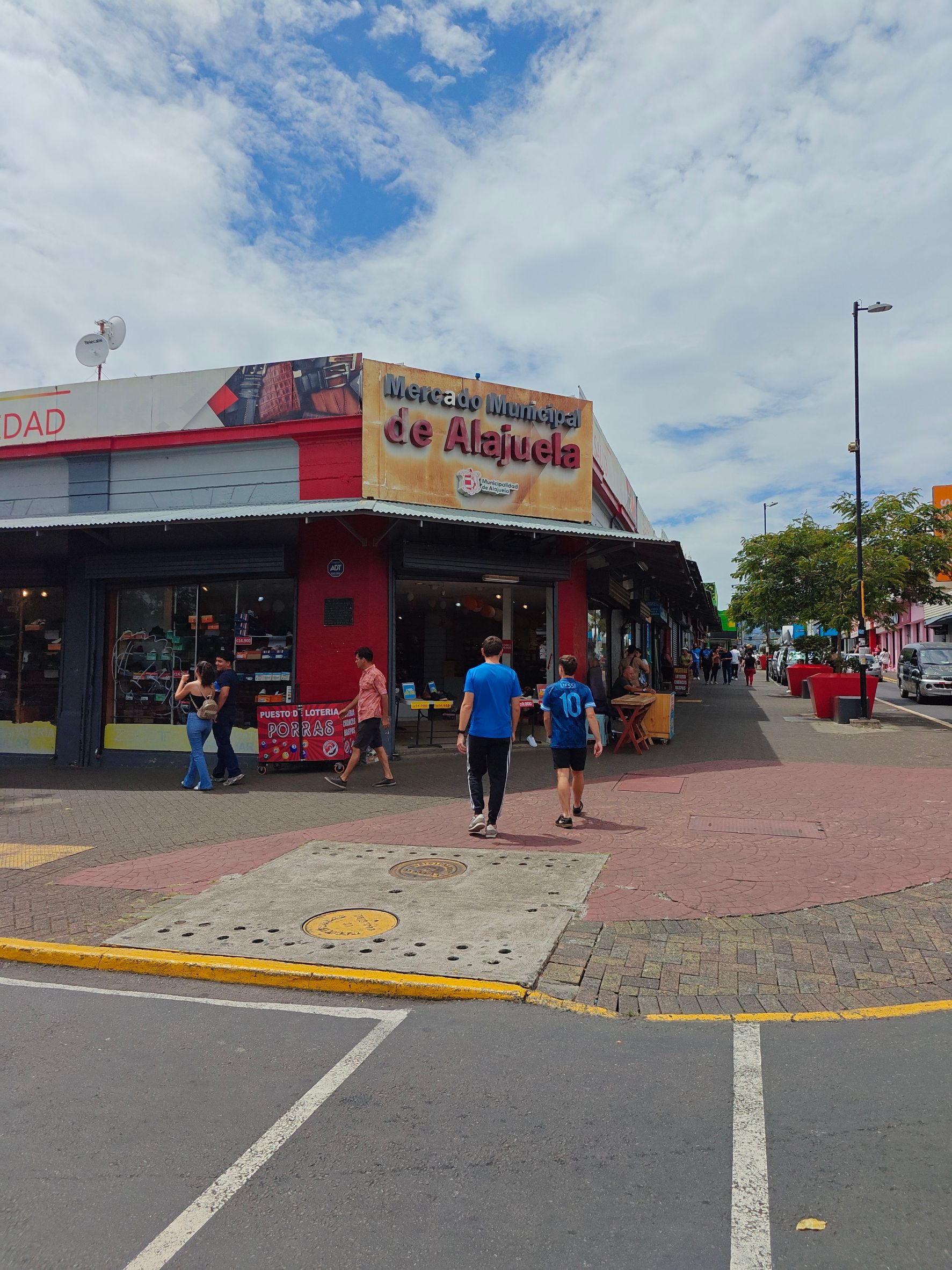
Alajuela, often overshadowed by the capital of San José, is a city with its own distinct character. It’s warmer, slower, and more provincial, with a central park that hums with life in the evenings when families gather and street vendors sell *churros* dusted with sugar. The museum sits just a few blocks from this park, in a neighborhood where the pace of life hasn’t changed much over the decades. The area around it is a mix of old and new—small shops selling everything from handmade leather goods to fresh fruit, and houses with wrought-iron balconies that overlook narrow streets. Walking here, you get the sense that Alajuela hasn’t forgotten its roots, even as it grows.
Inside the museum, the exhibits are arranged to tell the story of Costa Rica’s struggle against the filibuster William Walker, an American adventurer who sought to take control of Central America in the 1850s. The displays are modest but effective, blending artifacts, documents, and dioramas to recreate the era. There’s a certain intimacy to the way the story is told—no grand theatrics, just a straightforward account of how a small nation stood up to an outsider’s ambitions. The centerpiece is the narrative of Juan Santamaría, who, according to legend, volunteered to set fire to a building where Walker’s forces were barricaded. The act cost him his life but turned the tide of the battle. Whether every detail of the story is historically accurate is less important than what it represents: the idea that ordinary people can shape the course of history.
The museum doesn’t shy away from the complexities of the conflict. While Juan Santamaría is celebrated as a hero, the exhibits also acknowledge the broader context of the war, including the role of other Central American nations in repelling Walker’s forces. There are maps showing the movements of troops, letters from soldiers, and even a few personal items that belonged to those who fought. One of the most striking displays is a collection of weapons from the period—rusted muskets, bayonets, and crude machetes—that serve as a reminder of how brutal the fighting must have been. The museum doesn’t glorify war, but it doesn’t ignore its realities either.
Beyond the historical exhibits, the museum also offers a glimpse into Costa Rican life during the 19th century. There are rooms furnished in the style of the time, with simple wooden chairs, handwoven textiles, and tools that give a sense of daily existence in a country that was still largely rural. One exhibit focuses on the role of women during the conflict, highlighting how they supported the war effort by providing food, nursing the wounded, and even taking up arms in some cases. It’s a side of history that often goes unnoticed, but here it’s given its due.
The building itself is worth paying attention to. The barracks were originally constructed in 1856, the same year as the Battle of Rivas, and their design reflects the military needs of the time. The thick walls were meant to withstand attacks, and the layout—with its central courtyard—allowed for easy movement of troops. Over the years, the structure has been repurposed multiple times, serving as a prison and a school before becoming a museum in 1980. The courtyard, now shaded by trees, is a peaceful spot where visitors can sit and reflect on what they’ve seen. It’s easy to imagine soldiers drilling here in the 19th century, or children playing during the building’s time as a school.
For Costa Ricans, the museum is more than just a collection of artifacts. Juan Santamaría is a national hero, and his story is taught in schools across the country. His statue stands in Alajuela’s central park, and his name is attached to everything from streets to the country’s main international airport. The museum serves as a place of pilgrimage for those who want to connect with this part of their history. On certain national holidays, like Juan Santamaría Day on April 11th, the museum hosts events that draw crowds of locals, including reenactments of the Battle of Rivas and speeches about the importance of patriotism.
Visiting the museum is a low-key experience. There are no flashy multimedia displays or interactive exhibits, just a quiet, thoughtful presentation of history. The staff are knowledgeable and often willing to share extra details if you ask. The museum is small enough that you can explore it in an hour or two, but it leaves a lasting impression. It’s the kind of place that makes you think about the stories we tell ourselves as nations—how we choose our heroes, how we remember our past, and what those memories mean for the present.
If you’re in Alajuela, the museum is worth a visit, not just for its historical significance, but for the way it captures the spirit of the city. It’s a place where the past feels alive, not because of any grand spectacle, but because of the quiet dignity with which it’s presented. Whether you’re a history buff or just someone passing through, it offers a chance to step back in time and see Costa Rica through the eyes of those who shaped it.