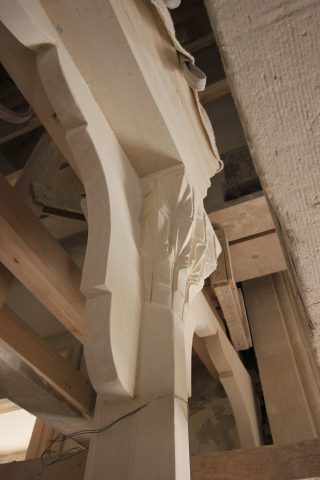
The Museum of Old Herzegovina in Foča feels like a place where time has quietly settled into the corners of its rooms. Tucked away in the heart of the town, it occupies a building that carries its own stories within its walls. Constructed in the early 20th century, the house is one of the few remaining examples of traditional Bosnian architecture, blending Ottoman and Austro-Hungarian influences. Thick stone walls rise to meet wooden beams under high ceilings, while carved shutters frame the windows. Even without its exhibits, the building itself would be worth a visit—it stands as a quiet witness to the past, its details speaking of the lives once lived here.
Founded in the mid-20th century, the museum is dedicated to the culture and daily life of Herzegovina, a region that often existed on the edges of grand historical narratives yet shaped its own distinct identity. The collection spans several centuries, from the Ottoman period to the first half of the 1900s. There are no grand names or pivotal dates here, just the ordinary objects that filled people’s lives: tools, household items, clothing, jewelry, weapons, and faded documents. Each piece offers a glimpse into the rhythms of existence in a place where history was not made in battles or treaties but in the slow, steady work of living.
One of the most compelling parts of the museum is its collection of traditional costumes. Herzegovina’s clothing has always stood apart from the rest of Bosnia—less vibrant, more restrained in its lines, yet rich in embroidery and metalwork. The exhibits include everything from festive attire to the rough-spun garments of farmers, as well as the more refined dress of townspeople, which absorbed influences from different cultures over time. The women’s dresses, with their long sleeves and intricate patterns, and the men’s vests, embroidered with silver thread, are particularly striking. Each piece feels like a fragment of a life, a silent story waiting to be pieced together.
The museum also houses a notable collection of weapons, reflecting Herzegovina’s long-standing military traditions. The exhibits include curved sabers, 19th-century pistols, and even firearms from the Balkan Wars. Yet what lingers in the mind are not the weapons themselves but the stories attached to them—a dagger once carried by a local warlord, a rifle used for hunting in the mountains. These objects are more than relics behind glass; they carry the weight of the lives they touched, reminding visitors that war and survival were once as much a part of daily existence as farming or trade.
Beyond ethnography, the museum includes an archaeological section with artifacts unearthed in Herzegovina. Fragments of pottery, coins, and remnants of ancient structures offer a window into even older layers of history. The Roman period is particularly well-represented, with pieces from the time when this region was part of the province of Dalmatia. Visitors can see fragments of tombstones inscribed in Latin, everyday items from Roman households, and a few remarkably preserved fibulae—clothing fasteners worn by locals two thousand years ago. These small, unassuming objects connect the present to a distant past in a way that feels unexpectedly intimate.
What makes the Museum of Old Herzegovina special, though, is not just its exhibits but the atmosphere it creates. The rooms are quiet, the light soft, and the air carries a sense of stillness. It’s easy to imagine the past lingering here—a craftsman at his bench, a woman in a headscarf carrying a basket of apples, a boy running through the streets with a homemade toy. The museum doesn’t try to impress with grandeur or spectacle. Instead, it offers something rarer: authenticity. It’s a place that feels lived-in, not staged, and that quiet sincerity is what makes it memorable.
Foča is not a town that draws crowds of tourists. It moves at its own unhurried pace, and the museum is less a tourist attraction than a local gathering place—a spot where people come to remember. Occasionally, small exhibitions or lectures are held here, but more often than not, the rooms are quiet, allowing visitors to take their time with the displays. For those interested in Balkan history, this museum is a revelation. There’s no pomp or pretension, just a straightforward, unfiltered look at the past.
The museum’s history is as layered as the region it represents. During the 1990s war in Bosnia and Herzegovina, Foča suffered greatly, and many cultural sites were destroyed or looted. The museum was not spared—parts of its collection were lost, and the building itself was damaged. Yet through the efforts of local residents and dedicated individuals, it was restored. Today, it stands not just as a repository of artifacts but as a testament to resilience. It’s a reminder that even in the darkest times, memory can endure.
Visiting the Museum of Old Herzegovina isn’t like a typical museum tour. There are no guides reciting rehearsed scripts, no overly detailed plaques. Instead, there’s silence—the kind that allows you to hear the rustle of old paper, the creak of floorboards, the faint echoes of voices long gone. It’s a place for those who listen to history not just with their ears but with something deeper. If you ever find yourself in Foča, take a moment to step inside. You won’t find grand narratives or dramatic displays, but you might just catch a whisper of the lives that once filled these streets.