Aladža Mosque in Foča is one of those places where history feels almost tangible, as if the walls themselves could tell the stories of the centuries they’ve witnessed. Built in the late 16th century, it stands as a quiet testament to the Ottoman era in Bosnia and Herzegovina, a period that left an indelible mark on the region’s culture, architecture, and daily life. The mosque’s name, *Aladža*, translates to "colorful" or "variegated," a nod to the intricate decorative patterns that once adorned its exterior. Though much of that original ornamentation has faded or been lost over time, the building still carries an air of elegance, its proportions and details speaking to the craftsmanship of its creators.
The mosque was commissioned by Hasan Nazir, a local Ottoman dignitary, and completed in 1550 or 1551, depending on which historical account you follow. Like many Ottoman mosques of the time, it was designed not just as a place of worship but as a social and cultural hub—a space where people gathered for prayer, education, and community life. The structure follows the classic Ottoman architectural style, with a single large dome crowning the main prayer hall, supported by smaller domes and a portico at the entrance. The minaret, slender and graceful, rises from the northwest corner, its stonework blending seamlessly with the rest of the building.
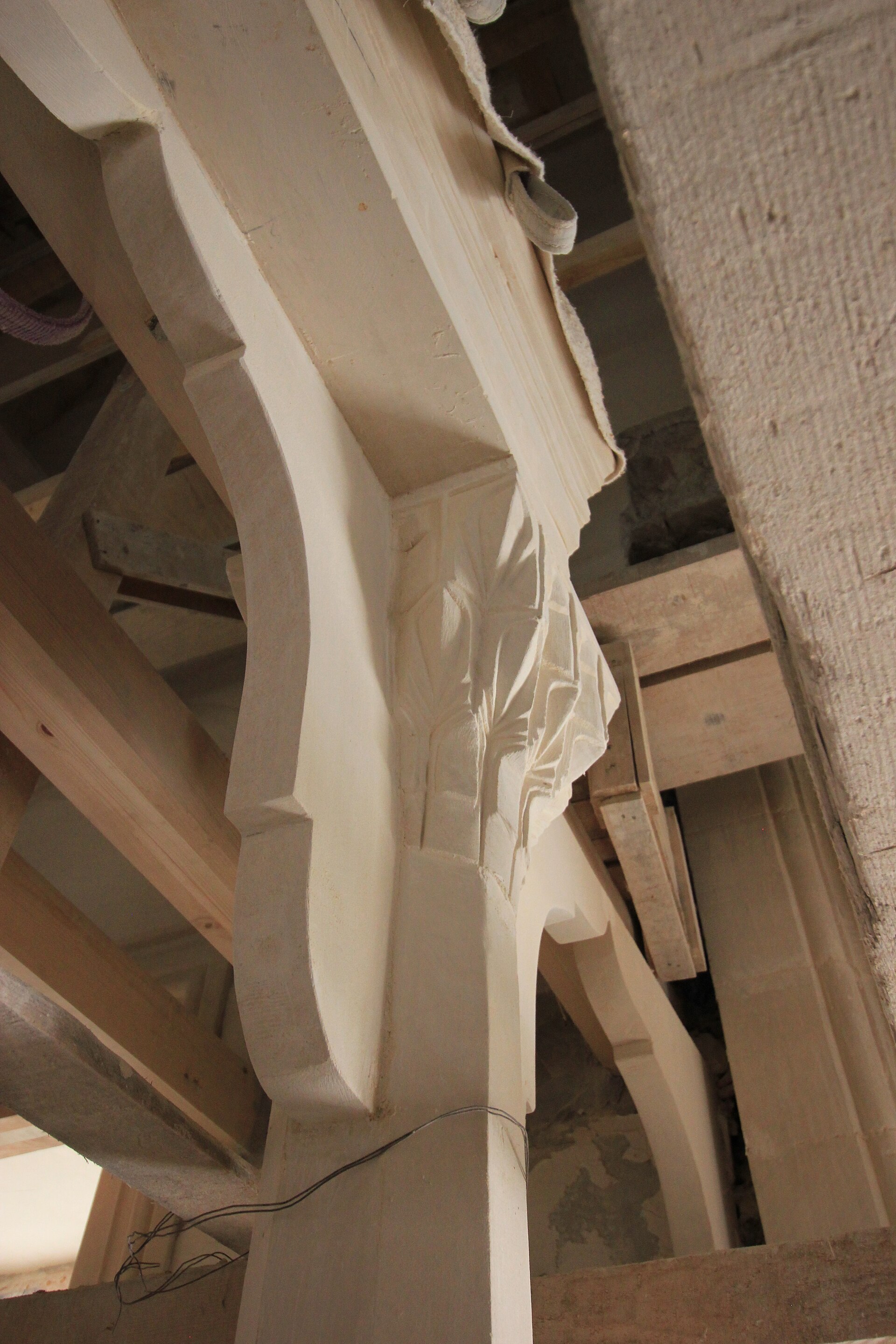
What makes Aladža Mosque particularly interesting is its resilience. Over the centuries, it has weathered wars, occupations, and neglect, yet it remains standing, a symbol of endurance. During World War II, the mosque suffered damage, and in the 1990s, it was deliberately destroyed during the Bosnian War. The ruins stood as a haunting reminder of the conflict until reconstruction began in the early 2000s. The process was painstaking, with architects and historians working to restore the mosque to its original form using old photographs, descriptions, and traditional building techniques. Today, it has been largely rebuilt, though some scars remain visible—a few original stones, pockmarked by shrapnel, are preserved as part of the structure, a subtle but powerful reminder of the past.
The interior of the mosque is simple yet striking. The prayer hall is spacious, with high ceilings that amplify the sense of openness. The mihrab, the niche indicating the direction of Mecca, is modestly decorated, and the mimbar, the pulpit from which the imam delivers sermons, is crafted from wood with clean, understated lines. Natural light filters through the arched windows, casting soft shadows across the walls. The absence of excessive ornamentation gives the space a serene, almost meditative quality, inviting visitors to pause and reflect.
Foča itself is a town with a layered history, nestled in the southeastern part of Bosnia and Herzegovina, where the Drina River carves its way through the rugged landscape. Once a thriving Ottoman settlement, it later became part of the Austro-Hungarian Empire, then Yugoslavia, and now an independent Bosnia. The town has seen its share of upheaval, but it retains a quiet charm, with its old stone houses, narrow streets, and the ever-present sound of the river. Aladža Mosque is one of the few remaining Ottoman-era buildings in Foča, making it a rare link to the town’s past.
Visiting the mosque today, you won’t find crowds of tourists or elaborate exhibits. Instead, there’s a sense of stillness, as if the place has settled back into its role as a cornerstone of the community. Locals still gather here for prayers, and the mosque continues to serve its original purpose, bridging the gap between past and present. The surrounding area is peaceful, with a small courtyard where visitors can sit and take in the view of the minaret against the backdrop of the mountains.
For those interested in history, Aladža Mosque offers a glimpse into the Ottoman influence in the Balkans, a period that shaped much of the region’s identity. The mosque’s story—of construction, destruction, and rebirth—mirrors the broader narrative of Bosnia and Herzegovina itself, a country that has repeatedly risen from the ashes of conflict. It’s not just a monument; it’s a living part of the community, a place where history is both preserved and lived.
If you find yourself in Foča, the mosque is worth a visit, not just for its architectural beauty but for the sense of continuity it represents. It’s a reminder that even in places marked by turmoil, there are spaces that endure, carrying the memories of those who came before. Whether you’re drawn by history, architecture, or simply the desire to experience a place that has stood the test of time, Aladža Mosque offers a quiet, unassuming kind of significance—one that lingers long after you’ve left.