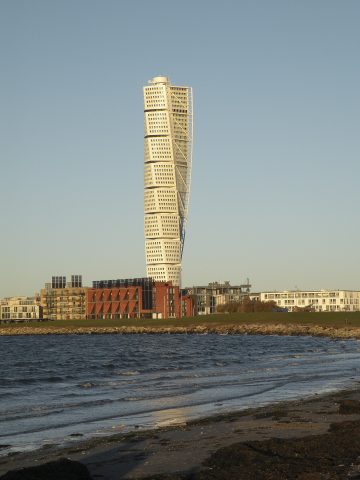
Malmö’s Museum of Modern Art sits in what was once the city’s bustling shipyard district, a place where the clatter of industry has given way to the quiet hum of creativity. The building itself tells the story of this transformation—its red-brick facade and steel beams echo the area’s industrial past, while the airy, light-filled galleries inside feel like a natural extension of the city’s streets. There’s no grand entrance or imposing staircase here; instead, the museum invites you in as if it were just another part of Malmö’s daily rhythm, whether you’re stopping by for a coffee, a quick look at the latest exhibition, or an hour lost in a book from the library.
The collection spans the 20th and 21st centuries, but it’s not bound by traditional definitions of modern art. You’ll find works by Scandinavian artists alongside pieces by European avant-garde figures and creators from farther afield. The museum has a particular interest in art that engages with the world beyond the canvas—social movements, political shifts, environmental concerns, and questions of identity. Exhibitions rotate frequently, and even the permanent collection feels dynamic, with curators often reimagining how pieces are displayed to keep them fresh and relevant. It’s less about preserving a fixed narrative and more about letting the art breathe and evolve alongside the people who encounter it.
The building, designed by architect Klas Anshelm in the 1970s and later renovated, balances raw industrial character with contemporary openness. The original structure’s rugged materials remain, but the 2009 redesign introduced modern touches that make the space feel welcoming rather than austere. High ceilings and large windows flood the galleries with natural light, and the layout encourages wandering rather than following a prescribed path. There are no labyrinthine corridors or cramped rooms—just a sense of freedom to explore at your own pace.
Beyond exhibitions, the museum is a hub of activity that spills into the city. Lectures, workshops, film screenings, and concerts are regular occurrences, often blurring the line between audience and participant. Local artists sometimes work on projects in the galleries, turning the museum into a temporary studio, while school groups and casual visitors mix in the same spaces. In the summer, the inner courtyard becomes a gathering spot, hosting small festivals where art, music, and street food coexist. It’s a place where the boundaries between the institution and the city dissolve, where you might come for a specific exhibition but end up staying for the atmosphere.
The museum’s library is one of its quieter treasures. Unlike the hushed, intimidating archives you might find elsewhere, this space feels lived-in and accessible. Shelves are stocked with art books, exhibition catalogs, photography collections, and niche publications that aren’t easy to find elsewhere. Visitors are encouraged to pull a book from the shelf, settle into one of the comfortable chairs by the windows, and read with a view of the waterfront. Occasionally, the library hosts artist talks or book launches, turning it into a venue for conversation as much as reflection.
What makes this museum different is its refusal to be a temple of art. There’s no pressure to approach the works with reverence or to follow a set of rules about how to experience them. You can wander the galleries without a plan, linger in front of a piece that catches your eye, or skip the exhibitions entirely and spend your time in the café, watching how the light shifts across the walls. The museum doesn’t demand your attention—it simply offers itself as a space for curiosity, whether that means engaging deeply with a single artwork or just enjoying the rhythm of the place.
The museum is also part of a larger network of cultural institutions in southern Sweden, which allows it to collaborate on major exhibitions and share collections. This means that works rarely seen outside their home museums sometimes make their way to Malmö, while local artists gain opportunities to showcase their work on a broader stage. The exchange keeps the museum’s offerings dynamic and ensures that even repeat visitors will often find something new.
For those new to Malmö, the museum is a good starting point for exploring the city. It’s a short walk from the central square and the old town, making it easy to combine a visit with a stroll along the waterfront or a meal at one of the nearby restaurants. The surrounding area is a mix of old and new—former warehouses repurposed as offices and lofts stand alongside modern residential buildings, all fitting seamlessly into the industrial landscape. The neighborhood itself feels like an extension of the museum’s ethos: a place where history and contemporary life coexist without friction.
More than just a repository for art, Malmö’s Museum of Modern Art is a living space that grows and changes alongside the city. The art here isn’t sealed off from the world; it’s part of an ongoing conversation, a reminder that culture isn’t just about what’s been preserved but also about what’s happening now. Whether you’re a longtime resident or a first-time visitor, the museum offers a way to see Malmö—and the world—through a different lens.