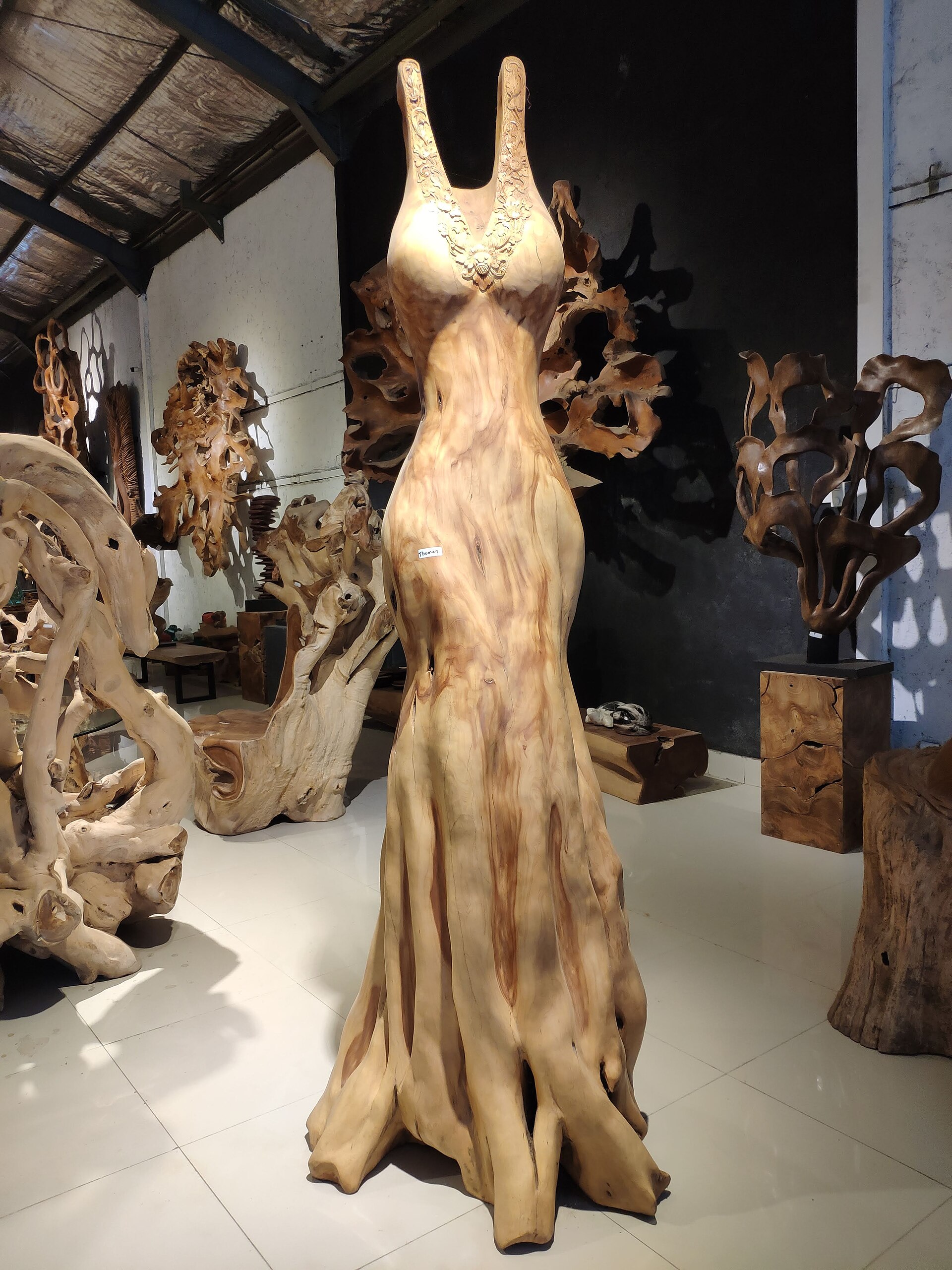
Nestled among the emerald rice terraces and dense tropical foliage of Ubud, the Rudana Museum feels less like a traditional gallery and more like a living extension of Bali’s natural and artistic soul. Founded in 1995 by Nyoman Rudana, a painter and patron of the arts, the museum was conceived as a space where creativity could flourish in harmony with the island’s landscapes and traditions. Unlike the sterile white walls of conventional museums, here art spills into gardens, ponds, and even small waterfalls, as if the paintings themselves have taken root in the earth.
The architecture of the museum is a testament to Bali’s aesthetic heritage. The buildings follow traditional design, with open-air galleries, intricately carved wooden doors, and stone statues that greet visitors at every turn. Inner courtyards are adorned with lotus ponds, while the walls of the galleries feature murals depicting scenes from Balinese mythology. The roofs, tiled using age-old techniques, lend the entire complex an air of timeless authenticity, blending seamlessly with the surrounding greenery.
The museum’s collection spans decades of Balinese art, from early 20th-century classics to contemporary experiments. Works by masters like I Gusti Nyoman Lempad, known for his meticulous detail and rich symbolism, share space with the vibrant, almost dreamlike compositions of I Gusti Ketut Kobot. Nyoman Rudana’s own paintings often explore themes of nature and spirituality, reflecting the deep connection between art and the island’s cultural identity. Each piece tells a story, whether it’s a depiction of a sacred ritual or a quiet moment in a village.
What sets the Rudana Museum apart is its deep ties to the local community. Rudana didn’t just collect art—he nurtured it, offering young artists a platform to exhibit and grow. Today, the museum continues this legacy through workshops, lectures, and temporary exhibitions that showcase emerging talent. It’s a place where art isn’t confined to frames but evolves alongside the island, shaped by the hands of those who call Bali home.
A visit here is a slow, immersive experience. There are no rigid itineraries or mandatory audio guides; instead, visitors are free to wander at their own pace, lingering where they please. One gallery might feature paintings of traditional Balinese dances, their movements captured in swirls of color, while another offers landscapes so vivid they seem freshly painted. Outside, sculptures emerge from the gardens like natural formations, their forms echoing the curves of the surrounding foliage.
The museum isn’t just about art—it’s about the spirit of Ubud. The town has long been a magnet for artists, writers, and musicians drawn to its creative energy. The sound of gamelan music drifting from a nearby temple, the morning mist rising over rice fields—these are the rhythms that inspire the work displayed here. The museum feels like a natural part of this ecosystem, a place where the boundaries between art and life blur.
For many, the Rudana Museum is a window into Balinese culture itself. The paintings reveal how tradition and modernity coexist on the island, how ancient beliefs find expression in contemporary art, and why creativity is woven into the fabric of daily life. Some works depict religious ceremonies, others the quiet routines of village life, but all offer a glimpse into the island’s soul. It’s a reminder that for Balinese people, art isn’t just an occupation—it’s a way of being.
Time moves differently here. You might spend an hour or an entire day, drifting from one gallery to the next, pausing on a bench in the garden, or watching koi glide beneath the surface of a pond. There’s no rush, no checklist of must-see pieces—just the quiet pleasure of letting the art speak to you. Perhaps that’s why so many return, drawn back by the sense of harmony that makes this place unlike any other. It’s not just a museum; it’s a conversation between the past, the present, and the land itself.