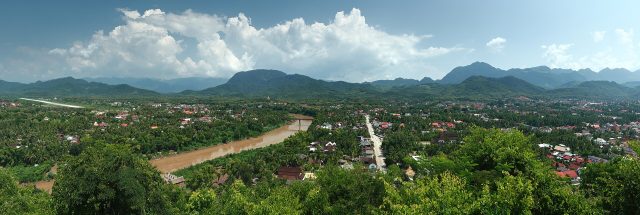
Ubud
Indonesia · 10 places
Photo: Chainwit, CC BY-SA 4.0
Ubud
Ubud is where Bali’s jungle meets daily life. The air smells of frangipani and woodsmoke from kitchens. Gamelan rehearsals drift from village pavilions, artists chat in open-air studios, and rice stalks rustle in the wind. It’s not the Bali of beaches or resorts—those are nearby—but a place where people slow down. You might trace the grain of a teak carving in a back-alley workshop or sit on a bamboo bench, watching light shift over the paddies.
Jalan Raya is lined with cafes, batik shops, and stalls selling baskets and silver jewelry. But the real Ubud hides just off the main road. Turn down a side street, and you’ll find narrow lanes with family compounds. Carved stone gates peek through bougainvillea. Behind them, courtyards hum with daily life—women fold palm leaves into offerings, men adjust shadow puppets, children chase chickens. Artisans here work with traditions passed down for generations. A batik painter’s brushstrokes or a mask-maker’s chisel moves with quiet precision. Time feels different here, especially at dusk, when fireflies flicker over the rice fields.
Nature is part of life in Ubud, not just scenery.
The Tegallalang rice terraces are a short drive from the center. They’re a system of irrigation channels and communal labor, some centuries old. Farmers work the slopes with the same methods as their ancestors. You can walk the narrow paths between the fields, where damp earth smells thick and water trickles through canals. In the wet season, the terraces glow green; in the dry months, they turn golden. Nearby, the Sacred Monkey Forest is another world. Long-tailed macaques lounge in branches. They’ll grab sunglasses or a phone—it’s part of the experience, a reminder that humans are visitors here.
Food in Ubud surprises. The town is Bali’s culinary heart. You’ll find sate lilit on lemongrass skewers and crispy babi guling turning on a spit. But the real finds are in side-street warungs. Locals eat lawar—a mix of shredded vegetables, coconut, and sometimes meat, tossed with lime and chili. Or bebek betutu, duck slow-cooked in banana leaves until the meat falls from the bone. Coffee is just as good. Try kopi luwak or a simple black brew from beans grown on nearby slopes. Mornings often start with a cup and a jungle view, where waterfalls hide behind vines and temple spires peek through the canopy.
Ubud stays itself. No high-rises, no neon. By evening, the streets quiet. Frogs call in the distance, motorbikes clatter occasionally. Festivals—Galungan celebrations or Ogoh-Ogoh parades—unfold as they have for generations. Ubud doesn’t try to impress. It’s a place where past and present coexist. It rewards those who linger. Get lost in back alleys, talk to a silversmith, or sit still long enough to see how light slants through the trees at dusk.
See & Do
All of them


Places on the map
Marker colour follows the categoryClimate and weather
Detailed weather: Ubud- Average temperature
- 28 °C
- Precipitation per year
- 1562 mm
- Sunshine hours per day
- 8.3 h
Average air temperature
°C
28
28
28
28
28
27
27
27
27
28
28
28
Jan
Feb
Mar
Apr
May
Jun
Jul
Aug
Sep
Oct
Nov
Dec