The Regional Museum in Nowy Sącz is one of those quiet places where history feels tangible, not just through exhibits but through the very walls that hold them. Housed in a building that has witnessed centuries of change, the museum occupies what was once the town hall and later a courthouse. Its thick stone walls, high ceilings, and heavy wooden doors speak of a time when Nowy Sącz was a key administrative hub under the Austro-Hungarian Empire. Today, the museum preserves the layers of that past, from medieval artifacts to personal belongings of people who lived through wars and upheavals.
The collection here is far from one-dimensional. Archaeological finds reveal the region’s ancient roots—fragments of pottery, tools, and jewelry that hint at early settlements. A significant portion of the exhibits focuses on the town’s own history, with old maps, photographs, and documents painting a picture of Nowy Sącz through the ages. One of the most striking periods represented is the 19th century, when the arrival of the railway transformed the town into a vital link between Galicia and the rest of Europe. Alongside these grand narratives, everyday objects—clothing, kitchenware, and tools—offer a glimpse into the lives of ordinary people from generations past.
A particularly compelling section of the museum is dedicated to ethnography. Nowy Sącz and its surroundings have long been a crossroads of cultures—Polish, Jewish, Ruthenian, and German—each leaving its mark on the region. Traditional costumes, handcrafted tools, and religious artifacts illustrate this diversity. The exhibits related to the Jewish community are especially moving, featuring items from synagogues, photographs of vanished neighborhoods, and personal belongings of people whose lives were cut short by war. These objects carry the weight of absence, a reminder of a community that once thrived here.
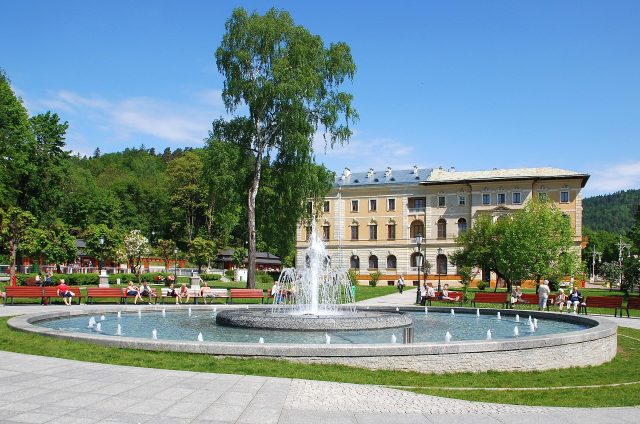
The building itself is a piece of history. Constructed in the late 18th century, it blends late Baroque and neoclassical elements, with pilasters and stucco adorning the facade. Inside, original vaulted ceilings and wooden beams have survived, though traces of later renovations remain visible—like niches that once held stoves or faded fragments of wall paintings. The structure has been altered over time, yet its core remains intact, lending the museum an atmosphere of continuity. Walking through its halls feels like stepping into a space where the past lingers in the details.
Beyond its permanent collection, the museum engages with history in a more dynamic way. Temporary exhibitions often tackle difficult subjects, such as the impact of world wars on local residents or the transformation of the town’s landscape in the 20th century. Lectures, discussions with historians, and workshops on traditional crafts occasionally take place here, turning the museum into a living space for dialogue. For those curious about the region’s past, it serves as a starting point—from here, visitors can explore the old town, where medieval streets, remnants of defensive walls, and historic buildings tell their own stories.
Nowy Sącz isn’t a place that draws crowds of tourists, and that’s part of the museum’s charm. There’s no rush here, no need to hurry past exhibits. The reading room holds old books and documents, while the quiet courtyard offers a place to sit and reflect. Even in summer, the thick walls keep the interior cool, creating a sense of timelessness. It’s the kind of place where you can linger, where the weight of history isn’t overwhelming but quietly present.
For locals, the museum is more than a repository of artifacts—it’s a connection to their own heritage. Many families contribute personal items: photographs, letters, heirlooms passed down through generations. Some of these become part of the exhibits, while others remain in storage, but all of them help keep the museum alive. It’s not just a collection of dusty objects but a place where the past is still being discovered and preserved.
Visiting the Regional Museum in Nowy Sącz is a chance to encounter history in its most human form. There are no grand reconstructions or flashy displays here, just objects that were once held, used, and cherished by real people. The town itself, often overlooked in favor of more famous destinations, reveals its depth through these stories. It’s a place where the past isn’t just remembered—it’s still felt in the quiet corners of the museum and the streets beyond.