Nestled in the gentle foothills of the Carpathian Mountains, Krynica-Zdrój feels like a place where time has settled into a slower rhythm. The air carries the scent of pine and mineral springs, and the town unfolds in a quiet valley surrounded by low, forested ridges. It’s a place that has long drawn visitors not just for its healing waters, but for the way it balances nature, history, and a sense of unhurried living.
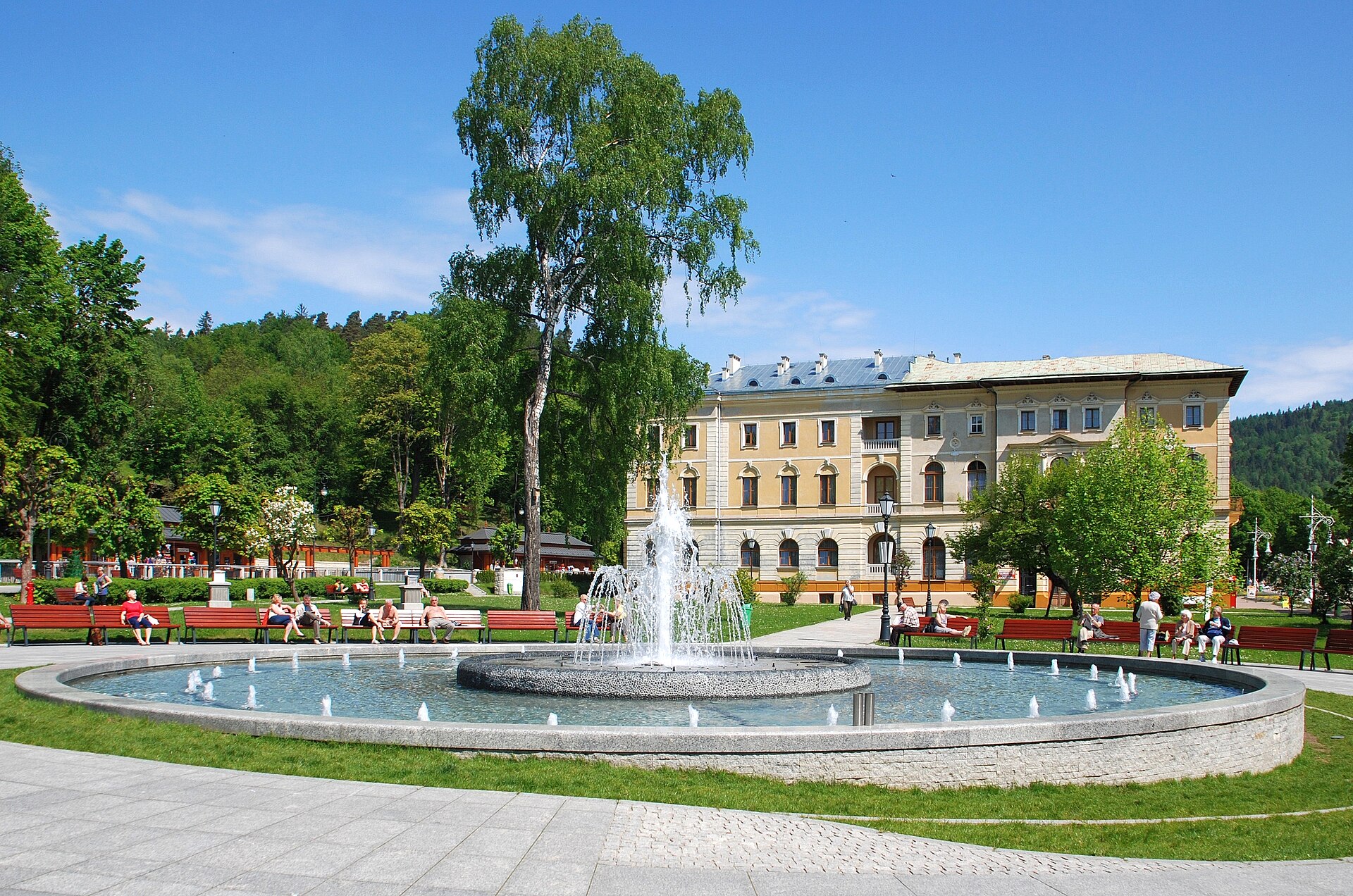
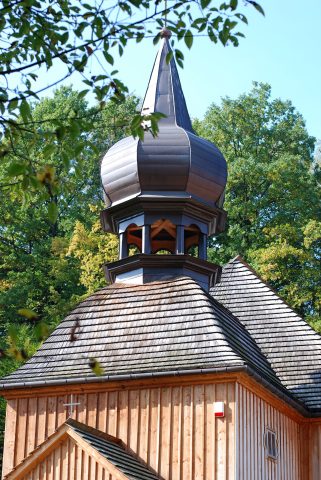
The town’s origins trace back to the 16th century, when local highlanders—known as *górale*—discovered the therapeutic properties of its springs. For centuries, Krynica remained a modest settlement, its potential untapped until the 19th century, when it became a fashionable retreat for Austrian and Hungarian aristocracy. The boom in popularity brought grand villas, elegant sanatoriums, and landscaped parks, many of which still stand today. Walking through the town, you’ll find a mix of architectural styles: wooden *górale* cottages with steep roofs sit alongside ornate Art Nouveau mansions and neoclassical buildings. The most striking of these is the Main Spa House, built in the early 1900s, with its high ceilings, intricate stucco work, and wide verandas that seem to invite long, leisurely afternoons.
Krynica’s mineral waters are its defining feature, each with its own distinct taste and purpose. Some are salty, others rich in sulfur or carbon dioxide, and they’re used for everything from therapeutic baths to inhalation treatments. The town’s *pijalnia*—small pavilions where visitors can sample the waters—are scattered throughout the parks and streets. The most famous is the *Źródło Słoneczko*, where the water has a faintly briny, metallic tang. Locals joke that drinking too much of it will leave you feeling like you’ve swallowed a mouthful of sea air. Whether or not that’s true, the ritual of filling a cup from the spring and taking a sip is part of the town’s charm.
The surrounding mountains offer plenty of ways to explore. A popular hike leads to the summit of Jaworzyna, about an hour’s climb from the town center. From the top, the view stretches across Krynica and the distant ridges of the Beskid Mountains. For those who prefer a gentler ascent, a funicular runs up to Park Mountain, where the trails are shorter and the views just as rewarding. In winter, the slopes become a quiet alternative to larger ski resorts, with a handful of lifts and runs that rarely feel crowded.
Krynica’s atmosphere shifts with the seasons. Summer brings a steady stream of visitors, drawn by the promise of fresh air and outdoor activities. Winter attracts skiers and those looking for a peaceful retreat, while spring and autumn offer a quieter, more introspective experience. The parks empty, the streets grow still, and the mist that often settles over the valley gives the town a dreamlike quality. It’s a place where the changing light and weather become part of the rhythm of the day.
Food here is hearty and rooted in the traditions of the Carpathian highlanders and the rural communities of the region. Meals often start with a thick soup, like *żurek* served with homemade noodles, or a rich broth made with local mushrooms. Main dishes might include game stews, potato pancakes topped with melted cheese and crispy bacon, or the classic Polish *pierogi* stuffed with cabbage and wild mushrooms. Many restaurants and cafés source ingredients locally—berries, honey, and foraged greens appear on menus in season. Some places even serve homemade apple wine, a light, slightly sweet drink with a hint of tartness, made from the orchards that dot the surrounding hills.
Unlike more commercialized destinations, Krynica doesn’t try to be anything other than what it is. There are no neon signs, no souvenir shops on every corner, no crowds jostling for space. Instead, there are quiet streets lined with old trees, the crunch of snow underfoot in winter, and the rustle of leaves in summer. It’s a place for those who prefer their travels unhurried—a town where you might spend a week wandering the parks, filling bottles with mineral water, or simply sitting on a bench watching the light change over the mountains.
The town has long been a retreat for artists and intellectuals. In the 19th and early 20th centuries, writers, painters, and musicians came here to work and recuperate. Among them were the poet Jan Kasprowicz and the composer Ignacy Jan Paderewski, whose names are still visible on plaques outside the villas where they stayed. The local museum offers a glimpse into the town’s past, with exhibits that include vintage postcards and photographs of early visitors—women in long dresses and men in bowler hats, strolling through the same parks that exist today.
Krynica-Zdrój is a place where you can slow down, whether to focus on your health or simply to step away from the pace of modern life. There’s no need to rush. You might start the day with coffee on a café terrace, then set off on a hike, or spend the morning reading in one of the parks. Evenings are quiet, with only the glow of streetlights reflecting on the cobblestones. It’s the kind of town where the days feel longer, not because there’s more to do, but because there’s less pressure to fill them.