The Lipizzaner Museum in Sežana is where the story of one of the world’s most celebrated horse breeds intertwines with Slovenia’s cultural heritage. This is the land where Lipizzaners were born, and the museum offers more than just facts about these elegant animals—it invites visitors to step into an era when horse breeding was not merely a craft but an art passed down through generations.
Though the Lipizzaner is most famously associated with Vienna’s Spanish Riding School, its origins lie in Slovenian soil. The breed was developed in the 16th century when the Habsburgs established a stud farm in Lipica, a small village near Sežana. The name itself comes from this place, and the museum nearby preserves the legacy of a time when horses were central to the lives of local people. The Lipizzaner wasn’t just a working animal; it was a symbol of prestige, skill, and the deep bond between humans and their horses.
The museum occupies a historic building that was once part of the larger equestrian complex. Its architecture is unassuming yet striking—thick stone walls, wooden beams, and high ceilings that give a sense of solidity and space. Inside, the exhibits go beyond the horses themselves, showing how the Lipizzaner shaped the region’s identity. Visitors can see antique harnesses, saddles, documents, photographs, and even personal belongings of those who dedicated their lives to raising and training these animals. Each item tells a story, whether it’s a well-worn riding boot or a handwritten ledger of breeding records.
One of the most compelling parts of the museum is its account of the Lipizzaner’s near-extinction during World War II. In 1943, as the front lines advanced toward Slovenia, the horses were evacuated first to Austria and then to Czechoslovakia. Many perished along the way, and the breed’s survival hung by a thread. The museum doesn’t shy away from this dark chapter, displaying letters, diaries, and military records that reveal the desperate efforts to save the horses. It’s a reminder of how fragile even the strongest traditions can be in the face of war.
Today, the Lipizzaner remains a national symbol of Slovenia, and the museum in Sežana is more than just a collection of artifacts—it’s a living tribute to the enduring relationship between humans and horses. Guided tours offer a chance to hear the breed’s history firsthand, and visitors might even catch a glimpse of the horses in their stables or watch a training session. The atmosphere is warm and welcoming, as if each exhibit has been carefully preserved not just for display but to keep its story alive.
For anyone with an interest in history, architecture, or equestrian culture, the Lipizzaner Museum is a rewarding stop. It’s not a vast institution, but that’s part of its charm. There’s no rush here, no overwhelming crowds—just the quiet opportunity to absorb the details at your own pace. The exhibits are thoughtfully arranged, allowing visitors to linger over items that catch their eye, whether it’s an intricately tooled saddle or a faded photograph of a rider from decades past.
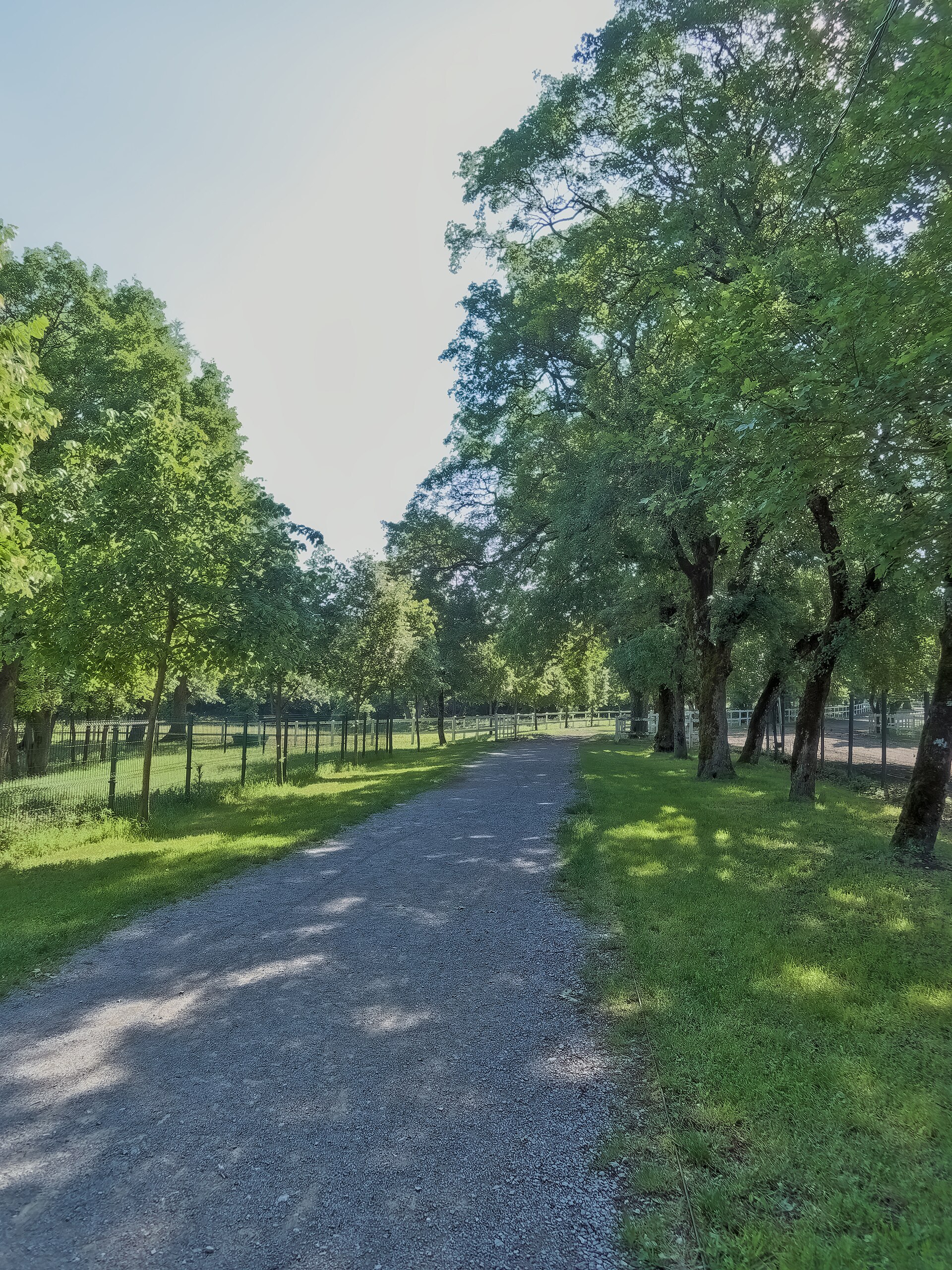
Beyond the museum, the surrounding countryside of Sežana still bears traces of the Lipizzaner’s legacy. Rolling pastures and working stud farms dot the landscape, a testament to the breed’s continued presence in the region. The horses aren’t just relics of the past; they’re a living tradition, one that connects the present to the centuries of care and craftsmanship that came before. A visit here doesn’t just end with the museum—it lingers in the memory, a quiet reminder of how deeply some stories are woven into the land.