The heavy red-brick doors open into a building that once housed the provincial government in the late 1800s. High ceilings, arched windows, and thick walls designed in Finnish Neo-Renaissance style frame the space. The light here is soft, northern—enough to read by, but never harsh. This building wasn’t just an office; it was where decisions were made that shaped the region.
Instead of timelines and plaques, the museum hands you objects. A wooden spoon from the 1800s, smooth from use. A recording of a folk song, sung in a dialect now fading. A merchant’s ledger, its pages filled with prices and trades from the market by Lake Kallavesi. You don’t just look at these things; you hold them, listen to them, imagine the hands that once did the same.
The focus is on the everyday. How farmers worked the land around Kuopio. How blacksmiths shaped iron into tools. How boats carried goods across the lake. These aren’t grand events—they’re the small, repeated actions that built a town.
In the 19th century, Kuopio became a center for Finland’s national awakening. The museum keeps this history in objects: a copy of the first Finnish-language newspaper, a handwritten letter from an activist, a printing press that once ran day and night. Swedish was the language of power then, but these items tell a different story—one of people fighting to speak their own words.
A well-worn coat. A pen with a cracked nib. A single page of a manuscript. Each carries the weight of that struggle.
Savo’s forests and lakes have always defined life here. The museum shows this through taxidermied animals, mineral samples, and an interactive map of the changing landscape. But the most telling artifacts are the tools: fishing nets still tangled with old knots, hunting gear worn from use, wooden boats that once cut through the waters of Kallavesi. These aren’t just old things—they’re proof of a way of life that lasted for generations.
The museum doesn’t only look backward. Temporary exhibitions bring in modern themes—photography, social issues, local art. Past displays have covered rural life, environmental challenges, and the work of contemporary artists. Kuopio often stars in these shows, especially its role as an educational hub, home to one of Finland’s oldest universities. The city isn’t just a backdrop; it’s part of the story, still being written.
If you visit, don’t expect a grand, polished history. This is a museum about ordinary lives—how they were lived, how they shaped the place. Afterward, you might see Kuopio differently. The streets, the lakes, even the people walking by—they all carry traces of what came before.
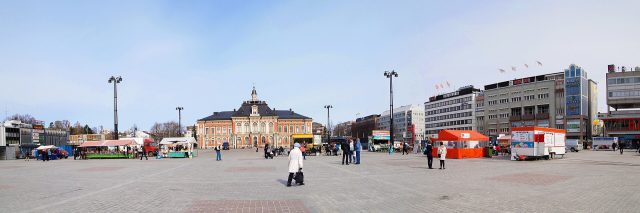
The museum sits a short walk from the market square, the cathedral, and the waterfront. After your visit, you could stop in a café, browse a bookshop, or walk along Lake Kallavesi. The building itself, with its red brick and quiet halls, stays with you. Not because it’s impressive, but because it feels real.