The past isn’t behind glass here. You hear it in the crackle of a clay pot fired in an open hearth, see it in the way a cowhide shield still bears the marks of use, and feel it in the weight of a wooden spoon worn smooth by generations of hands. The museum sits in KwaZulu-Natal, where Zulu people have lived for centuries. The land is the same: hills roll into the distance, acacias dot the horizon, and the air smells of earth and woodsmoke.
The buildings follow the shape of a *kraal*—round huts with thatched roofs arranged around a central space. There are no straight lines or sharp corners. Inside, the light moves like it does under trees, shifting as the sun climbs. The layout isn’t random; it mirrors how a village works, where every hut has a purpose and every path leads somewhere.
One exhibit shows a homestead. A low bed made of woven grass, a three-legged iron pot, a mortar for grinding maize. These aren’t relics; they’re tools people still use. Nearby, a woman demonstrates how to weave a basket from ilala palm. She doesn’t explain much—just shows the motion of her hands, the way the strands tighten into shape. The basket will hold grain, or maybe a child’s clothes. It’s ordinary, and that’s the point.
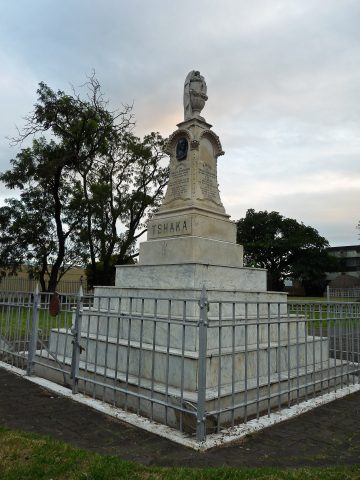
Another section covers Zulu military history. Spears lean against the wall, their blades short and broad. Shields hang beside them, their patterns marking clan and rank. The museum shows how King Shaka built an army that changed southern Africa. It doesn’t glorify war. It shows the Battle of Isandlwana—where Zulu warriors defeated British soldiers armed with rifles—and lets the facts speak. The shields, the spears, the stories of men who fought here: they’re not just old things. They’re part of how Zulu people understand themselves today.
You can try things yourself. A man teaches how to carve a spoon from wood. The knife is sharp, the wood pale and soft. He doesn’t say much, just corrects your grip. The spoon won’t be perfect, but it’ll hold food. Later, a group dances. Their feet stomp the dirt, drums keep time, voices rise and fall in call-and-response. The sound fills the courtyard, and for a moment, the museum isn’t a museum anymore.
The Zulu language is everywhere. Exhibits play recordings of stories and songs. One tells of a hare who outsmarted a lion; another is a song sung while grinding maize. The words aren’t translated, but you don’t need to understand to hear the rhythm. KwaDukuza means "place of resting." The name fits. People sit on benches under the trees, talking, laughing, sometimes just watching the clouds.
Outside, a small park grows plants used for medicine and food. Aloe vera for burns, wild spinach for stew, maize for porridge. A woman tends the garden. She points to a plant and says its name: *imbuya*. It’s bitter, she says, but good for you. The garden isn’t pretty. It’s useful.
The people who work here don’t act like experts. They’re weavers, carvers, farmers, storytellers. They don’t give lectures. They show, they tell, they let you try. A man hands you a spear and says, "Hold it like this." The wood is heavier than you expected. He smiles. "Now you know."
When you leave, the museum stays with you—not as a memory of things seen, but as a sense of how life is lived. The wind still moves through the grass. Children still play in the dust. A woman still weaves a basket, her hands moving in the same rhythm they have for centuries.