Barreirinhas and the Museum of Culture and History of the Lençóis Region
Barreirinhas sits where the Preguiças River spills into the Parnaíba. The land here has always been shaped by water—first for Indigenous communities, later as a trade route to the coast. The museum occupies a building from the early 1900s, when Barreirinhas thrived on cotton and cattle. The house itself is a relic: thick clay-and-brick walls, high ceilings, and wooden shutters designed to keep out heat and dust. Inside, carved wooden beams, wrought-iron grilles, and heavy doors with old locks remain.
Instead of grand historical events, the museum tells the story of everyday life. One room holds Indigenous artifacts—clay pots, stone tools, and ornaments made from shells and seeds. Another covers the colonial period, with weapons, coins, and documents from early encounters between native communities and Portuguese settlers. But the most moving displays belong to farmers, artisans, and their families. Handmade tools, rough-spun clothing, and children’s toys woven from grass fill the cases.
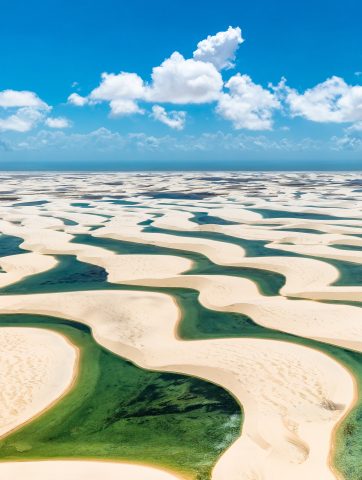
The Lençóis region is a landscape of contrasts—savanna meets rainforest, and white dunes stretch toward the horizon. The name *Lençóis* means "sheets" in Portuguese, referring to the wind-sculpted sands. The museum captures this connection. One exhibit recreates a traditional home, its walls lined with photographs of rivers and dunes, its shelves holding objects crafted from gourds, wood, and leather. Nearby, displays explain how locals adapted: building houses on stilts, using cactus dye for textiles, and turning buriti palm fruit into oil and wine.
Slavery shaped the region’s history. In the 19th century, Barreirinhas was a hub of the slave trade. The museum includes shackles, bills of sale, and photographs of formerly enslaved people after abolition in 1888. There are also stories of resistance—runaway communities and capoeira, the martial art born from enslaved Africans’ need for self-defense. A display case holds capoeira instruments, their wood worn smooth by generations.
The museum engages with the present. It hosts exhibitions by local artists, workshops on traditional crafts, and talks on preserving natural heritage. Environmental concerns take center stage. One exhibit shows how the landscape has changed—deforested areas, polluted rivers, endangered species. Another highlights conservation efforts.
The courtyard often fills with school groups, tourists, and locals. The small café serves regional dishes—fish in coconut milk, stuffed bananas, sweet cornmeal cakes.
For travelers drawn to the region’s natural beauty, the museum offers context. The dunes aren’t just a tourist attraction; they’ve shaped lives for centuries. Exhibits explain how the sands formed, the legends they’ve inspired, and why they matter. They show how people and nature are intertwined—rivers that sustained villages, dunes that fueled art, forests that fed generations.
This is a museum without pretense. Its strength lies in its authenticity. For anyone passing through Barreirinhas, it’s a place to pause and connect the landscapes outside to the stories that gave them meaning.