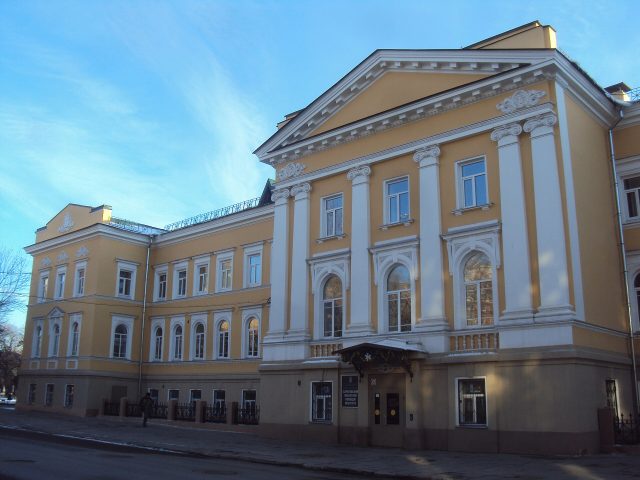
The Museum of the Black Sea Fleet’s History in Novorossiysk is one of those places where the past doesn’t just feel preserved—it feels alive. Housed in a former merchant’s mansion from the late 19th century, the building itself carries the weight of the city’s layered history. High ceilings, intricate moldings, and heavy wooden doors speak of a time when this was a place of commerce, not memory. Now, the rooms hold something far more enduring: the stories of sailors, ships, and the sea that shaped not just a fleet, but an entire region.
The museum’s exhibits begin with the founding of the Black Sea Fleet in the 18th century, when Catherine the Great ordered the establishment of a naval base in the south. Back then, the fleet was more than a military force—it was a tool of expansion, trade, and diplomacy. Models of early sailing ships, battle maps, and personal belongings of admirals and sailors fill the first halls. The Crimean War takes center stage here, not with grand narratives of heroism, but with the raw facts: the siege of Sevastopol, the defense of Malakhov Kurgan, the sinking of ships in the harbor. These events were a turning point, revealing both the importance of naval power and the cost of strategic missteps.
A separate section covers the revolutionary period and the Civil War, when Novorossiysk became a critical port for arms, supplies, and people. In 1920, the Black Sea Fleet was scuttled in the Tsemes Bay to prevent it from falling into White Army hands. The museum preserves the orders, diaries, and photographs from those days—images of ships slipping beneath the waves, their masts disappearing into the water. The exhibits don’t judge; they simply present the chaos of the time, showing how decisions made in haste altered countless lives.
World War II is another defining chapter. Novorossiysk earned the title of Hero City for its resistance, and the museum details the battles, the landing at Malaya Zemlya, and the role of sailors fighting on land when ships were scarce. Weapons, personal items, and photographs of a ruined city and its people bring the war’s human cost into sharp focus. The exhibits also highlight the Novorossiysk naval base, which played a crucial role in defending the Caucasus. Here, the war isn’t just about strategy—it’s about the individuals who endured it.
The postwar years are shown through the lens of recovery. As Novorossiysk rebuilt, so did the fleet. Models of modern ships, documents on shipyard construction, and photographs of the bustling port reflect the city’s revival. The museum also covers the fleet’s peacetime roles—scientific expeditions, rescue missions, and the daily lives of sailors. There’s no glossing over reality, but neither is there a dismissal of the efforts to rebuild and maintain strength in a changing world.
More recent history is represented through exhibits on the contemporary Black Sea Fleet. Visitors can learn about its structure, evolving technology, and the shifting demands of naval warfare. Models of new ships, equipment samples, and images of drills and parades fill the halls. Yet the focus remains on the people who serve today—their professionalism, dedication, and the quiet readiness to defend their country. The museum keeps pace with these changes, ensuring the exhibits stay relevant.
Walking through the museum isn’t like flipping through a textbook. The atmosphere is quiet, almost contemplative, inviting visitors to linger over the details. There’s no grand spectacle here, no forced drama—just the weight of history, presented honestly. The exhibits don’t lecture; they engage, leaving room for reflection on how fragile peace can be and how much it depends on those who protect it.
Novorossiysk has always been a city of resilience, and this museum helps explain why. It’s not just about the fleet—it’s about the city, its people, and how the sea has shaped their identity. Spending time here means moving from one era to the next, examining photographs, reading documents, and listening to guides. With each visit, something new emerges—not just about the fleet, but about how history connects to the present, and to the lives of those who walk through its doors.