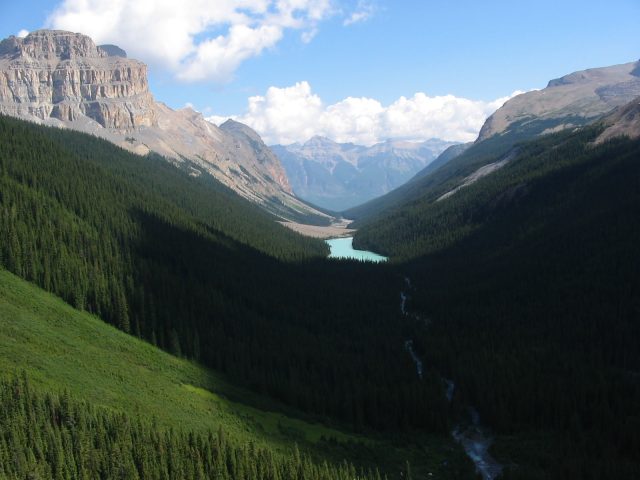
Novorossiysk
Russia · 9 places
Photo: Галин Владимир Петрович, Public domain
Novorossiysk
Novorossiysk doesn’t reveal itself immediately. The city’s quiet rhythm unfolds slowly, shaped by the sea, the mountains, and the docks. There are no golden domes or ancient fortresses—just Tsemes Bay, one of the Black Sea’s most sheltered harbors, where the water meets the shore in a way that feels both ordinary and deeply tied to the place.
This is a working city, rough around the edges. Unlike the polished resort towns further down the coast, Novorossiysk doesn’t cater to tourists. Ships come and go, cranes loom over the waterfront, and the air carries the salt of the sea mixed with the faint metallic tang of industry. The streets aren’t crowded, but there’s a steady hum—trucks rumbling toward the docks, fishermen mending nets, the occasional blast of a ship’s horn.
Founded in the mid-19th century as a military outpost, Novorossiysk grew into one of Russia’s most important ports. During World War II, the city became a battleground. The hills around Cape Myshakho, known as the "Fiery Land," saw fierce fighting. The Malaya Zemlya Museum holds personal artifacts and wartime relics from those days.
The port remains one of the country’s largest. Tankers load oil, container ships line up at the docks, and naval vessels pass by. Beyond the industrial sprawl, the countryside offers a quieter side. The rocky shores near Abrau-Dyurso feel remote, where the sea crashes against cliffs. Lake Abrau, the largest freshwater lake on the Caucasus Black Sea coast, reflects the sky in summer and frost in winter.
Life here moves at its own pace. There are no grand promenades or endless beaches, just small stretches of sand where locals soak up the sun. The city doesn’t try to impress—it simply exists, shaped by the wind, the waves, and the comings and goings of ships.
In autumn and winter, the sea turns restless, the mountains vanish into mist, and the port’s operations continue. It’s a different kind of beauty, one that doesn’t rely on perfection.
Novorossiysk refuses to perform. It isn’t a glamorous getaway or a historical theme park. Instead, it offers the Black Sea coast as it is: raw and unfiltered. The scent of salt and diesel on the wind, a freighter gliding into the bay at dawn, the quiet of a winter morning—it feels like a place that belongs exactly where it is.
See & Do
9 places
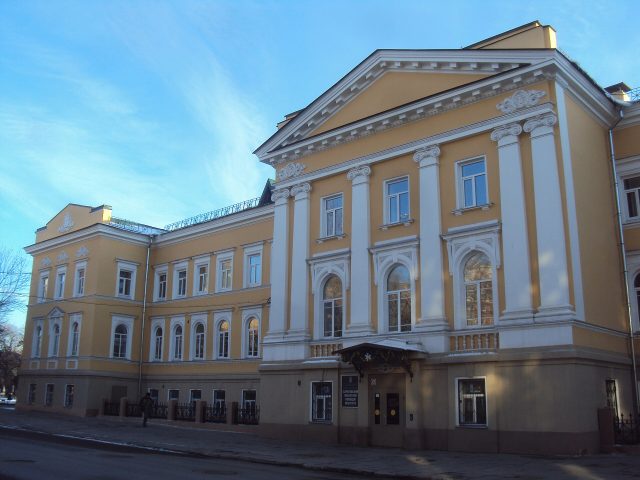


Places on the map
Marker colour follows the categoryClimate and weather
Detailed weather: Novorossiysk- Average temperature
- 14 °C
- Precipitation per year
- 648 mm
- Sunshine hours per day
- 7.1 h
Average air temperature
°C
4
4
7
12
17
22
26
26
20
15
9
6
Jan
Feb
Mar
Apr
May
Jun
Jul
Aug
Sep
Oct
Nov
Dec