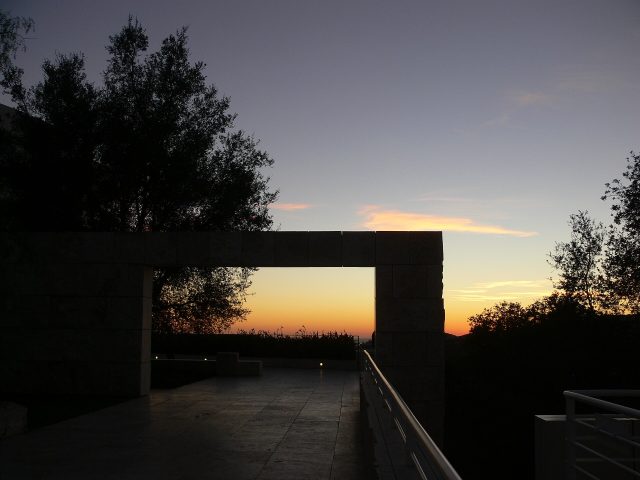
Los Angeles County Museum of Art, or LACMA, isn’t just a place that houses art—it’s a place that feels like art itself. Stretching across a generous plot on Wilshire Boulevard, the museum blends modern architecture with open spaces, where sculptures greet visitors before they even step inside. There’s no sense of stuffy formality here, no attempt to overwhelm with grandeur. Instead, the museum feels like a conversation between different eras and cultures, one that invites you to wander, observe, and maybe even question what you see.
LACMA’s story begins in the mid-20th century, a time when Los Angeles was still figuring out its identity beyond Hollywood and entertainment. Before then, the city wasn’t exactly known for its fine arts scene. In 1961, the museum split from the Los Angeles County Museum of Natural History, and by 1965, it had its own home—a trio of modernist pavilions designed by architect William Pereira. With their clean white walls and flat roofs, these buildings became a symbol of a new era, one where art wasn’t just for the elite but for anyone curious enough to walk through the doors.
Today, LACMA feels like a small city within a city. Its campus is made up of several buildings, each dedicated to a different period or region. The Ahmanson Building, the main structure, holds European art from the Middle Ages to the early 20th century. Here, you’ll find works by Rembrandt, Rubens, Monet, and Van Gogh, though the collection isn’t just about famous names. The galleries dedicated to German Expressionism and French Impressionism stand out—movements that once challenged how people thought about painting.
For those interested in art beyond Europe, LACMA has one of the strongest collections of Asian art outside of Asia. The pavilion dedicated to it includes Buddhist sculptures, Japanese woodblock prints, and Chinese ceramics, offering a glimpse into how creativity flourished across the continent. The Latin American art galleries trace the region’s history from pre-Columbian civilizations to contemporary artists, while the African collection features masks, textiles, and ritual objects that tell stories of cultures long before colonization.
Contemporary art has a special place at LACMA. The museum actively supports living artists, regularly adding new works to its collection. You might encounter installations, video art, or experimental pieces that push boundaries and make you reconsider what art can be. One of the most recognizable works is Chris Burden’s *Urban Light*, an arrangement of 200 vintage streetlamps that has become an unofficial symbol of the museum and a favorite spot for photos.
The architecture of LACMA itself is worth noting. In the 2000s, the campus underwent significant changes, including the addition of the Broad Contemporary Art Museum (BCAM), designed by Renzo Piano. Its glass walls and minimalist design contrast with the older, more traditional buildings, creating a visual dialogue between past and present. More recently, the museum has been undergoing a major transformation, with old structures being replaced by a new, unified complex that will bring all the collections under one roof.
But LACMA is more than just its galleries. The museum hosts lectures, concerts, film screenings, and educational programs for all ages. It strives to be accessible, offering free admission days and events tailored to the local community. In the summer, you might stumble upon outdoor parties with live music, while winter brings festive markets. It’s a place where art feels like part of everyday life, not something distant or untouchable.
The museum’s outdoor spaces are almost as compelling as what’s inside. Visitors can wander among palm trees and sculptures, relax on the lawns, or grab a coffee at the café with views of the city. On warm days, people often picnic on the grass, and in the evenings, the lights create a cozy atmosphere. There’s no rush here—just an invitation to linger, to sit with the art, and to let it sink in at its own pace.
LACMA isn’t just about preserving the past; it’s also about embracing the future. The museum has been a leader in digitizing its collections and offering virtual tours, a shift that became especially important during the pandemic. It was one of the first to move online, providing digital exhibitions and lectures when physical visits weren’t possible. In a city where everything can feel temporary, LACMA remains a constant—a place where art is always within reach, whether you’re standing in front of a masterpiece or exploring it from your screen. It’s a reminder that art isn’t just something to admire; it’s something to live with.