The museum holds the story of one of the Philippines’ most significant urban transformations. Quezon City may not be ancient, but its role in shaping modern nationhood is clear. For decades, it was the country’s capital—a temporary home for government institutions after Manila’s wartime destruction. The exhibits here don’t rely on timelines. Instead, they let objects and voices speak: the decisions made in its halls, the people who walked its streets, the way it grew from a planned administrative hub into today’s metropolis.
The building itself tells part of that story. It occupies an old mansion once owned by one of the city’s influential families. The architecture blends Spanish colonial elegance with local practicality—high ceilings, dark wooden beams, wide windows that soften the light. The space feels lived-in, not staged. Worn banisters and uneven floorboards hint at the lives that unfolded here long before it became a museum.
Why did Quezon City rise to prominence? In 1948, with Manila still scarred by war, the government moved the capital here. The museum captures this moment through photographs of early government buildings, city plans, and personal items belonging to President Manuel Quezon—his books, letters, even the objects he used daily. These aren’t just relics. They show the ideals and compromises that shaped the city’s early years.
By the mid-20th century, Quezon City had become a magnet for artists, writers, and musicians. Theaters, cinemas, and literary cafés thrived, drawing creative minds who shaped its identity. The museum preserves this legacy through faded playbills, performance photographs, and handwritten manuscripts by writers now studied in schools. These figures weren’t just passing through. They put down roots, leaving traces in the city’s fabric.
There’s also the quieter history—the one that unfolded in homes. The museum dedicates space to everyday life: wooden sandals, clay pots, early radios, and children’s toys. A reconstructed 1960s home, with period furniture and decor, offers a sensory time capsule. The scent of old wood, the texture of handwoven fabrics—it’s easy to imagine the conversations that once filled these rooms.
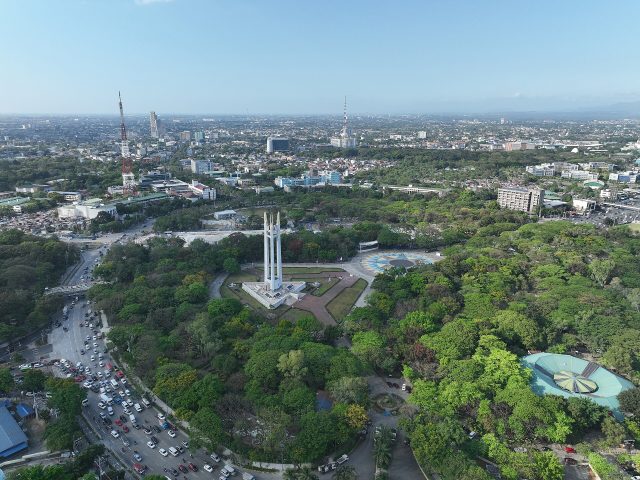
Today, Quezon City is a sprawling urban center where skyscrapers tower over markets and parks. Yet the past persists. Photographs show old neighborhoods standing alongside new developments, traditions enduring amid change. The museum doesn’t romanticize either era. It presents the city as a living entity, shaped by its people.
What stays with you after a visit? Not the weight of history, but its intimacy. Some visitors spend an hour; others linger for half a day, tracing connections between objects and stories. You leave with questions, but also with the sense of having glimpsed something real.
This isn’t a museum for spectacle. It’s for anyone curious about how history is made—not through grand gestures, but through small, human moments. Quezon City emerges as a place with a pulse, a memory, and a story worth listening to.