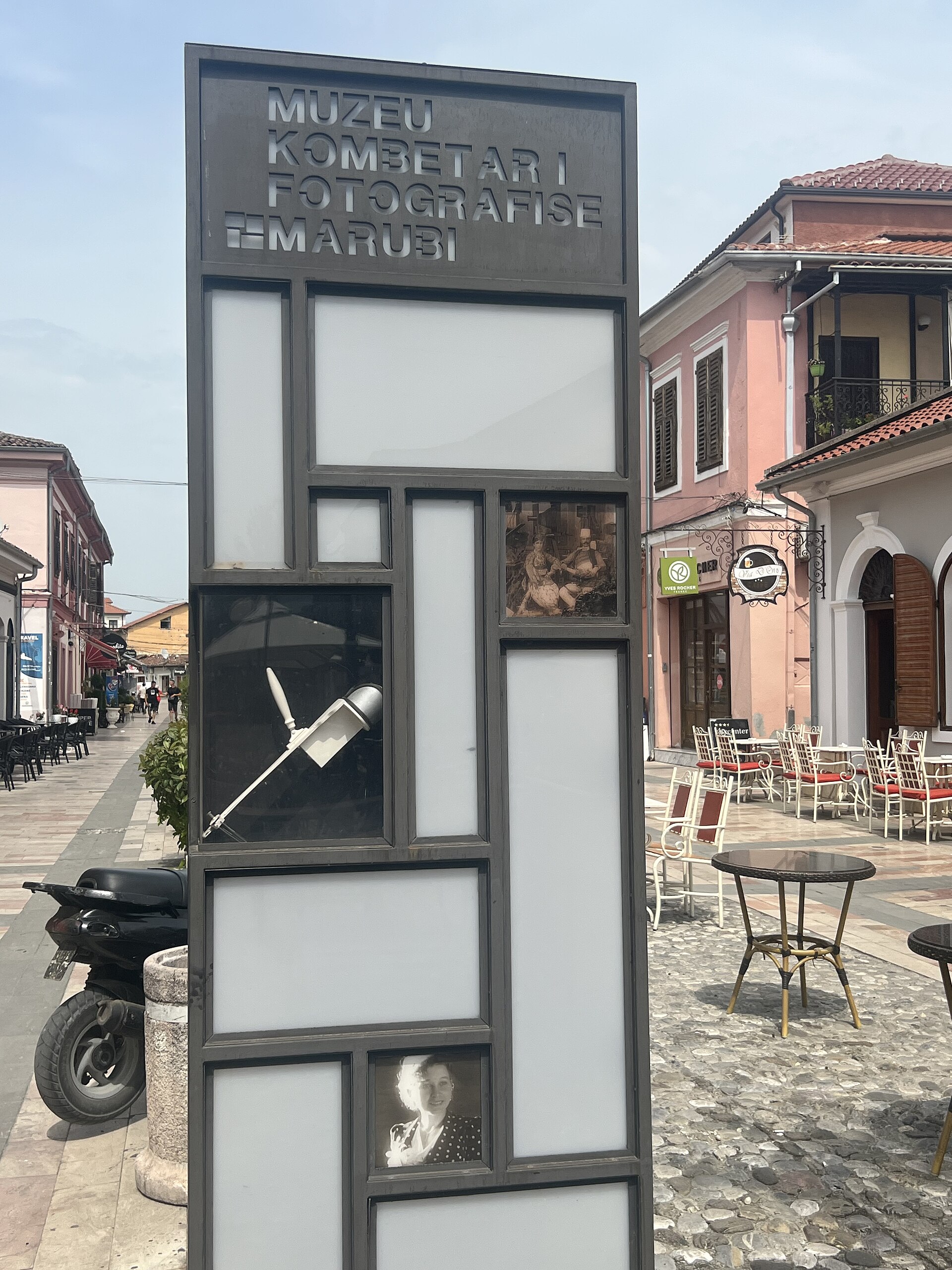
The Marubi Photo Museum in Shkodër is one of those rare places where time seems to pause, not just to preserve the past, but to let it speak. This isn’t merely a collection of photographs—it’s a visual chronicle of Albania, told through the lenses of three generations of one remarkable family. The story begins in the mid-19th century, when Pietro Marubi, an Italian painter and photographer, settled in Shkodër and opened the country’s first photography studio. His work captured the city and its people at a time when photography was still a novelty, a craft that required patience, skill, and an eye for the extraordinary in the everyday. Those early images—portraits of farmers, merchants, and children, scenes of bustling streets and quiet courtyards—are among the first visual records of Albania’s modern history.
The Marubi family continued Pietro’s legacy for over a century, documenting the country’s transformation through wars, political upheavals, and cultural shifts. Their archive, now housed in the museum, contains more than 100,000 negatives, many of them fragile glass plates that required meticulous handling. Some of the most striking images date back to the early 20th century, when Albania was fighting for independence. These photographs aren’t just historical documents; they’re intimate glimpses into the lives of people who witnessed the birth of a nation. Faces stare back at you—some proud, some weary, all real—reminding you that history isn’t just about grand events, but about the individuals who lived through them.
The museum itself is part of this story. The building, constructed in the late 1800s, was once the Marubi family home, and its architecture reflects the blend of Ottoman and European influences that shaped Shkodër. The façade, with its tall windows and intricately carved wooden balconies, is typical of the city’s older neighborhoods. Inside, the original interiors have been preserved, from the creaking wooden staircases to the ornate plaster ceilings. Walking through the rooms feels like stepping into another era, one where the photographs on the walls aren’t just artifacts, but echoes of the people who once stood in front of the camera.
What makes the Marubi collection unique is its breadth and depth. Alongside the black-and-white portraits and street scenes, there are rare examples of early color photography and pictorialist works, where images were hand-tinted to resemble paintings. Some of the most compelling photographs depict the remote mountain regions of northern Albania, where life remained largely unchanged for centuries. These images offer a window into a world that has since vanished—communities governed by ancient traditions, where time moved at its own pace. The museum doesn’t just display these photographs; it preserves the craft behind them. Many of the negatives were made using techniques that are now nearly obsolete, requiring not just technical skill, but an almost artistic intuition.
Beyond the exhibits, the museum keeps the spirit of traditional photography alive through workshops and demonstrations. Visitors can try their hand at shooting with vintage cameras or learn the delicate process of developing film—a stark contrast to today’s instant digital snapshots. Watching conservators carefully restore damaged negatives is a reminder of how much effort once went into creating a single image. These hands-on experiences make the museum more than just a place to look at old photographs; it’s a place to understand the labor, patience, and creativity that went into making them.
Shkodër has always been a crossroads of cultures. Over the centuries, Albanians, Turks, Italians, and Austrians have all left their mark on the city, and the Marubi Museum reflects this diversity. The photographs capture Catholic processions, Muslim celebrations, and the quiet rhythms of daily life in a place where different faiths and traditions coexisted. In this sense, the museum isn’t just about the past—it’s a bridge between eras, showing how history is shaped by ordinary people as much as by leaders and wars. The images here remind you that identity isn’t fixed; it’s something that evolves, shaped by the people who live it.
A visit to the museum naturally leads to exploring Shkodër itself. The city, nestled between mountains and the shores of Lake Skadar, feels like an open-air museum. The old quarter’s narrow streets wind past Ottoman-era houses, leading up to the imposing Rozafa Fortress, where the views stretch across the countryside. The central square is always lively, filled with the hum of conversation and the scent of strong coffee. The museum fits seamlessly into this setting, not just as a cultural institution, but as a living part of the city’s fabric.
In an age where everyone carries a camera in their pocket, the Marubi Museum offers a different perspective. It reminds you that photography isn’t just about capturing a moment—it’s about the person behind the lens, the choices they make, and the stories they choose to tell. The Marubi collection isn’t just an archive; it’s a testament to those who saw the world differently, who found beauty in the mundane and preserved it for future generations. That, perhaps, is the museum’s greatest gift: it doesn’t just show you the past—it makes you think about how you’ll remember it.