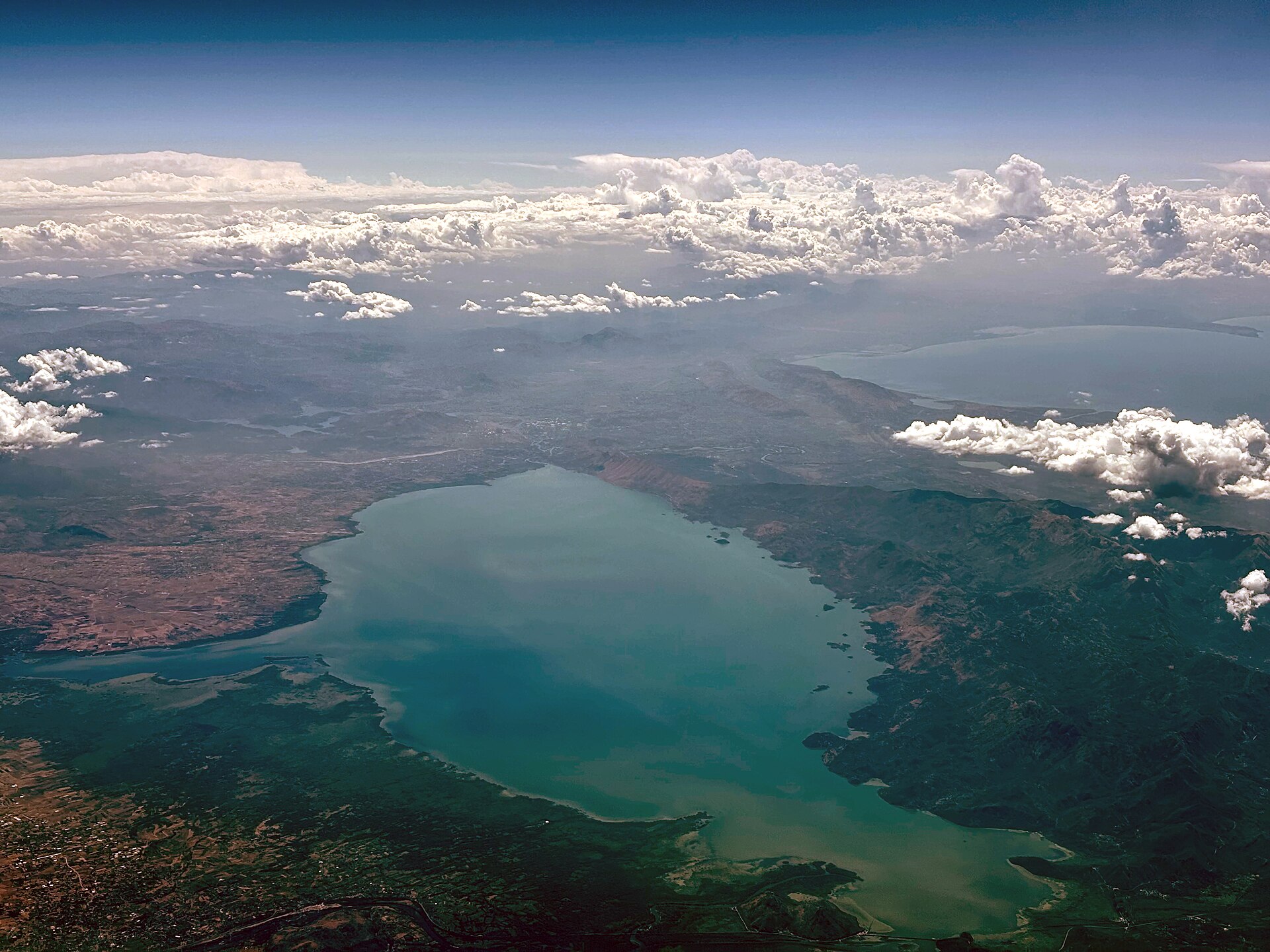
Lake Shkodër is one of those rare places where nature seems to have gathered everything to remind you of its quiet, enduring power. Straddling the border between Albania and Montenegro, it’s the largest lake in the Balkans, stretching across nearly six hundred square kilometers at its fullest. But its size isn’t what makes it special—it’s the way the lake shifts with the seasons, the light, and even the mood of those who visit. One moment, the water is a vast, shimmering mirror under the sun; the next, it darkens with the approach of a storm, its surface rippling with an almost restless energy. It doesn’t just sit there—it breathes, changes, and demands to be noticed.
The history of Lake Shkodër runs deep, woven into the land long before modern borders were drawn. Archaeologists have uncovered traces of ancient settlements along its shores, some dating back thousands of years, while medieval chronicles describe it as a vital crossroads between the Adriatic and the Balkan interior. Over the centuries, Illyrians, Romans, Byzantines, Venetians, and Ottomans all left their mark here, each empire claiming the lake for its strategic value. Yet despite the passage of time, the water remains largely unchanged. The most visible remnant of the past is Rozafa Fortress, perched above the city of Shkodër, its stone walls watching over the lake as they have for centuries. But the real legacy isn’t in the ruins—it’s in the water itself, still reflecting the same skies that have arched over it for generations.
The lake’s character is shaped by the rivers that feed it, particularly the Morača and the Drin, which carry not just water but sediment, giving the lake its shifting hues. Some days, the water is clear enough to see the bottom near the shore; other times, it turns a murky green, thick with silt. This constant transformation makes the lake feel alive—expanding during the rainy season, flooding the surrounding meadows, then receding in the summer to reveal mudflats and hidden channels. The people who live along its shores have adapted to these rhythms for centuries, their lives tied to the lake’s ebb and flow. Fields are planted when the water retreats, fishing seasons follow the migration of fish, and even the layout of villages shifts with the changing shoreline.
The landscape around Lake Shkodër is as varied as the water itself. Wetlands thick with reeds give way to rocky outcrops and sandy beaches, while patches of dense scrub cling to the hillsides. But the lake’s greatest natural treasure is its birdlife. It’s one of Europe’s most important ornithological sites, a wintering ground for thousands of migratory birds—pelicans, herons, cormorants, and ducks crowding the shallows. For birdwatchers, it’s a place of quiet excitement, where a sudden flurry of wings or a distant call can make the heart race. Even in summer, when the crowds thin, the lake remains a haven for those who prefer solitude, whether they’re swimming in its cool waters, paddling a kayak through its hidden channels, or simply sitting on the shore with a fishing line.
Shkodër, the city on the lake’s northwestern edge, serves as the main gateway for visitors. Unlike Albania’s more tourist-heavy destinations, it feels lived-in and unpolished, with a rhythm all its own. The old town’s narrow streets wind past Ottoman-era houses, small cafés serving thick, bitter coffee, and markets where fishermen sell their morning catch straight from the boats. There’s no sense of performance here—just the quiet hum of daily life. From the city, the lake is easily accessible by bus, taxi, or even on foot if you’re up for a long walk. Beyond Shkodër, the shoreline is dotted with villages where time moves slower: women wash laundry in the shallows, children play on weathered docks, and old men mend nets in the shade of fig trees.
Fishing has always been at the heart of life around Lake Shkodër. The waters teem with carp, eel, and trout, and local fishermen know every current, every hidden cove. Some offer boat tours, sharing stories of techniques passed down through generations—how to read the water, when to cast the nets, which seasons bring the best catch. But fishing here is more than a livelihood; it’s a tradition, a way of connecting with the past. During spawning season, restrictions are placed on fishing to protect the lake’s delicate balance, a reminder that even here, where nature feels untamed, there are rules older than any written law.
Despite its beauty, Lake Shkodër has largely escaped the kind of mass tourism that transforms other natural wonders into crowded attractions. There are no luxury resorts lining the shore, no souvenir stands hawking trinkets, no tour buses idling in parking lots. What you’ll find instead is space—wide, open, and quiet. Travelers who make the journey often say it’s not the views that stay with them, but the feeling of the place: the way the wind carries the scent of wet earth and salt, the way the light softens as the sun sinks behind the mountains, the way the silence settles in like an old friend. It’s the kind of place that doesn’t try to impress you; it simply exists, and that’s enough.
In recent years, both Albania and Montenegro have taken steps to protect the lake, designating parts of it as a national park. The move was necessary—like many natural sites, Lake Shkodër faces threats from pollution, illegal construction, and overfishing. But for now, it retains much of its wildness, a quality that grows rarer with each passing year. That’s part of what makes it special: the sense that you’ve stumbled upon something untouched, a place where nature still sets the rules.
If you ever find yourself in Albania, take the time to visit Lake Shkodër. It’s not the kind of place you see on postcards or in travel brochures. There are no grand monuments, no carefully curated experiences—just water, sky, and the quiet persistence of the land. You might spend an afternoon watching birds skim the surface, or an evening sitting by a fire on the shore, listening to the lap of waves against the rocks. And if you’re lucky, you’ll leave with the feeling that you’ve glimpsed something timeless, something that doesn’t need an audience to be beautiful.