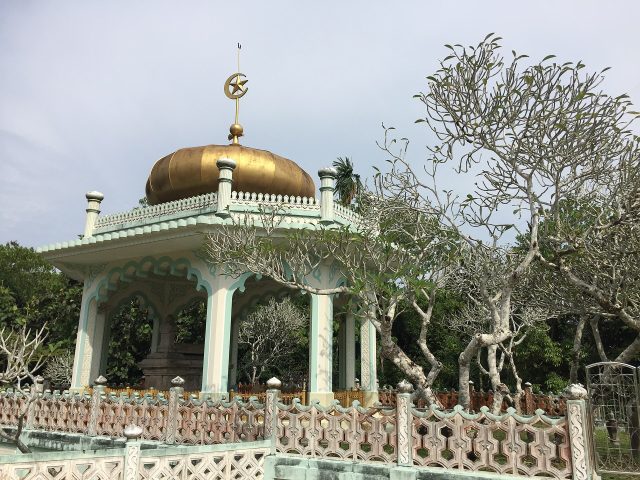
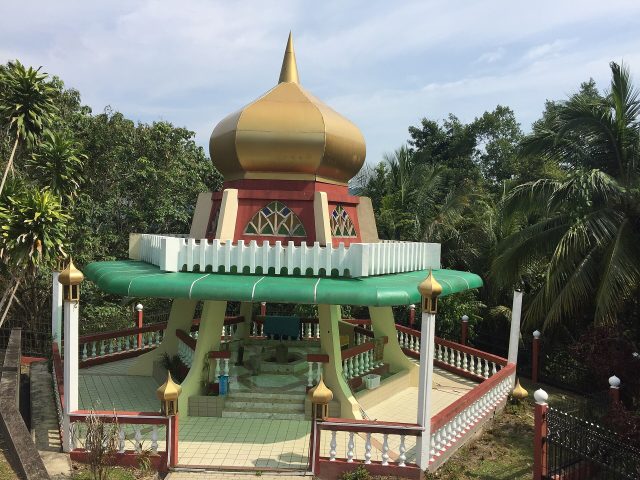
Brunei Museum is one of those rare places where history isn’t just displayed behind glass but feels alive, as if the past lingers in the air. Set along the Brunei River in Kota Batu, just outside the capital of Bandar Seri Begawan, the museum occupies a site that was once the heart of the ancient sultanate. The building itself is part of the story—its architecture blends traditional Malay design with modern elements, creating a structure that feels both timeless and rooted in its surroundings. There’s no grandiosity here, just a quiet respect for the heritage it preserves, evident in every detail, from the curves of the roof to the way the light filters through the galleries.
The museum’s origins trace back to the mid-20th century, when Brunei began to reflect on how to safeguard its cultural identity amid rapid change. Early collections were assembled in the 1960s, but the museum as it stands today opened in 1972, becoming the country’s first major cultural institution. Over the decades, it has grown into a comprehensive archive of Brunei’s civilization, housing artifacts that span millennia—from prehistoric tools to relics of the sultanate’s golden age. The exhibits include items unearthed during local excavations, documents that reveal Brunei’s historical trade connections, and even personal belongings of past rulers, each piece offering a glimpse into the lives of those who shaped the nation.
One of the most compelling sections is the archaeology hall, where artifacts from Brunei’s pre-Islamic era are displayed. Pottery shards, stone tools, and jewelry paint a picture of daily life centuries ago, while fragments of Chinese ceramics hint at the region’s early trade links with the outside world. Among the highlights are relics tied to the ancient kingdom of Puni, which flourished in Brunei’s territory during the early centuries of the Common Era. These objects, though modest in appearance, carry the weight of a time when the land was just beginning to take shape as a cultural and political force.
Islam’s arrival in the 14th century transformed Brunei, and the museum dedicates an entire gallery to this pivotal chapter. Here, visitors can see rare copies of the Quran, centuries-old manuscripts, and intricate mosque decorations that reflect the deep spiritual and artistic traditions of the region. The collection of calligraphic works is particularly striking, showcasing how the written word became a sacred art form in Brunei. The exhibits also explore Islam’s role in shaping the sultanate’s governance, education, and social customs, illustrating how faith became woven into the fabric of daily life.
The museum’s maritime history section offers a vivid portrayal of Brunei’s golden age between the 15th and 17th centuries, when the sultanate dominated trade routes across Southeast Asia. Maps, navigational instruments, and weapons from this era tell the story of a nation that once rivaled European powers in influence. Among the most fascinating exhibits are those linked to Sultan Bolkiah, under whose rule Brunei reached its zenith. Copies of treaties with foreign powers, including early European explorers, reveal the strategic alliances and conflicts that defined this period. The displays don’t just chronicle events—they evoke the ambition and sophistication of a kingdom that once commanded the seas.
For those interested in Brunei’s natural world, the natural history gallery provides a window into the country’s diverse ecosystems. The exhibits include taxidermy specimens of native wildlife, from orangutans to rare birds, as well as mineral samples that highlight the region’s geological wealth. This section underscores how Brunei’s environment has shaped its culture, from the resources that fueled early trade to the traditions that emerged from life in the rainforest and along the coast. It’s a reminder that the land itself has always been a silent but essential part of the nation’s story.
The museum also celebrates Brunei’s craftsmanship, with a collection that showcases the skill of local artisans. Intricately woven *songket* textiles, adorned with gold and silver threads, share space with silverwork, bronze castings, and carved wooden panels that once graced palaces and mosques. The traditional attire on display, including garments worn by the royal family, is a testament to the meticulous artistry that defines Brunei’s aesthetic traditions. These pieces aren’t just decorative—they carry the stories of generations who perfected these crafts, passing down techniques that remain alive today.
What makes Brunei Museum special is its ability to make history feel personal. There’s no rush here, no crowds jostling for a glimpse of the exhibits. Instead, the space invites visitors to linger, to absorb the details, and to piece together the narratives that have shaped Brunei. It’s a place where the past isn’t just observed but experienced, where each artifact, no matter how small, contributes to a larger understanding of the nation’s identity.
For travelers who want to see beyond Brunei’s modern wealth and gleaming skyscrapers, the museum offers a deeper perspective. It reveals why traditions are so fiercely preserved, why Islam remains central to daily life, and how the country balances its ancient heritage with contemporary realities. The museum doesn’t overwhelm with spectacle; instead, it engages quietly, allowing visitors to draw their own connections and conclusions. In doing so, it captures the essence of Brunei—not as a place frozen in time, but as a living culture that continues to evolve while honoring its roots.