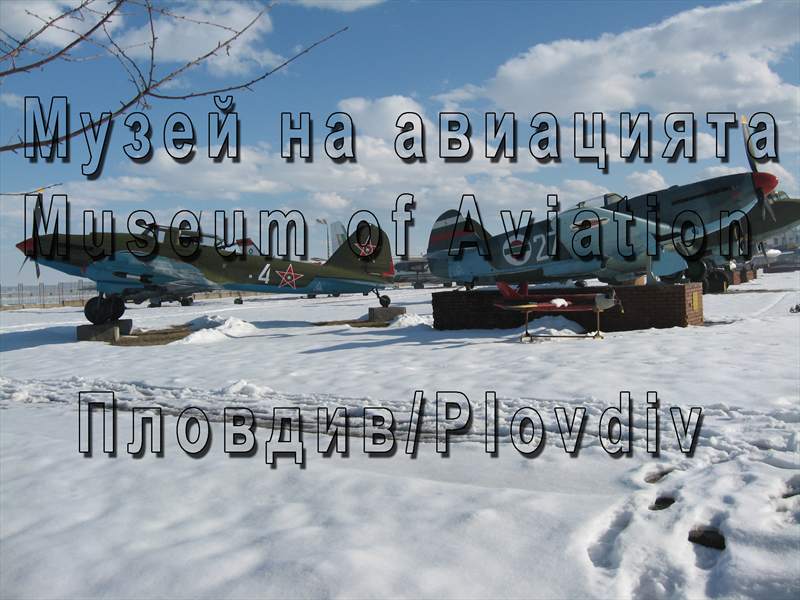
Plovdiv’s Aviation Museum is one of those rare places where history isn’t confined to glass cases or dusty archives. Instead, it unfolds in the open air, among real aircraft that have cut through the skies and weathered decades of service. Located on the grounds of Krumovo Air Base, the museum preserves a collection of planes and helicopters that tell the story of Bulgarian aviation—both its military past and its role in global aeronautics. There’s no hushed reverence here; the exhibits stand exposed to the elements, their metal bodies still bearing the marks of use, as if they’ve just returned from a flight.
Krumovo Air Base itself is a piece of Bulgaria’s aviation history. Established in the mid-20th century, it once served as a key strategic site, home to fighter jets and transport aircraft that patrolled the skies during the Cold War. Today, the runways aren’t always empty. Occasionally, the base hosts airshows or demonstration flights, filling the sky above Plovdiv with the roar of engines, a sound that echoes the base’s active past. For a few hours, the quiet countryside transforms into a stage for aviation enthusiasts and curious onlookers alike.
The museum’s collection spans several decades, beginning with the post-war era. Among the most striking exhibits are the Soviet MiGs, which formed the backbone of Bulgaria’s air force during the Cold War. These sleek, angular jets stand alongside more modern aircraft, like the L-39 Albatros, a training jet that still sees use in some air forces today. Helicopters are also well-represented, including the formidable Mi-24, nicknamed the "Crocodile" for its aggressive silhouette. Each machine here carries its own story—whether it’s a routine patrol, a training mission, or years of service guarding the Balkan skies.
Not all the aircraft on display are military. The museum also features civilian planes, a reminder that aviation has always been about more than just warfare. Small passenger liners and cargo planes, once used to ferry people and goods across Bulgaria, add a human dimension to the collection. Behind these aircraft lie the stories of pilots, mechanics, and passengers for whom the sky was a workplace, not a battleground. Their presence softens the museum’s military focus, offering a glimpse into the everyday side of flight.
Beyond the aircraft, the museum houses smaller but equally fascinating exhibits. In modest pavilions and under protective canopies, visitors can see aviation engines, cockpit instruments, and pilot uniforms, all of which help paint a picture of what life in the air force was like. Photographs and documents trace the evolution of Bulgarian aviation, from its early 20th-century beginnings to modern-day international exercises. These artifacts, though less dramatic than the planes themselves, reveal aviation as more than just machinery—it’s a culture, a profession, and a way of life.
Visiting the museum is as much about the atmosphere as it is about the exhibits. Krumovo Air Base sits a short distance from Plovdiv, surrounded by rolling hills and open fields where the only sounds are birdsong and the distant hum of the city. The museum doesn’t feel like a traditional exhibition space. There are no rigid tours or off-limits signs; visitors are free to wander among the aircraft, peer into cockpits, and pose for photos against the fuselages. For aviation enthusiasts, it’s a rare chance to get up close to machines that are usually hidden behind military fences.
The museum isn’t just a relic of the past. It remains a living space, hosting events that bridge history and the present. Veterans of Bulgaria’s air force occasionally give talks, sharing their experiences with new generations. Airshows and temporary exhibitions sometimes bring modern aircraft to the base, briefly expanding the collection with machines that haven’t yet become history. These events draw not only aviation buffs but also casual visitors, offering a glimpse into a world that most people only see from the ground.
For Plovdiv, the Aviation Museum is more than just a tourist attraction—it’s a piece of the city’s identity. Known for its ancient ruins and rich cultural heritage, Plovdiv here reveals another side: a connection to modernity and technology. Aviation has always symbolized progress, and the museum serves as a reminder that Bulgaria, despite its small size, has played a role in global developments, from the Cold War to the rise of civilian air travel.
A visit to the museum is worth it not just for the aircraft, but for the way it weaves together technology and history. There’s no grandeur or embellishment here—just the raw, unfiltered presence of machines that have served their purpose. Whether it’s the worn fuselage of a MiG or a meticulously restored engine, each exhibit speaks for itself. This is a place for those who appreciate authenticity, who aren’t afraid to ask how the world around them came to be. And, of course, for anyone who has ever looked up at the sky and dreamed of flying.