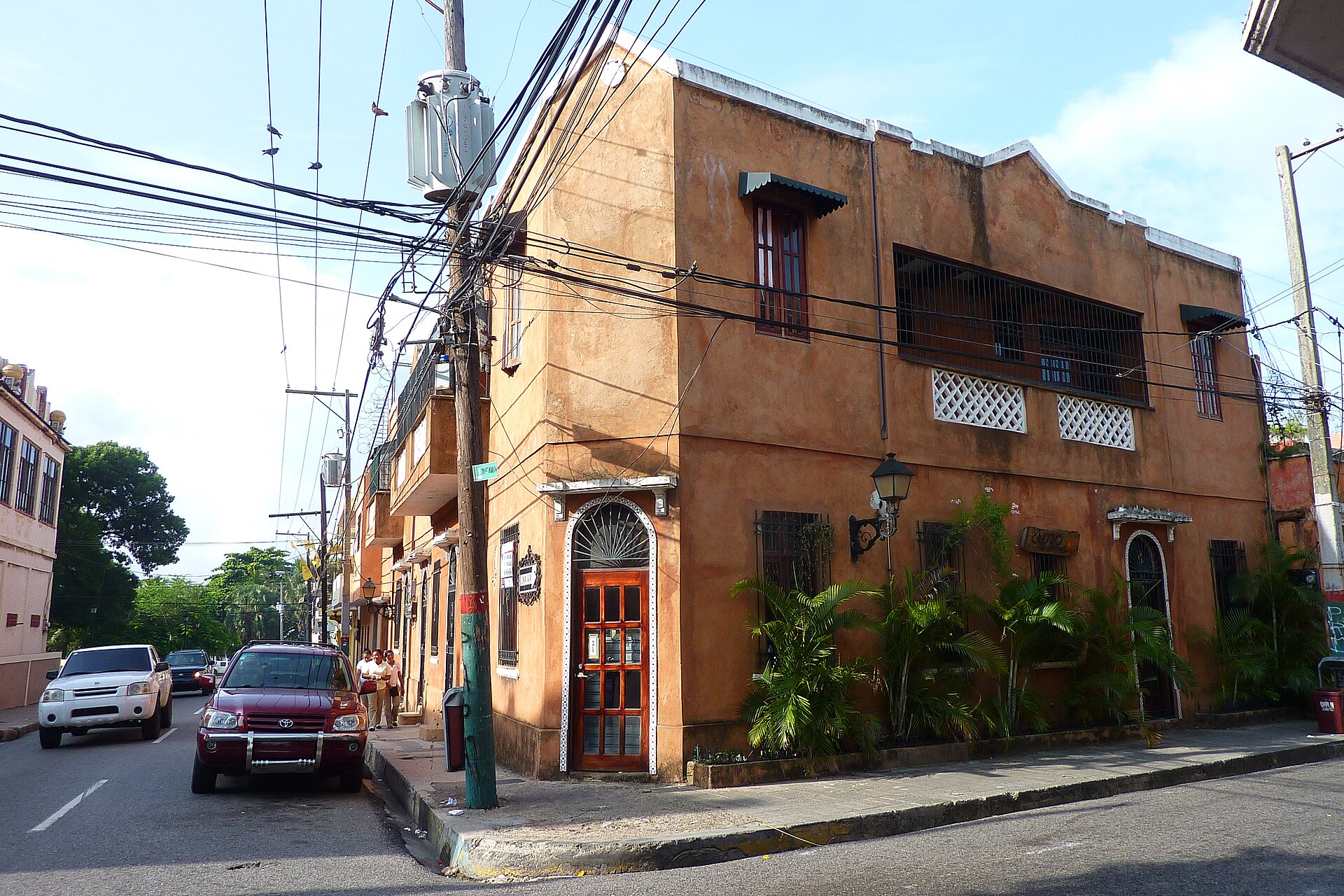
The Museum of Dominican Resistance stands in the heart of Santo Domingo’s Colonial City, where the weight of history presses against the cobblestone streets. This is not a place that merely displays artifacts; it preserves the voices of those who fought against oppression, their stories etched into the walls of a building that has seen centuries of both grandeur and suffering. The museum occupies a former colonial mansion, its thick wooden beams and wrought-iron balconies once part of a world of privilege, now repurposed to bear witness to a darker chapter of the nation’s past.
The architecture itself tells a story. The high ceilings and open courtyards, designed for lavish gatherings in another era, now frame exhibits that speak of struggle and sacrifice. The house has changed hands many times, but its most haunting role came during the dictatorship of Rafael Trujillo, when its rooms may have hosted secret meetings or harbored those fleeing persecution. The building’s transformation from a symbol of power to a monument of defiance mirrors the country’s own journey—a shift from silence to remembrance.
The museum’s permanent collection focuses on the thirty-one years of Trujillo’s rule, a period marked by brutal repression and state-sanctioned violence. There are no attempts here to soften the truth. Instead, the exhibits lay bare the mechanisms of fear: personal letters smuggled out of prisons, the bloodstained clothes of the executed, and the crude tools of torture. Photographs line the walls, faces of the disappeared staring back at visitors, their stories preserved in handwritten notes and recorded testimonies. One display features the belongings of the Mirabal sisters, three women whose murder in 1960 became a turning point in the resistance. Their purses, shoes, and even the car they were driving when they were ambushed are arranged as if they might return at any moment.
A particularly unsettling section recreates the conditions of the regime’s prisons. Narrow cells, damp and dimly lit, are accompanied by audio recordings of screams and whispered pleas. The effect is deliberate—not to sensationalize, but to convey the suffocating reality of life under surveillance and terror. Nearby, a wall of names lists those who were killed or vanished, a stark reminder of how easily lives were erased. For many visitors, especially those with personal ties to the era, this space is a place of reckoning. Some pause in front of a photograph, recognizing a relative or a neighbor, while others stand in silence, absorbing the weight of what was lost.
Beyond the exhibits on Trujillo’s dictatorship, the museum also examines the broader history of resistance in the Dominican Republic. Displays trace the efforts of underground movements, student protests, and even military dissidents who risked everything to challenge authority. One exhibit highlights the role of women in the struggle, from the Mirabal sisters to lesser-known activists who organized in secret. Another focuses on the international pressure that eventually helped bring down the regime, including the role of foreign journalists and diplomats who exposed its crimes. The museum makes clear that resistance was never a single movement, but a patchwork of courageous acts, some large, some almost invisible.
The museum doesn’t exist solely in the past. Temporary exhibits often tackle contemporary issues, from human rights abuses in other parts of the world to the challenges facing the Dominican Republic today. Recent displays have explored the legacy of colonialism, the impact of climate change on vulnerable communities, and the ongoing fight for press freedom. By connecting history to the present, the museum becomes more than a memorial—it’s a space for dialogue, a place where visitors are asked to consider what resistance means in their own time.
For Dominicans, the museum is deeply personal. Many come to honor family members who were imprisoned, exiled, or killed. Some leave flowers or notes beside the photographs of the disappeared, a small act of remembrance in a place that demands it. For tourists, the museum offers a different perspective on the country, one that goes beyond the resorts and beaches. It’s a reminder that the Dominican Republic’s identity is shaped not just by its natural beauty, but by the resilience of its people.
The atmosphere inside is quiet, almost reverent. Visitors move slowly, reading the placards, listening to the audio guides, or simply standing in front of an exhibit, lost in thought. There are no crowds here, no hurried selfies—just the occasional sound of someone exhaling sharply, or the muffled sob of a person recognizing a name. The museum doesn’t offer easy answers, nor does it try to. Instead, it asks visitors to sit with discomfort, to acknowledge the cost of freedom, and to carry that awareness with them when they leave.
In the end, the Museum of Dominican Resistance is more than a collection of objects. It’s a testament to the idea that history is not just something that happens to people, but something they shape, even in the darkest of times. The stories here are difficult, but they are also necessary. They remind us that silence is a choice, and that remembering is an act of defiance in itself. For those who walk through its doors, the museum doesn’t just recount the past—it challenges them to consider what they would have done, and what they will do now.